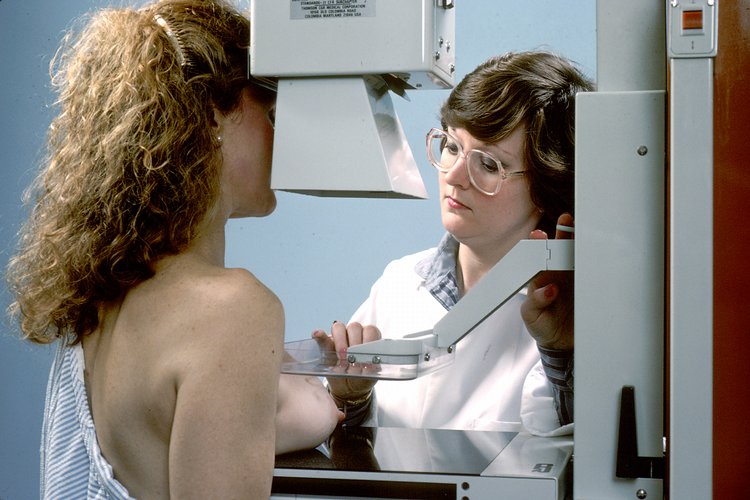
Nearly half of all women ages 40 and older have dense breast tissue, a condition linked to higher breast cancer risk and one that can make tumors harder to detect on mammograms. A new clinical trial published in a medical journal and reported by Healthline may offer a new preventive option with a more manageable side effect profile than the current standard treatment.
The trial tested low doses of a drug called (Z)-endoxifen, a metabolite of tamoxifen, the well-established breast cancer prevention medication. The study, known as the KARISMA Endoxifen trial, focused on whether (Z)-endoxifen could reduce mammographic breast density with fewer of the troublesome side effects that lead many women to stop taking tamoxifen.
The trial was a double-blind, randomized, placebo-controlled phase II study. Researchers recruited 240 healthy premenopausal women between the ages of 40 and 55 from Sweden's national breast cancer screening program between December 2021 and November 2023. To qualify, participants needed to have regular menstrual cycles or confirmed premenopausal status via blood tests, and a baseline mammogram showing measurable breast density. Women taking medications that could interfere with endoxifen metabolism were excluded.
Participants were randomly divided into three groups and given daily oral capsules for six months: a placebo, 1 milligram of (Z)-endoxifen, or 2 milligrams of (Z)-endoxifen. Neither the researchers nor the participants knew who was receiving which treatment until the trial ended. Breast density was measured using full-field digital mammograms taken at the start, at three months, and at six months. A specialized automated measurement method called STRATUS assessed breast density area in square centimeters.
Safety was tracked throughout the study by monitoring vital signs, blood chemistry, and side effects reported by participants through a digital application and questionnaires. Tolerability was evaluated using the Breast Cancer Prevention Trial Eight Symptom Scale, a validated symptom questionnaire, along with additional questions specific to tamoxifen-related symptoms drawn from previous research.
The trial's primary goal was to determine whether either dose of (Z)-endoxifen outperformed placebo in reducing mammographic breast density, which researchers used as a proxy measure for breast cancer risk reduction. Statistical analysis compared relative changes in breast density across the three groups after adjusting for baseline values.
Results showed that (Z)-endoxifen reduced breast density and did so with fewer side effects compared to tamoxifen. Experts told Healthline that if further research confirms these findings, (Z)-endoxifen could help increase patient compliance with preventive treatment and improve long-term outcomes for women at elevated breast cancer risk. Larger and longer trials would be needed before the drug could move toward regulatory approval or broader clinical use.