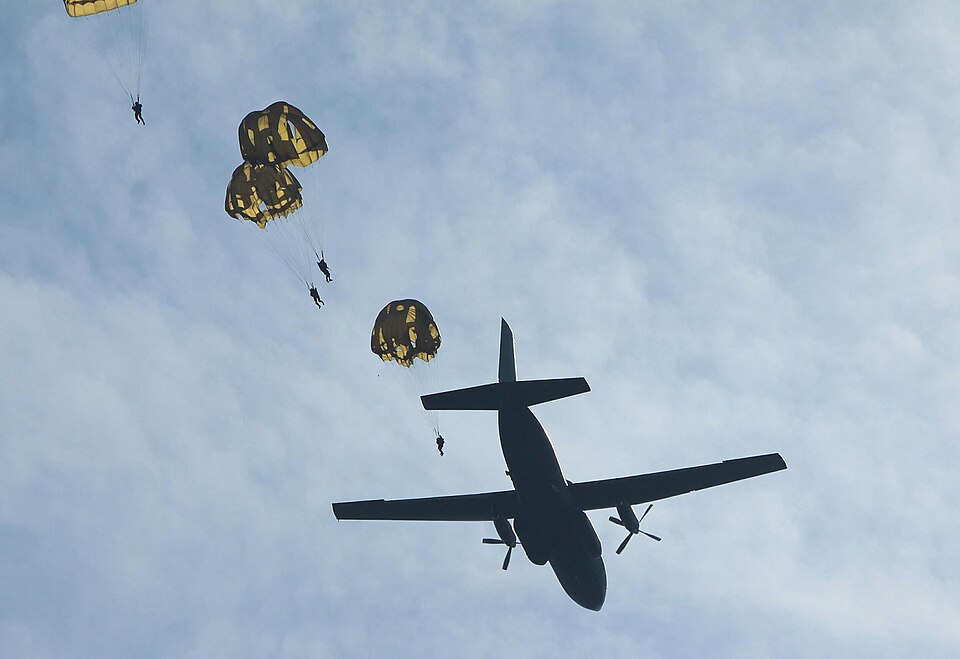
A military medical team parachuted onto Tristan da Cunha to treat residents infected with hantavirus, according to a report by the Daily Express US, marking an unusual emergency response to an outbreak on one of the most remote inhabited places on the planet.
Tristan da Cunha is a British Overseas Territory located in the South Atlantic Ocean, roughly 2,400 kilometers from the nearest landmass. The island has no airport, making it extraordinarily difficult to reach quickly in any kind of emergency. Its population numbers only a few hundred people.
Hantavirus is a serious illness transmitted primarily through contact with infected rodents or their droppings. In some cases it can progress to Hantavirus Pulmonary Syndrome, a severe and potentially fatal respiratory condition. There is no specific antiviral treatment approved for hantavirus, meaning medical care is primarily supportive.
The decision to deploy a military team by parachute reflects the extreme logistical challenges posed by the island's location. Normal routes to Tristan da Cunha involve a voyage by ship from South Africa that takes approximately a week. In a medical emergency, that timeline is not workable.
The Daily Express US reported that the Army parachuted the medical team onto the island to assist the infected residents. The report did not specify how many people had been infected or the current condition of those receiving treatment.
Hantavirus outbreaks are uncommon but not unheard of in isolated or rural communities where contact with wild rodent populations is more likely. The conditions on Tristan da Cunha, including its small and tightly clustered population, could make managing an outbreak more complex if the virus were to spread further.
The operation drew attention both because of the dramatic nature of the military parachute deployment and because of the island's reputation as one of the most difficult places on Earth to reach. Emergency planners and global health observers have long pointed to Tristan da Cunha as a test case for how to deliver urgent medical care to populations that are geographically cut off from standard health infrastructure.
The British military's ability to respond to the outbreak by air, even given the distance involved, was seen as a significant logistical undertaking. Further details about the number of personnel deployed, the equipment they carried, and the current status of the infected residents had not been fully reported at the time of publication.