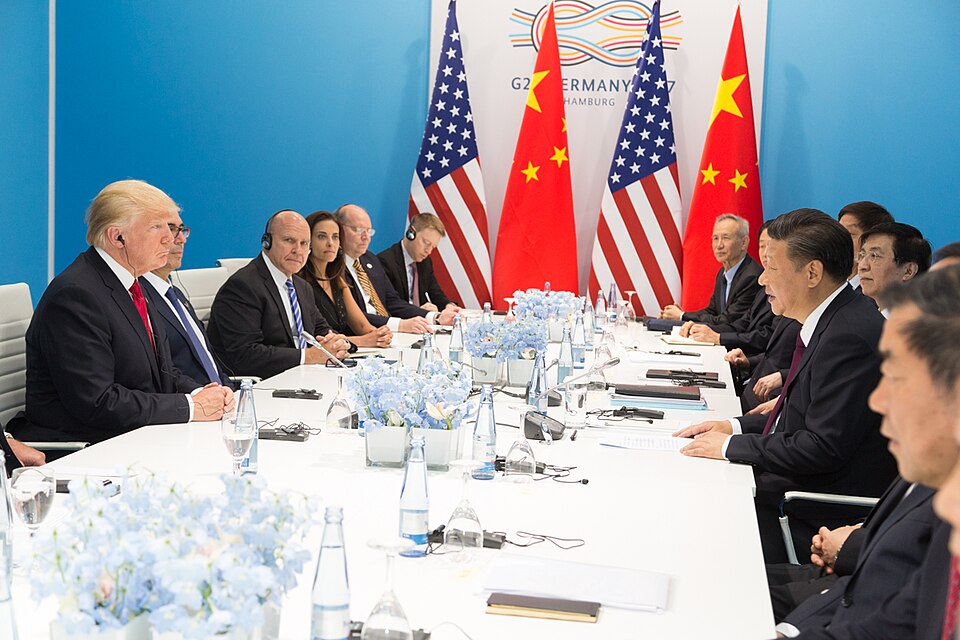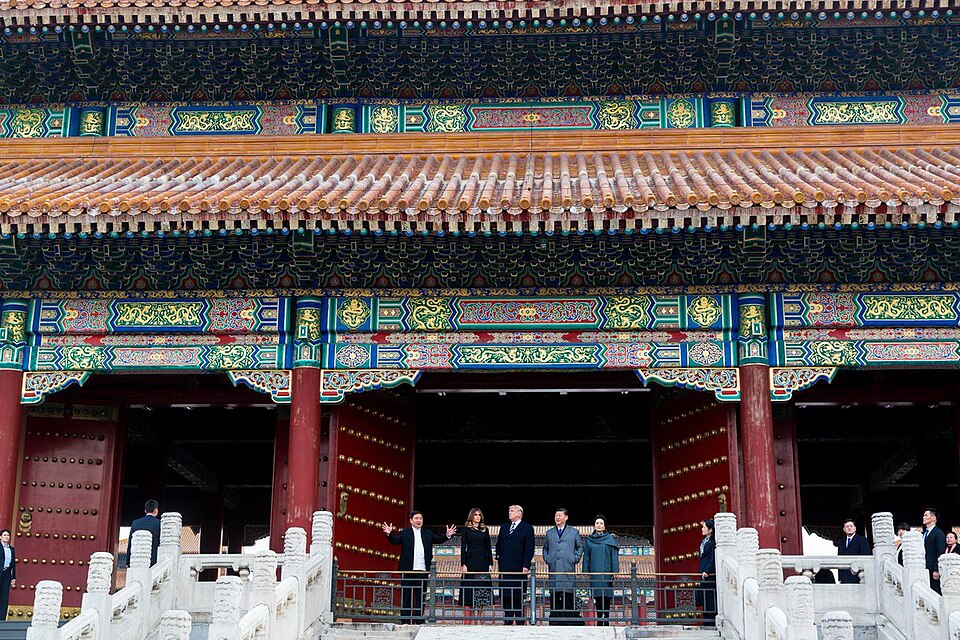
U.S. President Donald Trump is set to travel to China from May 13 to 15 for a meeting with President Xi Jinping, Beijing has confirmed. It will be the first visit to China by a sitting U.S. president in nearly a decade and comes at a critical moment for the relationship between the world's two largest economies.
Executives from some of America's biggest companies, including Boeing, Citigroup and Qualcomm, are expected to travel with Trump, potentially to make deals with Chinese firms, according to the BBC. The visit will also be a key test of the fragile trade truce between Washington and Beijing that has been in place since Trump and Xi's last face-to-face meeting in South Korea in October.
The trade relationship between the two countries has been strained for years. In 2018, during Trump's first term, he announced tariffs on $250 billion of Chinese imports, a move many analysts consider the start of the trade war. In April 2025, Trump unveiled sweeping import taxes on countries across the world, triggering a tit-for-tat exchange that pushed tariffs between the U.S. and China above 100%.
Policy researcher Ning Leng from Georgetown University said China was caught off guard by the initial tariffs. "It was the first time they dealt with Trump seriously, and they probably did not expect him to go ahead with it," Ning said. At the time, China was heavily reliant on trade with the United States, and American buyers turning away posed a direct threat to Chinese manufacturing jobs. "It's harder for one country to withstand a trade war with another that it has trade surplus with," Ning said.
When President Joe Biden took office in 2021, he kept Trump's tariffs in place, sharing a belief that the U.S. needed to limit its rival's growth in sectors like technology. His administration imposed restrictions on Chinese firms including Huawei and placed TikTok's U.S. operations under scrutiny, eventually separating them from their Chinese parent company. Chinese electric vehicles were effectively blocked from the U.S. market after Biden imposed heavy tariffs.
The tensions have added to economic pressures China was already facing before the trade war began, including sluggish domestic consumption, high unemployment and a prolonged property crisis. Exports to the United States had provided relief for Chinese jobs, but the tariff conflict put that lifeline at risk.
Trump's upcoming visit comes as both sides have continued to issue threats despite the October truce. With major American corporate leaders in tow and a series of unresolved trade disputes still on the table, the three-day trip is set to be closely watched by governments and markets worldwide.