The Minnesota Senate passed a bill Monday that would prohibit federal immigration agents from concealing their identities during enforcement operations, with some exceptions, and create a legal path for residents to sue over alleged constitutional violations.
The bill passed on a 34-33 party-line vote. It now moves to the Minnesota House, where Democrats and Republicans hold an equal number of seats, giving the legislation an uncertain path forward.
Beyond the mask prohibition, the bill instructs schools, day cares, and health care facilities to deny access to agents seeking to conduct civil immigration enforcement without a signed judicial warrant, with some exceptions. It also prohibits certain civil immigration arrests of people attending court proceedings. Additionally, it gives state officials the authority to investigate deaths involving federal agents' use of force and creates penalties or civil liability in certain cases when someone fails to render aid after a shooting.
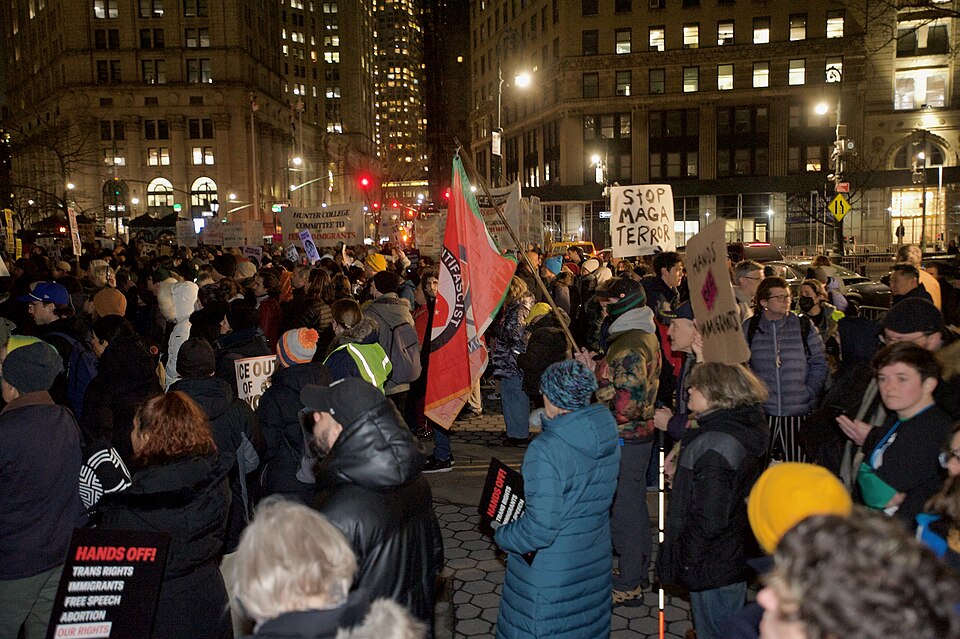
The legislation follows the fatal shootings of two US citizens in separate incidents in January during immigration raids in Minneapolis, which triggered nationwide protests. Democratic Sen. Omar Fateh, a co-sponsor of the bill, said federal raids in Minnesota showed a "show of force against immigrant communities," according to the Minnesota Star Tribune. "They said agents were here to enforce law and order," Fateh said. "Again, they lied. They broke down doors without a warrant, denied people due process, assaulted, arrested, tear-gassed and shot peaceful people."
Democratic Sen. Ron Latz, another co-sponsor, said the bill was aimed at accountability. "What we endured was one of the darkest periods in American history when the government ... sent masked men — armed, untrained and unrestrained — to terrorize our communities," Latz said, according to the Minnesota Star Tribune.
Republicans accused Democrats of using inflammatory language and argued that Minnesota officials should be cooperating with Immigration and Customs Enforcement rather than restricting its operations.
Minnesota is not acting alone. New York lawmakers reached an agreement with Gov. Kathy Hochul on budget provisions that limit state and local cooperation with ICE and restrict masked agents and warrantless searches of homes, schools, and other locations. California lawmakers also passed a mask ban, though similar restrictions in that state have faced federal court challenges, including rulings blocking parts of the law. New Jersey and Massachusetts have proposed comparable measures.