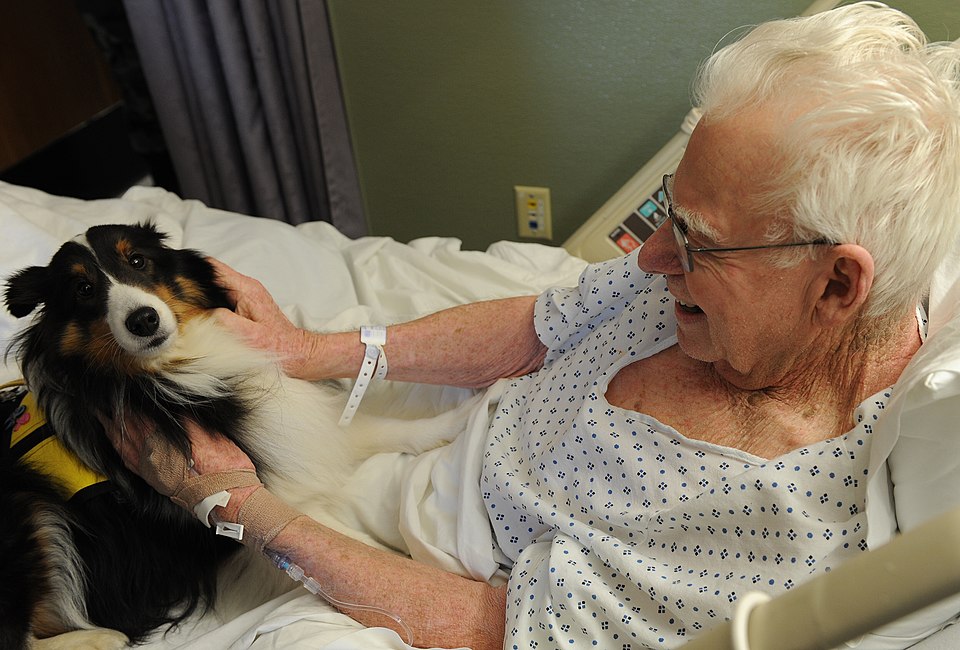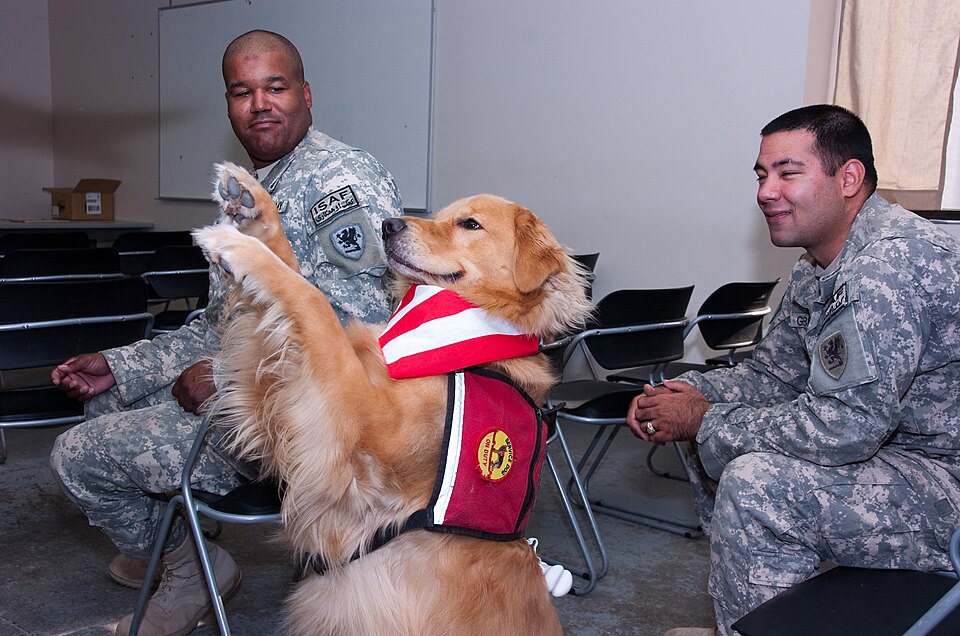
The United States Navy has begun deploying therapy dogs aboard warships as part of an effort to support the mental health of sailors during long deployments at sea, according to a report by KOAA News 5. The program represents a notable shift in how the military approaches psychological wellness for service members who spend extended periods away from family and familiar surroundings.
Therapy dogs have long been used in hospitals, schools, and veteran care centers, but placing them on active warships introduces a new environment for animal-assisted support. Life at sea can be isolating, with sailors confined to tight quarters for weeks or months at a time, limited access to traditional mental health resources, and the ongoing stress of military operations.
The Navy's decision to bring therapy animals onto ships reflects broader efforts across the armed forces to treat mental health with the same seriousness as physical health. Military officials have increasingly acknowledged that stress, anxiety, and depression among service members can affect both individual well-being and overall unit readiness.
Therapy dogs are trained to provide comfort and reduce stress through interaction with people. Research in civilian settings has shown that time spent with therapy animals can lower cortisol levels, reduce blood pressure, and improve mood. Whether those benefits translate effectively to the unique conditions of life aboard a warship remains an area of ongoing interest.
The deployment is part of a wider conversation within the military about how to provide accessible mental health support in environments where traditional services, such as in-person counseling appointments or quiet private spaces, are difficult to provide. A sailor on a destroyer in the middle of the Pacific has far fewer options than someone stationed at a land base with a full behavioral health clinic nearby.
Details about which ships currently carry therapy dogs, how many animals are involved, and how the program is being evaluated were not immediately available. The Navy has not announced whether the effort will be expanded fleet-wide or remain limited to select vessels.
Mental health challenges among active-duty military personnel have drawn increased attention in recent years. Suicide rates within the armed forces have remained a persistent concern, and the Pentagon has pushed branches to develop more creative and accessible ways to reach service members before crises develop.
The therapy dog program at sea is one of several unconventional approaches being tested or considered across different branches of the military. Whether this initiative becomes a lasting fixture of Navy life will likely depend on feedback from sailors and commanders who observe its effects firsthand.