Inflation hit 3.8 percent in April, the highest annual rate since May 2023, driven by energy costs tied to the Iran war, according to CBS News. The Consumer Price Index rose 0.6 percent from March to April alone, with energy prices accounting for 40 percent of the total increase.
Gasoline prices jumped 28.4 percent from a year earlier on an annual basis. Core inflation, which strips out food and energy, rose 2.8 percent year over year, indicating that price pressures have spread beyond fuel.
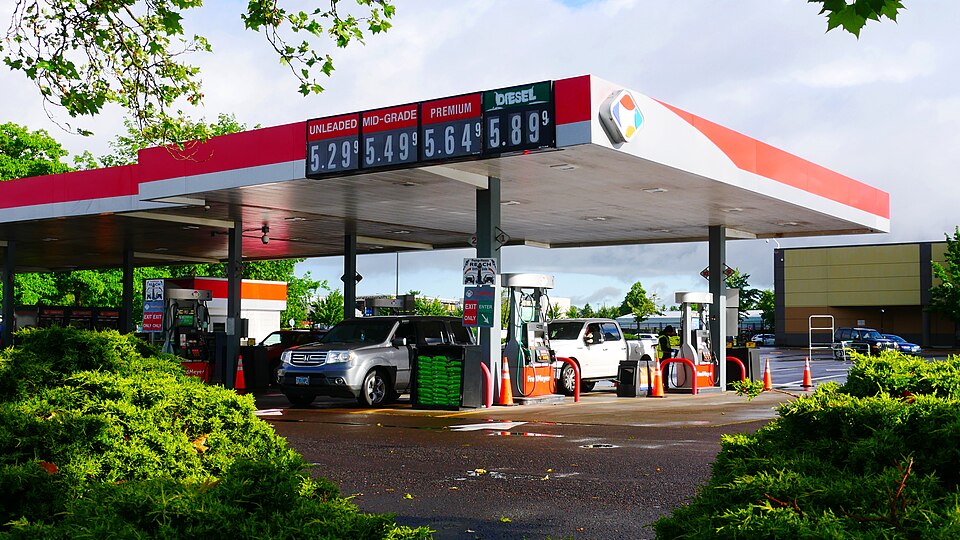
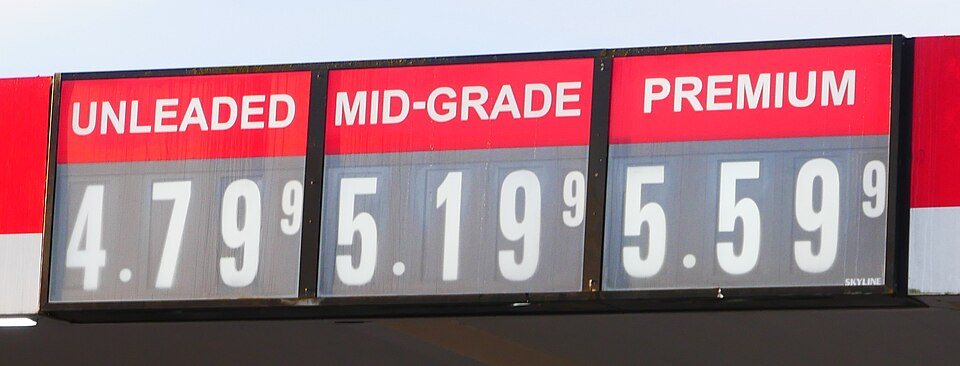
The average price of a gallon of gas now stands at $4.52, up $1.54 per gallon since the war began on February 28, according to AAA data reported by ABC News. That amounts to a nearly 52 percent increase in roughly two and a half months. A Chevron station in Los Angeles drew widespread attention in recent weeks for charging $8.71 per gallon, becoming a focal point in the broader debate over fuel costs.
The spike in prices has drawn scrutiny to name-brand gas stations, which charge about 6 cents more per gallon on average than unbranded competitors, according to data from the Oil Price Information Service, a Dow Jones company. That gap held roughly steady compared to before the war began. In California, the disparity runs considerably higher. A 2024 analysis by the California Energy Commission found that Chevron stations in the state averaged 48 cents more per gallon than unbranded stations, with Shell, 76, and Arco following as the most expensive branded options.
Some analysts attribute the higher branded prices to additional costs such as proprietary fuel additives, marketing budgets, and fees stations pay for guaranteed fuel access. Others, including a California state watchdog, have pointed to the market dominance of a small number of companies as a contributing factor.
Several major oil companies have reported sharp profit gains during the war. British Petroleum, Valero, and Marathon Petroleum all reported soaring profits, though Chevron and ExxonMobil saw profits decline, partly due to one-time paper losses from financial hedges designed to protect against a potential price drop.
Patrick Penfield, a professor of supply chain practice at Syracuse University, said the surge in prices invites a broader look at what consumers are paying at the pump.
"When you see such big price increases for gasoline, everything should be looked at," Penfield said.
The cost of the Iran war itself has grown to $29 billion, acting Pentagon comptroller Jules Hurst said in congressional testimony Tuesday. Secretary of Defense Pete Hegseth had put the figure at $25 billion last month, though U.S. officials familiar with internal assessments suggested at the time that the true cost could be closer to $50 billion. The war began after Iran effectively closed the Strait of Hormuz, triggering what officials have described as a historic oil shock.
Chevron did not directly respond to a request for comment on the branded pricing gap.