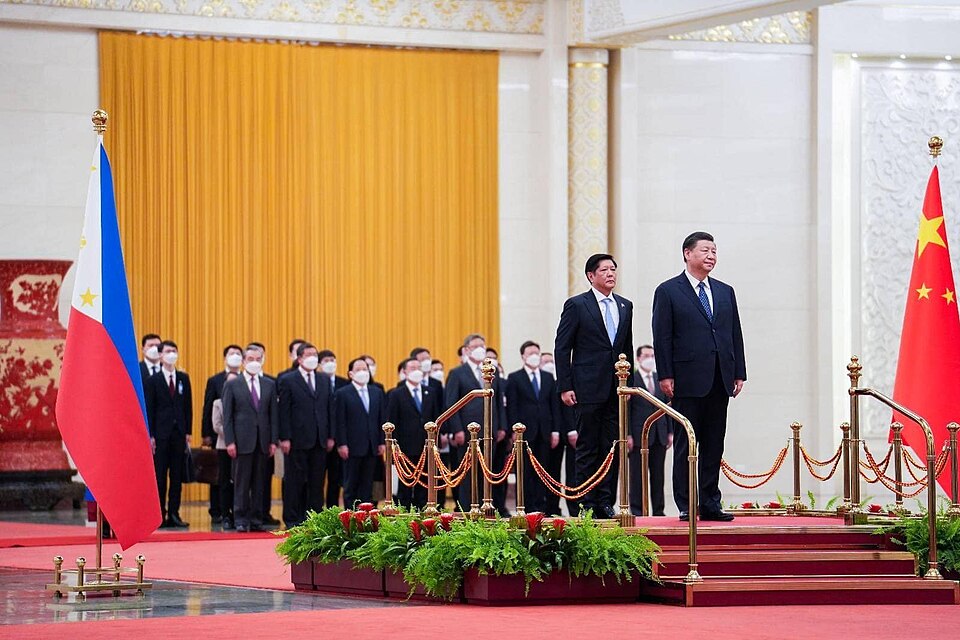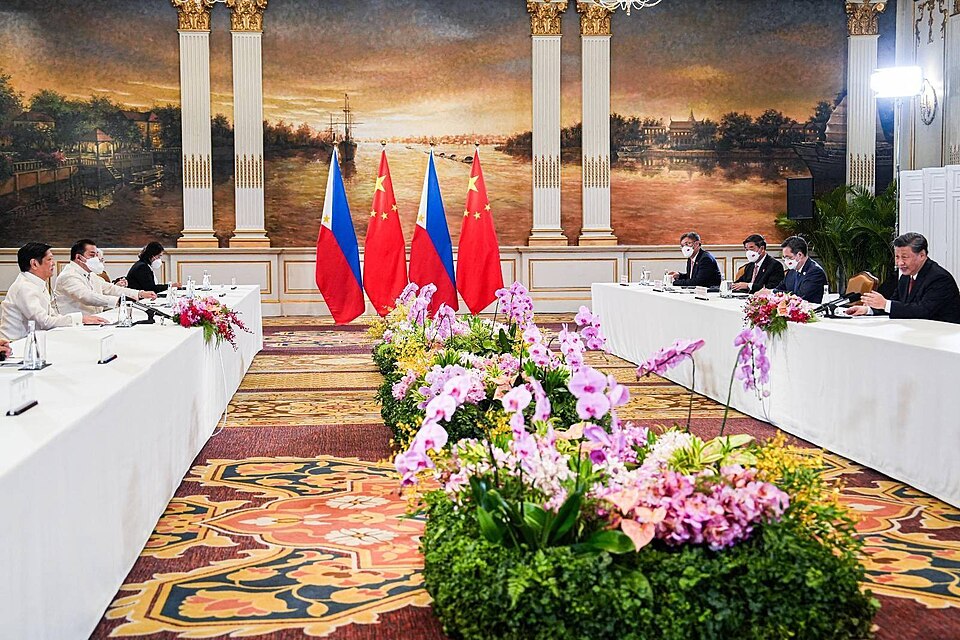
At a state banquet in Beijing on Thursday, U.S. President Donald Trump and Chinese President Xi Jinping praised what both called a "historic" visit and vowed to jointly deepen and promote the relationship between their two countries. The summit, which runs through Friday, is expected to cover trade, tariffs, Taiwan, Iran, and rare earths.
Following what both sides described as an in-depth exchange of views, Xi said both leaders believed that Chinese-U.S. relations were "the most important bilateral ties in the world" and that the two countries should be partners rather than rivals, according to comments translated by Reuters. Xi added that "mutual respect" was key to stable ties.
Trump described Xi as a "friend" and said the relationship between the two countries was one of the most consequential in world history. He said the leaders had held "extremely positive and constructive discussions" earlier in the day and invited Xi to visit the United States on September 24.
Earlier Thursday, before the banquet, Xi raised the concept of the Thucydides Trap, asking whether the two countries could avoid it, according to an official English translation of his remarks broadcast by CCTV. The term refers to how tensions between a rising and a ruling power have historically often resulted in war. Graham Allison, the Harvard professor who popularized the concept, told CNBC's Squawk Box Asia that he expects the trade truce Trump and Xi reached at their meeting in South Korea last fall will become a formal agreement.
Xi also said that Taiwan was the most important issue for U.S.-China relations, and that if not handled well it would push the bilateral relationship to a "dangerous" place, according to state media. Beijing considers Taiwan, a democratically self-ruled island, part of its territory. The island's ruling party rejects that claim.
Trump, who also visited China in 2017 during his first term, told Xi that the relationship between the two countries was going to be "better than ever before," according to official broadcast footage. He noted that the two leaders have known each other personally for longer than any other U.S. or Chinese president.
A White House official said the two sides agreed that the Strait of Hormuz must remain open to support the free flow of energy, and that Xi expressed interest in buying more American oil to reduce China's dependence on that strait in the future. The presidents also discussed increasing Chinese purchases of U.S. agricultural products, according to CNBC.
Xi posed additional questions to the gathering, asking whether the two countries could meet major challenges together for global stability and work for "a brighter future" for humanity, according to the official CCTV broadcast of his opening remarks.