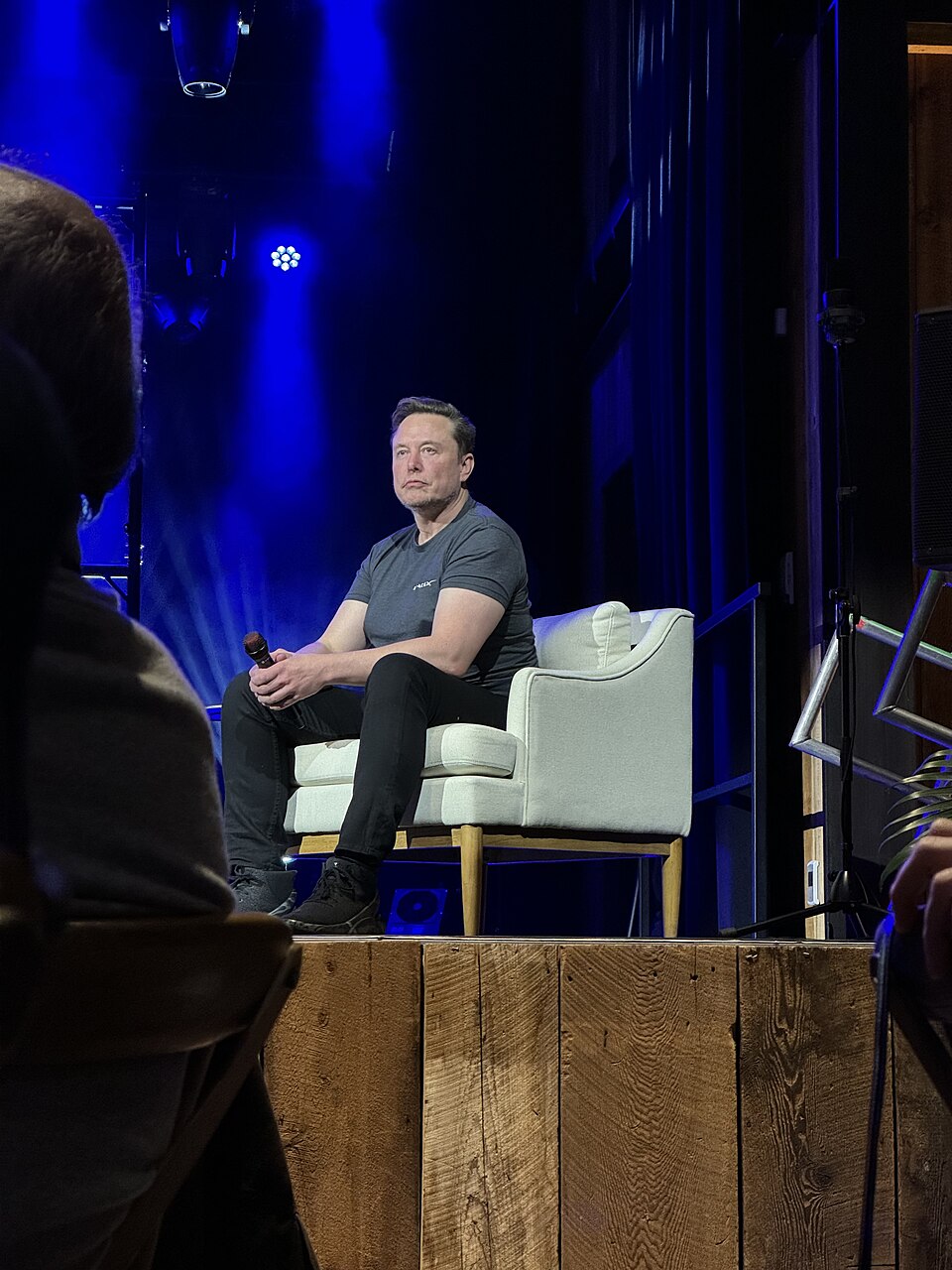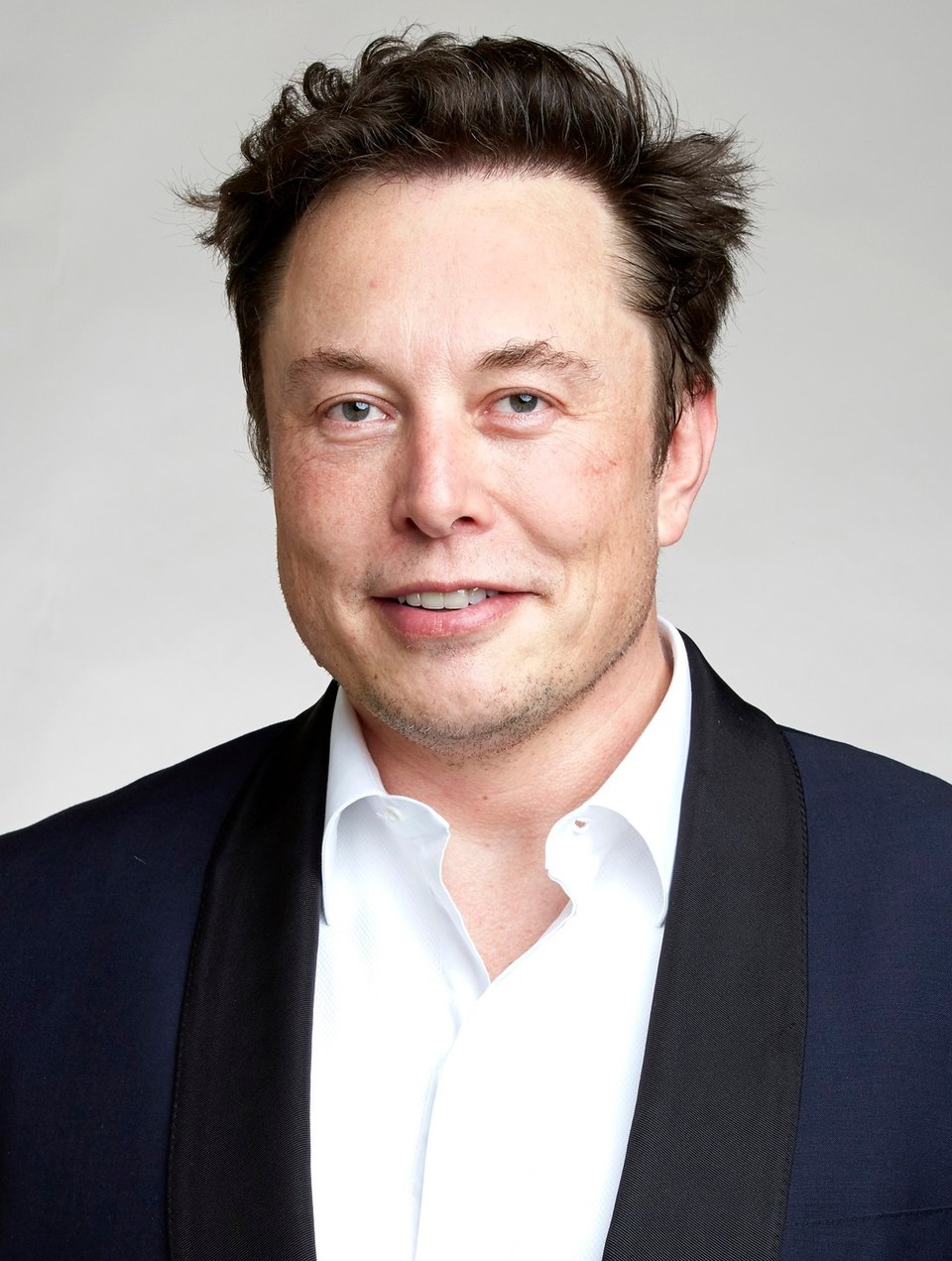
Lawyers for Elon Musk and OpenAI delivered closing arguments Thursday in a landmark trial centered on whether the ChatGPT maker abandoned its founding mission as a nonprofit focused on AI safety in favor of generating profits for investors and insiders, according to a report by Al Jazeera.
Musk, who invested $38 million in OpenAI's early years, sued the company along with CEO Sam Altman and president Greg Brockman, arguing OpenAI strayed from its original purpose of building artificial intelligence that was safe and beneficial to humanity. The jury will now decide whether OpenAI and its leaders profited improperly from what was meant to be a charitable organization.
Musk was not present in court Thursday. He is currently in China accompanying President Donald Trump on a diplomatic visit.
His attorney, Steven Molo, used his closing statement to argue that OpenAI breached its charitable trust by enriching investors and insiders at the nonprofit's expense. Molo also targeted Altman's credibility directly.
"I confronted Sam Altman with the fact that five witnesses in this trial, all people that he's known for years and worked with, called him a liar under oath. Liar's a very powerful word in a courtroom," Molo said.
The five witnesses Molo referenced were Musk himself; Ilya Sutskever, OpenAI's former chief scientist; former chief technology officer Mira Murati; and former board members Helen Toner and Tasha McCauley.
"Sam Altman's credibility is directly at issue in this case," Molo said.
The lawsuit also names Microsoft as a defendant, accusing the company of aiding and abetting OpenAI's alleged wrongdoing. Microsoft invested $1 billion in OpenAI in 2019 and an additional $10 billion in 2023. Molo told jurors that "Microsoft was aware of what OpenAI was doing every step of the way."
OpenAI's defense team pushed back sharply. Attorney Sarah Eddy argued that Musk himself was the unreliable party. "Mr Musk is the one whose testimony is contradicted by every other witness and by all the documents," Eddy said.
Eddy also told the jury that by 2017, everyone connected to OpenAI, including Musk while he was still on the board, understood the company needed more funding than it could raise as a nonprofit. She went further, arguing Musk had his own financial motivations. "Mr Musk wanted to turn OpenAI into a for-profit company that he could control," she said. "But the other founders ref" — the statement was cut off in court documents, but the defense's broader argument was that Musk's claims were undermined by his own conduct during his time at the organization.
The verdict in the case could have wide implications for how artificial intelligence companies are structured and governed going forward.