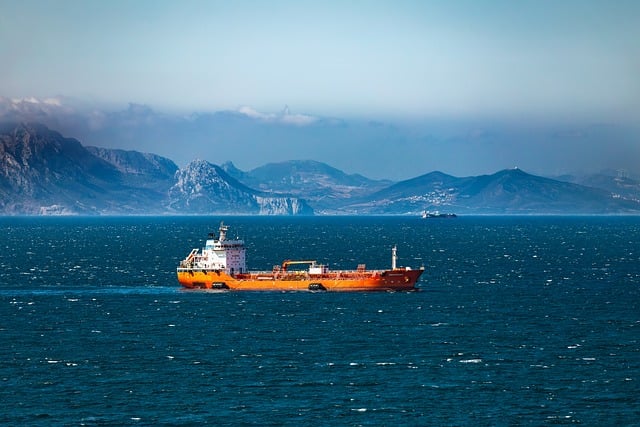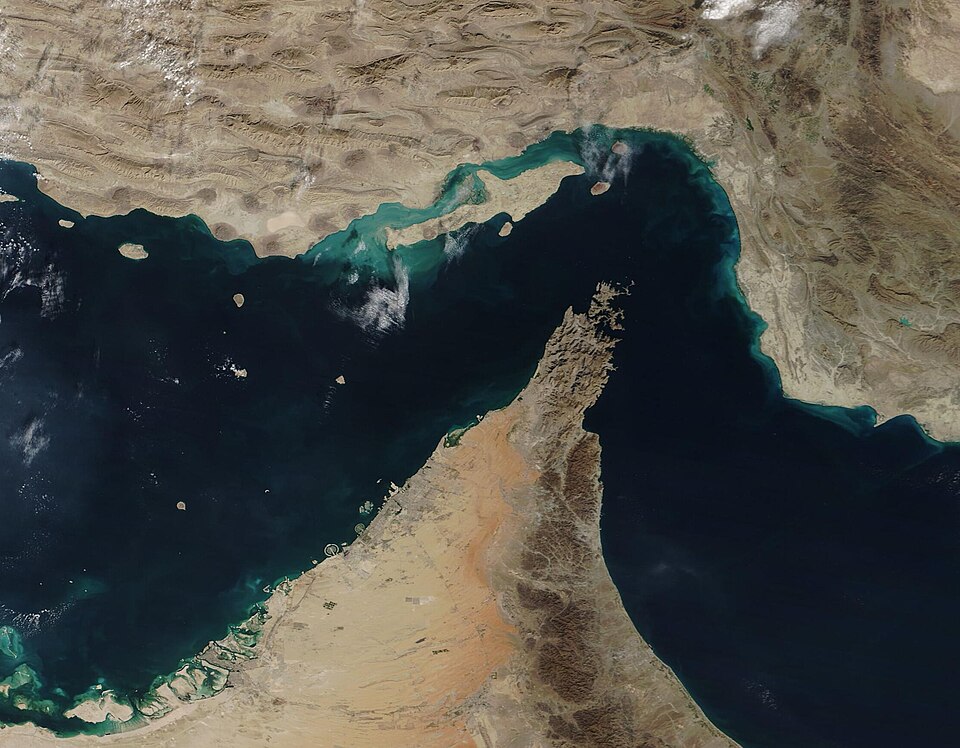
G7 finance ministers gathered in Paris on Monday with global bond markets under strain and oil prices near historic highs, as the ongoing Iran conflict continues to restrict energy shipments through the Strait of Hormuz. The meeting comes as long-term borrowing costs have surged across several major economies, with investors pricing in the risk of prolonged inflation from tight energy supplies.
Eurogroup President Kyriakos Pierrakakis, who is also the Greek finance minister and is representing the euro area at the G7 meeting, issued a blunt warning ahead of the gathering. "Opening the Strait of Hormuz and bringing the conflict to a lasting end are of the utmost importance in mitigating the impact on the economy," he said in a statement, according to CNBC. He added that while European economies have shown resilience, the pressure on the broader global economy will be felt regardless of how quickly the conflict ends. "The European economy has proven resilient in the face of this energy crisis. Yet, the global economy will feel the pressure – even if the conflict is resolved swiftly," Pierrakakis said.
The G7's core members are the United States, the United Kingdom, Canada, France, Germany, Italy, and Japan. U.S. Treasury yields spiked on Friday following a week of turbulent inflation data and as traders began pricing in interest rate policy under new Federal Reserve Chair Kevin Warsh. The yield on the 30-year U.S. bond jumped nearly 11 basis points to 5.121 percent, the highest since May 22, 2025, and nearing levels not seen since October 2023.
In the United Kingdom, yields on 30-year government bonds, known as gilts, reached their highest levels since the late 1990s, driven by a combination of political instability and rising inflation concerns. Japan, a major energy importer and particularly sensitive to the inflationary effects of the Iran war, has also seen bond yields rise sharply in recent days. Bond yields and prices move in opposite directions, with traders commanding higher yields when confidence in the issuing government weakens.
Oil markets remain volatile. International benchmark Brent crude futures for July gained more than 3 percent to close at $109.26 a barrel on Friday, while U.S. West Texas Intermediate futures for June advanced more than 4 percent to settle at $105.42 per barrel. Brent crude prices are up 74 percent year-to-date, though they remain below the high of $118 a barrel reached in late April. The International Energy Agency warned last week that global oil inventories are falling at a record pace and will approach critical levels if the Strait does not reopen. "Rapidly shrinking buffers amid continued disruptions, may herald future price spikes ahead," the IEA said in its monthly update.
On the military and diplomatic front, President Donald Trump spoke with Israeli Prime Minister Benjamin Netanyahu on Sunday as reports circulated that the U.S. may be considering a return to military action against Iran. Fox News reported that two regional intelligence officials said Iranian leadership believes Trump may restart strikes and is deliberately stalling. "The prevailing assessment inside Iran is that President Trump may resort to restarting military action, and Tehran is now deliberately pursuing a strategy of 'deception and delay' with the hopes that buying time will complicate any potential return to war," the officials told Fox News.
Netanyahu confirmed the call in remarks Sunday morning. "I will speak today, as I do every few days, with our friend President Trump. I will certainly hear impressions from his trip to China, and perhaps other matters as well. There are certainly many possibilities, and we are prepared for every scenario," he said, as translated from Hebrew.
Intelligence officials cited in the Fox News report believe Iranian leaders think they can stretch the crisis out by at least two more weeks, with Iranian officials reportedly viewing the World Cup and America's 250th anniversary celebrations as potential factors that could complicate a U.S. return to military operations. A senior Israeli official told Fox News that the effects of the U.S.-led blockade are becoming visible inside Iran, with long lines at gas stations, growing fuel shortages, rising unemployment, and accelerating inflation. "It's getting exponentially worse," the official said. The White House did not immediately respond to a request for comment from Fox News.