Consumers in the United States are willing to pay a premium for lobster harvested using gear designed to protect endangered whales, according to new research out of the University of Maine.
A study led by Qiujie Angie Zheng, associate professor of business analytics in the University of Maine's Maine Business School, found that consumers are willing to pay an average of $3.42 more for a lobster roll made with lobster harvested using ropeless fishing technology when presented with information on animal welfare. The research was published in the journal Marine Resource Economics.
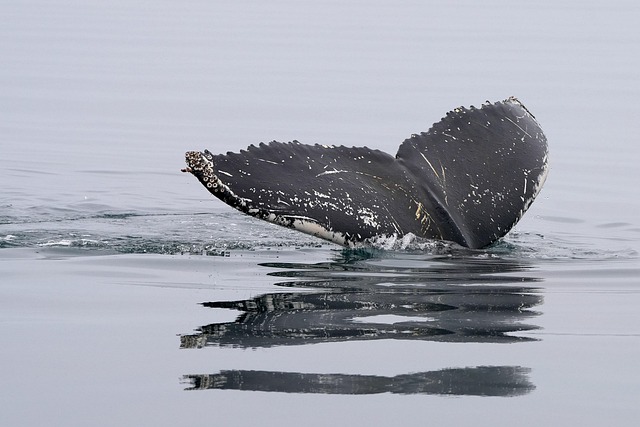
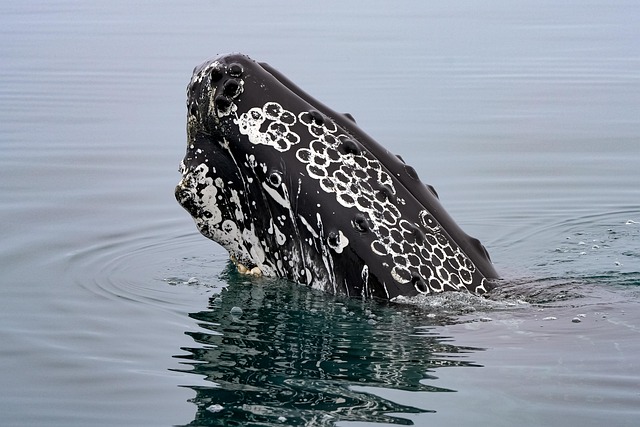
Ropeless fishing technology eliminates the vertical ropes that connect underwater traps to surface buoys. Those lines have long been identified by regulators and researchers as a hazard for large whales, which can become entangled and die. The North Atlantic right whale is among the most at-risk species. Its estimated population stands at just 356 animals, with fewer than 100 reproductive-age females remaining.
Maine's lobster industry is the backbone of the nation's lobster supply, providing roughly 90% of the country's catch. The fishery is also one of Maine's most recognized economic and cultural institutions. The industry has already adopted a range of whale-protection measures over the decades, including weak links, sinking lines, and reduced vertical line requirements. Federal regulators and environmental groups have debated how much Maine lobster gear contributes to right whale deaths, though pressure on the industry to reduce risks has grown in recent years.
Zheng's study did not argue that the industry needs to overhaul its current practices. The research instead explored how consumers might respond if conditions ever required ropeless technology to be adopted more broadly. Messaging in the study focused on whale welfare, and that framing produced the strongest willingness among consumers to pay more.
"Right whale conservation is a collective effort. In addition to the fishermen, regulators, and scientists, consumers play a role, so we hope this research helps understand consumer preferences and evaluations," Zheng said. "These findings do not suggest that Maine's lobster industry needs to change its current practices. Rather, they provide insight into how consumers might respond if ropeless technology were adopted."
Zheng worked with collaborators Kanae Tokunaga from the Gulf of Maine Research Institute and Rodolfo Nayga and Wei Yang from Texas A&M University. Together, the team examined consumer preferences and demand from a marketing and communication standpoint, testing how different types of information shaped willingness to pay.
The study adds a consumer-side dimension to a debate that has largely played out among fishermen, regulators, and conservation groups. While the cost of transitioning to ropeless gear would fall primarily on the fishing industry, the research suggests that some of that cost could potentially be offset if buyers are willing to pay more at the point of sale when they understand what the technology is designed to protect.
The North Atlantic right whale has faced a long list of threats, and entanglement in fishing gear ranks among the leading causes of serious injury and death for the species. With fewer than 100 females of reproductive age remaining in the population, conservationists have described the species as being at a critical threshold.