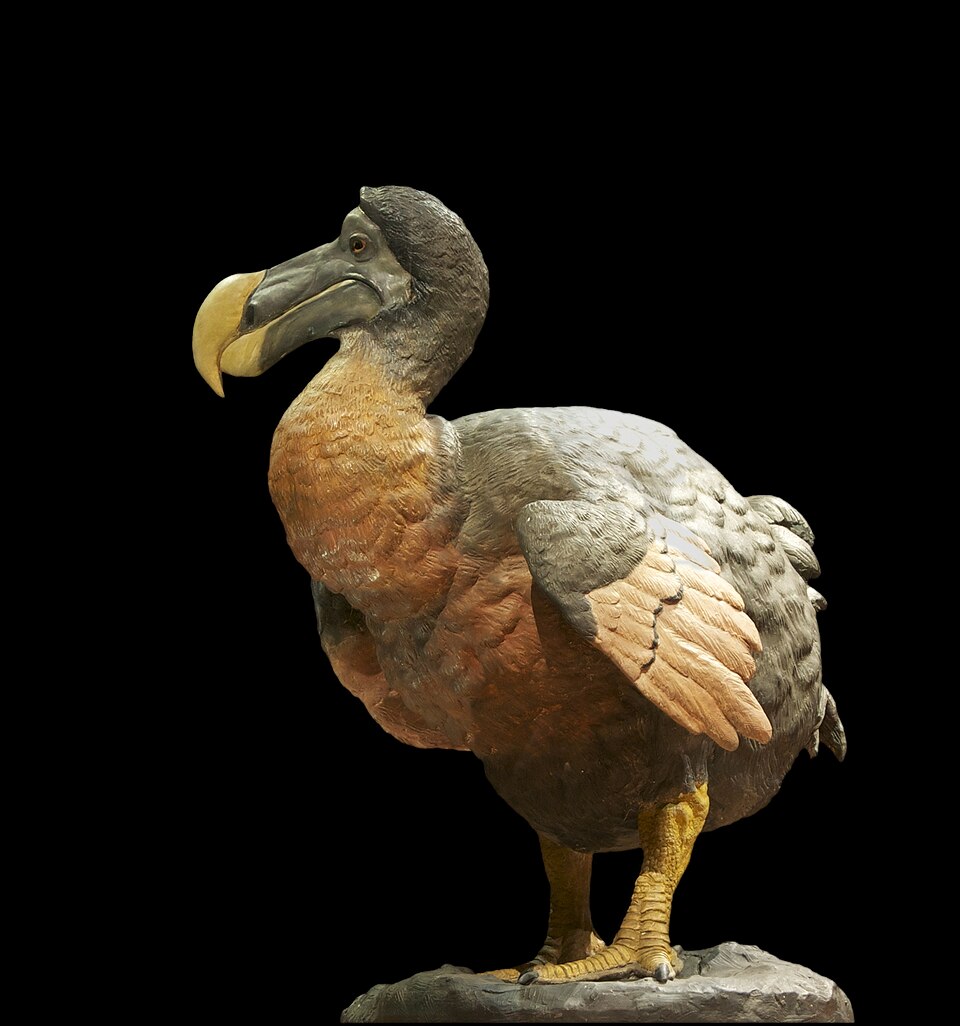
![Skeleton cast and model of dodo at the Oxford University Museum of Natural History, made in 1998 based on modern research.[1][2]](https://freenewspress.com/media/2026/05/19/dodo-bird-extinct-2a76fd.jpg)
More than two dozen chickens have hatched from artificial 3D-printed eggs developed by the biotech company Colossal Biosciences, the company announced Tuesday, in what researchers describe as a proof of concept for eventually incubating embryos of extinct birds like the dodo and the giant moa.
The artificial egg was developed by Trevor Snyder, a bioengineer at Colossal's lab in Dallas. The device is black with a honeycomb bottom and a clear flat top, roughly the size of a high-tech coffee pod. Snyder described watching a chicken embryo develop inside one during a recent lab tour with NPR. "You can see the little chicken embryos moving around in there," Snyder said. "You can see it has eyes. It has a heartbeat. It has a beak. It has feathers. It has an eyelid. You can see the wings are developing. Legs. It even is beginning to get little claws on its feet."
The eggs are engineered to replicate the functions of a natural egg. The honeycomb structure is designed to let oxygen in while keeping the contents from leaking out. More chicks are expected to follow soon, and Colossal said it is already working on larger versions that could accommodate dodo and moa embryos.
The dodo lived on an Indian Ocean island before going extinct, and its eggs were slightly larger than typical chicken eggs. The giant moa, which roamed New Zealand hundreds of years ago and looked like a giant ostrich, laid eggs roughly the size of a football. That size presents a problem no living bird can solve. "There's no bird on Earth today that could grow a moa embryo inside of one of their eggs," Snyder told NPR. "So we have to come up with artificial eggs to be able to support those embryos. But to understand all the things that the egg needs to do, we're starting with chicken eggs."
Colossal's plan is to recreate dodos and moas from embryos made from gene-edited cells from the Nicobar pigeon, the dodo's closest living relative, and possibly from the emu for the moa. Those genetically modified embryos would then be placed inside the artificial eggs.
The company has previously claimed to have brought the dire wolf back from extinction and says it hopes to resurrect other species including the woolly mammoth and the Tasmanian tiger. Those efforts have drawn criticism from researchers who question whether reviving extinct species would be ethical or safe, or even scientifically possible. Colossal has dismissed those concerns.
Snyder said the chicken hatching milestone is the most significant work he has been part of. "This is the coolest thing I've ever worked on," he said.