President Trump called off a planned large-scale attack on Iran on Monday after leaders of Qatar, Saudi Arabia and the United Arab Emirates asked him to stand down, citing what they described as serious ongoing peace negotiations. Trump said he instructed Secretary of Defense Pete Hegseth, Chairman of the Joint Chiefs of Staff General Dan Caine and the U.S. military not to carry out the scheduled attack, but added that he had told them to stay ready.
In a post on Truth Social, Trump wrote that he had been asked by the Gulf leaders to hold off since "serious negotiations are now taking place." He added that he "further instructed them to be prepared to go forward with a full, large scale assault of Iran, on a moment's notice, in the event that an acceptable Deal is not reached."
The pause came after a weekend of drone attacks in the region. Saudi Arabia said it had intercepted three drones on Monday, one day after a drone struck the Barakah Nuclear Energy Plant in the United Arab Emirates. Those attacks raised new concerns about the potential for military escalation even as peace talks continue. Trump had posted on Truth Social earlier that same day: "For Iran, the Clock is Ticking, and they better get moving, FAST, or there won't be anything left of them. TIME IS OF THE ESSENCE!"
Iran responded by sending a revised 14-point peace plan to Washington through Pakistan, according to the semi-official Tasnim news agency. Iranian Foreign Ministry spokesman Esmaeil Baghaei said the response had been "conveyed to the American side through mediator Pakistan." Iran's demands, according to Baghaei, include the release of assets frozen abroad and the lifting of sanctions. Iran said its terms represent positions that have "been firmly defended by the Iranian negotiating team in every round of negotiations."
Iran also pushed back on the characterization of its role in the negotiations. Iranian officials claimed it was the U.S. that had requested a ceasefire, saying "Iran never requested negotiations." The initial temporary ceasefire began on April 8, six weeks into the war. Since then, armed hostilities have largely subsided, but a durable agreement has not been reached. Trump said last week the ceasefire is "on life support."
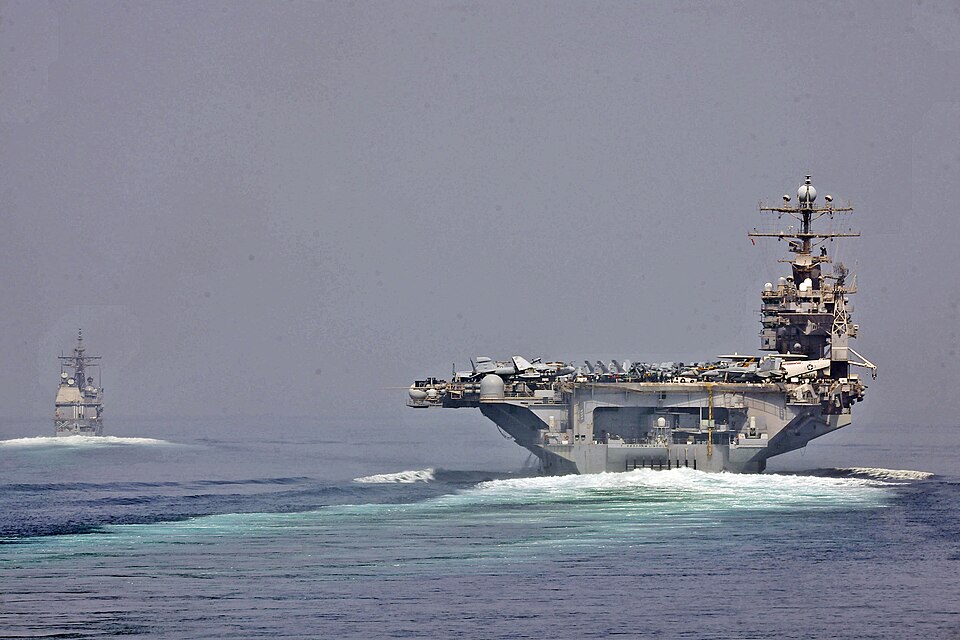
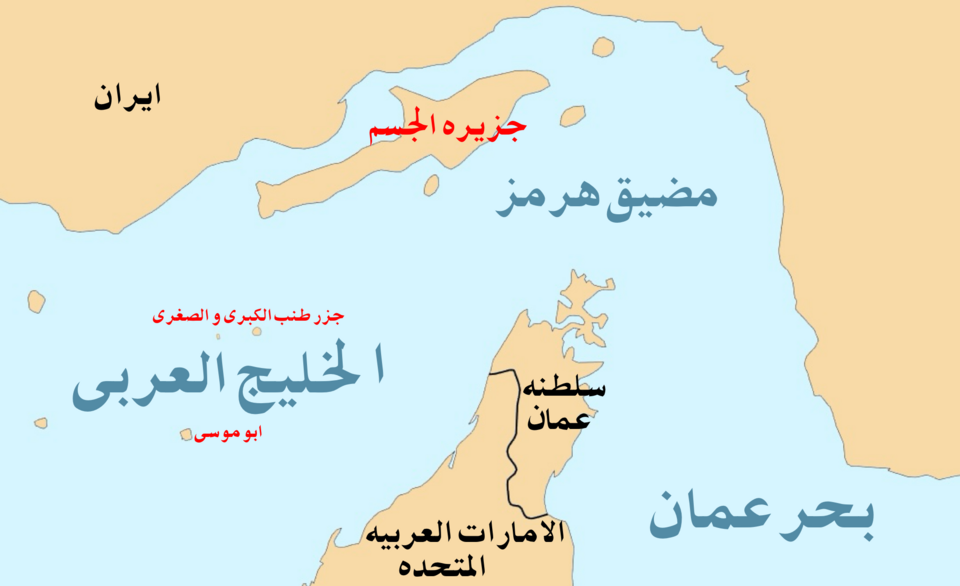
On the military front, U.S. Central Command said American forces have redirected 88 commercial vessels since it began blockading Iranian ports on April 13, up from 85 vessels as of Monday. CENTCOM also said in a post on X that U.S. forces had disabled four vessels "to ensure total compliance" since the start of the blockade. The combined effect of the U.S. blockade of Iranian ports and a de facto Iranian blockade of the Strait of Hormuz has gridlocked vital shipping lanes and driven global energy prices upward.
Iran's Army spokesman Brigadier General Mohammad Akraminia issued a direct warning on Tuesday. If the U.S. "carries out another act of aggression against our dear Iran, we will open new fronts against them using new tools and methods," he said in a post shared by Iran's Islamic Revolutionary Guard Corps. He did not specify what tools or methods Iran might use. He added: "The only path for the enemy is to respect the Iranian nation and uphold Iran's legitimate rights."
Separately, Israel warned residents in southern Lebanon to evacuate their villages Tuesday ahead of strikes. Lebanese officials said the war between Israel and Iranian-backed Hezbollah has killed more than 3,000 people despite a U.S.-brokered ceasefire. Trump said Monday there is now a "very good chance" the U.S. could reach an agreement with Iran to prevent Tehran from obtaining a nuclear weapon. No timeline for formal talks has been announced.