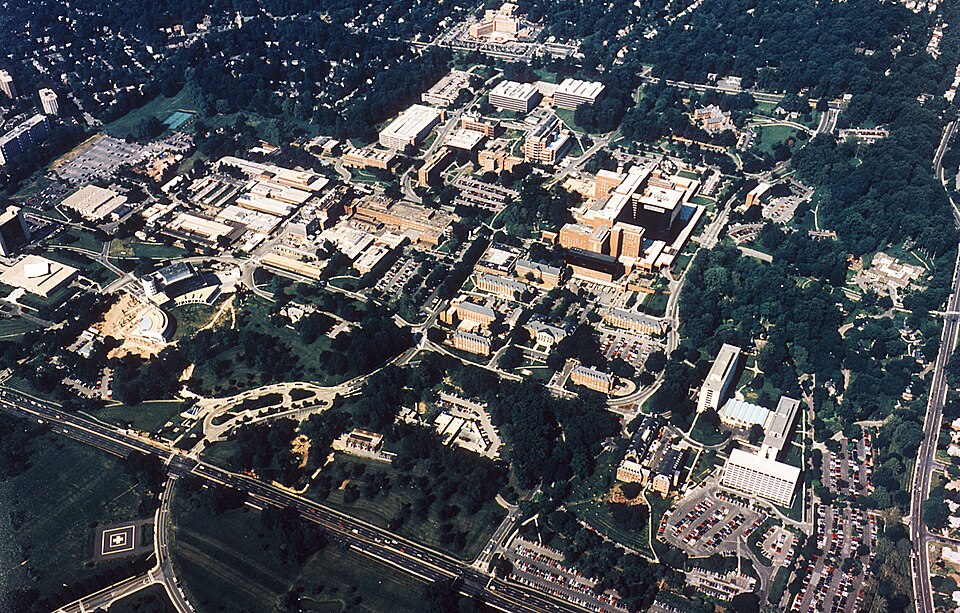
The National Institutes of Health, the country's primary federal agency for medical research, is operating without permanent leadership in a growing number of key positions, according to a report by STAT News. The gap, which spans several senior roles, has raised questions about how the agency will manage ongoing research priorities and institutional direction in the months ahead.
The NIH oversees billions of dollars in research grants each year and coordinates scientific work across 27 institutes and centers. When leadership positions at that level go unfilled for extended periods, decisions about funding, policy, and scientific direction can stall or fall to acting officials with limited authority to make long-term commitments.
According to STAT News, the situation at NIH reflects a broader pattern of administrative uncertainty within the federal health apparatus. The report describes the vacancy problem not as a single missing director but as a more widespread thinning of leadership across the agency's structure.
Acting officials can and do fill gaps in the short term, but permanent directors typically carry more authority to set research agendas, negotiate with Congress, and make personnel decisions that shape an institute's work for years. When those seats stay empty, staff and outside researchers who depend on NIH funding can face delays and uncertainty about institutional priorities.
The NIH has operated through leadership transitions before, including during presidential changeovers and during the early months of the COVID-19 pandemic, when the agency's structure was tested by the scale and speed of the public health response. But the current situation, as described by STAT News, involves a concentration of vacancies that goes beyond typical transition gaps.
The report does not identify a single cause for the vacancies but places them in the context of a period of significant disruption across federal health agencies. Researchers, university administrators, and public health advocates who rely on NIH funding have watched the situation closely, given how much the agency's internal decisions affect what science gets done and when.
No specific timeline for filling the positions was reported by STAT News as of the publication of the article.