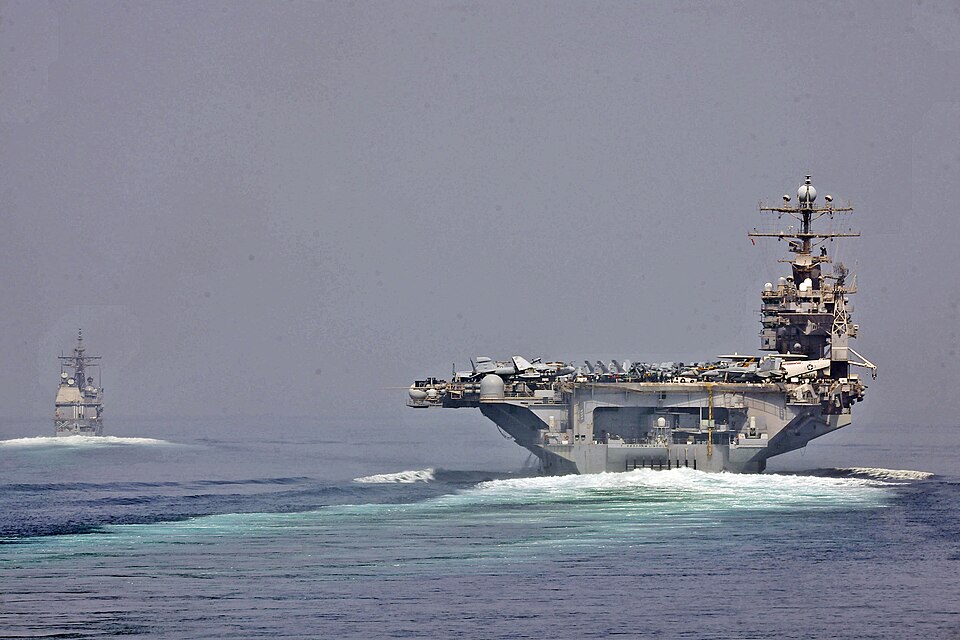
Iran's Islamic Revolutionary Guard Corps has threatened to push the war "beyond the region" if the United States or Israel resume attacks, promising, according to CBS News, "crushing blows … in places you cannot even imagine."
The threat came after President Trump said he had been "an hour away" from ordering new strikes on Iran on Monday evening before Persian Gulf allies asked him not to proceed, citing progress in peace talks. Trump said he delayed the strikes because "serious negotiations" were happening and said he would give Iran two or three days, or maybe a week, to reach a deal.
Vice President Vance later presented a slightly different framing, indicating that Iran has two options: continue negotiations or face a restart of the military campaign. Vance has said that Iran is fractured, with its leaders holding different views on what direction to take. He acknowledged he is unsure whether the division stems from poor communication or a lack of good faith, but said it complicates negotiations.
Pakistan's interior minister visited Tehran on Wednesday for the second time in a week, part of what diplomatic sources told CBS News is a doubling of Pakistani efforts to broker a peace deal, as a return to fighting, according to those sources, "would be a total disaster for everyone."
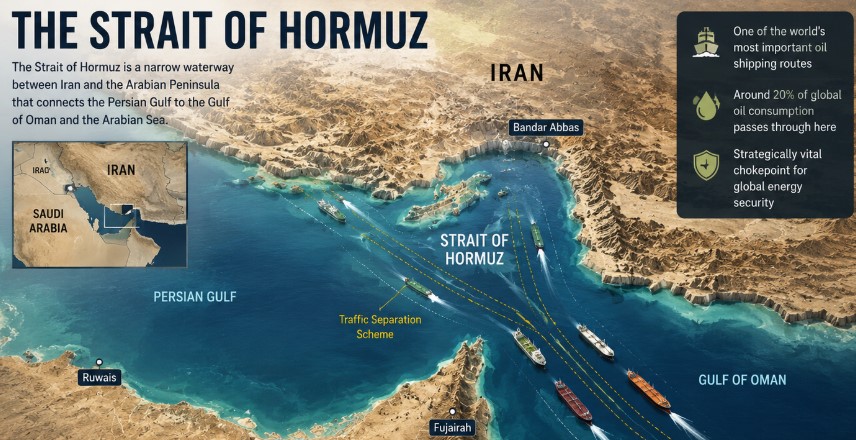
The conflict has had direct economic consequences beyond the region. The ongoing effective blockade of the Strait of Hormuz has disrupted oil and liquefied natural gas transport, with more than half of Europe's jet fuel passing through the strait. According to BBC News, European jet fuel prices are nearly double what they were before the war started. In late February, before the first U.S. and Israeli airstrikes, jet fuel was trading at $831 per tonne in Europe. By early April, it had touched $1,838.
The supply disruption prompted the United Kingdom to water down planned sanctions on Russian oil products. The British government said it would phase in a planned ban on imports of diesel and jet fuel made from Russian crude oil processed in third countries, citing supply concerns stemming from the Middle East conflict. The Centre for Research on Energy and Clean Air estimated that about £1.8 billion worth of oil products made from Russian crude had been imported to the UK via India and Turkey since the first ban on oil was imposed in December 2022.
Ukraine's sanctions commissioner Vladyslav Vlasiuk said he understood the rationale behind the UK's decision but disagreed with it. "Our concern relates specifically to temporary exemptions that may still generate additional revenues for Russia's war machine," he posted on social media.
Analysts warn the broader Iran situation could turn into a frozen conflict, capable of reigniting at any moment. Mona Yacoubian, a former State Department official now at the Center for Strategic and International Studies, described the risk to NPR as a prolonged conflict lasting months with no clear resolution in sight.