The head of the International Energy Agency warned Thursday that global oil markets could enter a danger zone within weeks, as stockpiles built up before the Iran war continue to drain and summer travel demand begins to climb.
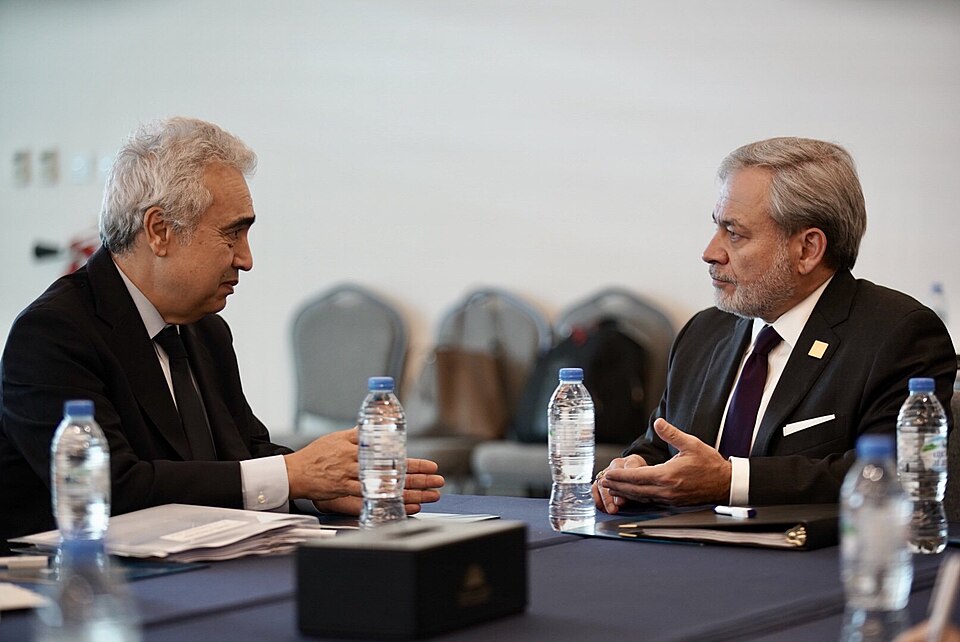
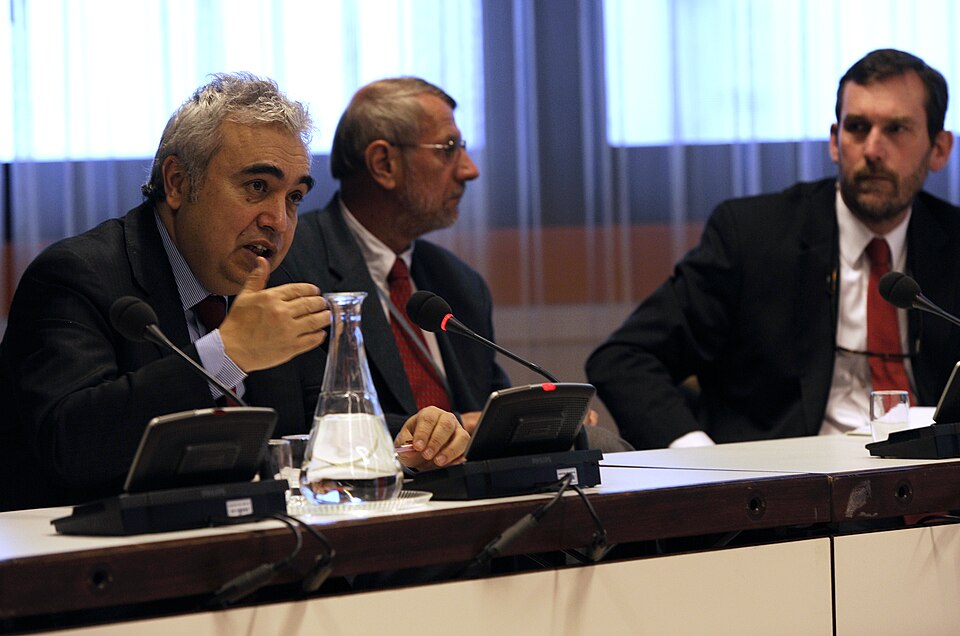
IEA Executive Director Fatih Birol made the remarks during a Chatham House session on the Strait of Hormuz crisis and global energy security. His warning came as Brent crude futures traded 1.9% higher at $106.92 per barrel and U.S. West Texas Intermediate futures rose 2.4% to $100.59 per barrel. Both contracts are up around 45% since the Iran war began.
According to CNBC, Birol said that if the Strait of Hormuz fails to reopen and no new oil comes online from the Middle East, an ongoing drawdown in global stockpiles combined with rising summer demand means oil markets "may be entering the red zone in July or August." He did not elaborate further on what actions might follow.
Roughly 20% of the world's oil and liquefied natural gas typically passes through the Strait of Hormuz. Shipping traffic through the waterway has virtually halted since U.S. and Israeli-led strikes against Iran began on Feb. 28. The IEA has previously described the disruption as the most severe in the organization's history.
Birol said the global market had entered the crisis in a relatively fortunate position, with a surplus available to absorb the initial shock. That buffer is now shrinking. In March, the IEA coordinated the release of 400 million barrels of oil from strategic reserves, the largest such action in the organization's history. Birol said the IEA stands ready to coordinate further releases if necessary, but warned it will likely take a long time for Middle East oil production and refining to return to pre-war levels.
Birol identified the full and unconditional reopening of the Strait of Hormuz as the single most important solution to the crisis. He also expressed concern about the war's impact beyond energy markets, saying he was just as worried about its effect on global food security. He said the biggest pain from the crisis will be felt in developing Asia and Africa.
Lydia Rainforth, head of European equity strategy at Barclays, called it an "incredibly tough situation" for global oil markets. "This is the largest supply outage that we've ever had. We're now exceeding a billion barrels of lost production and that's going to take a long time to … normalize, even if the Strait opens tomorrow," Rainforth told CNBC's Ben Boulos on Thursday.
Oil prices moved higher during afternoon trading in London as market participants monitored the progress of U.S.-Iran talks, though no resolution on the Strait had been announced as of Thursday.