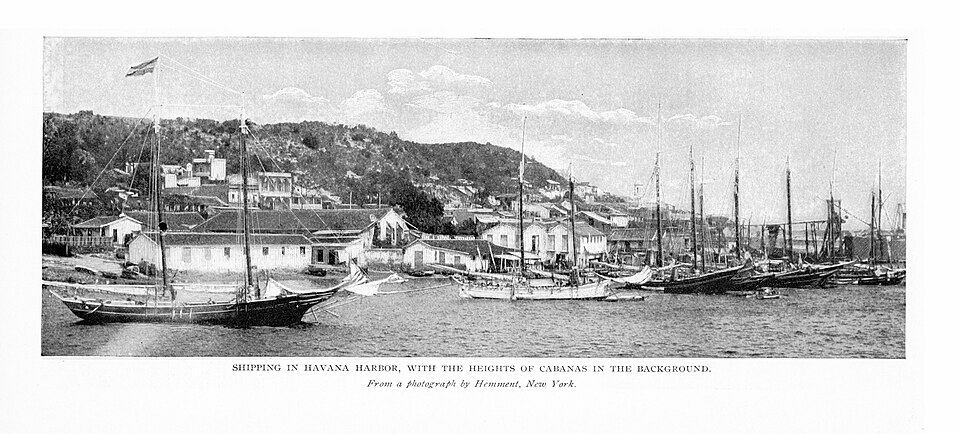
The Supreme Court ruled Thursday that four major cruise lines can be held financially liable for using a port in Havana, Cuba, that was confiscated from an American company by the Cuban government in 1960. The decision came down 8-1.
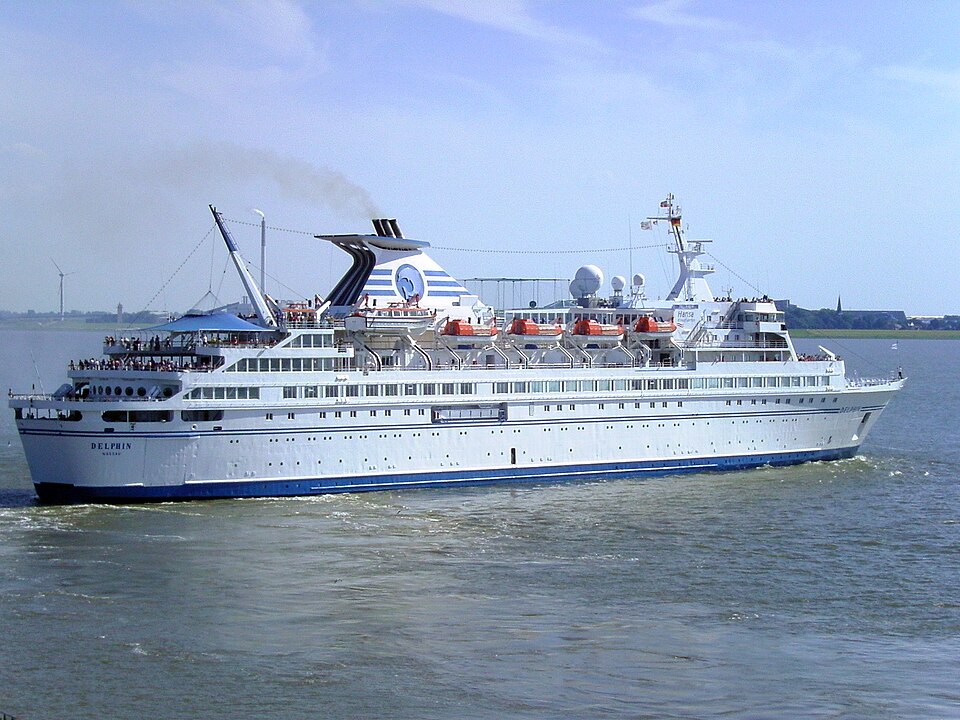
The justices ruled that Havana Docks Corporation, the U.S. firm that built, operated, and temporarily owned part of the port before the Cuban Revolution, can sue Royal Caribbean, Carnival, Norwegian, and MSC in federal court. The companies had used the port for tourism between 2016 and 2019, after the Obama administration opened new diplomatic relations with Cuba and U.S. cruise lines began sailing to Havana for the first time in 50 years.
According to ABC News, the case centered on the Cuban Liberty and Democratic Solidarity Act of 1996, a law passed after Cuban fighter jets shot down two unarmed Cessna planes operated by Brothers to the Rescue. The law was designed to deter companies from profiting from American property taken during the revolution.
Justice Clarence Thomas wrote for the majority. "The Act generally makes those who use property tainted by a past confiscation liable to any U.S. national who owns a claim to that property," Thomas wrote. He also stated that the law "recognizes that the effect of the Cuban Government's expropriation was the destruction of the plaintiff's interest in the property" and "provides a right to compensation based on the plaintiff's former property interest from those who later traffic in the property and thereby help to support the Communist Cuban Government."
President Donald Trump was the first president since the act was passed to enforce the provision that allowed U.S. entities to sue over trafficked confiscated property. After Trump activated that provision, Havana Docks sued the four cruise companies in 2019. A district court awarded the company more than $400 million. But the 11th U.S. Circuit Court of Appeals reversed that ruling, finding that Havana Docks' claim to the piers would have expired in 2004 under the company's original agreement with the Cuban government. Thomas rejected that conclusion, writing that the use of the docks by the cruise lines was sufficient to establish liability.
The ruling arrives as the Trump administration increases pressure on Cuba more broadly. An oil embargo is ongoing, and a criminal indictment of former Cuban leader Raul Castro was unsealed Wednesday. Legal analysts say the decision could further discourage business dealings with the island and open the door to similar lawsuits from other U.S. companies whose property was seized during the revolution.