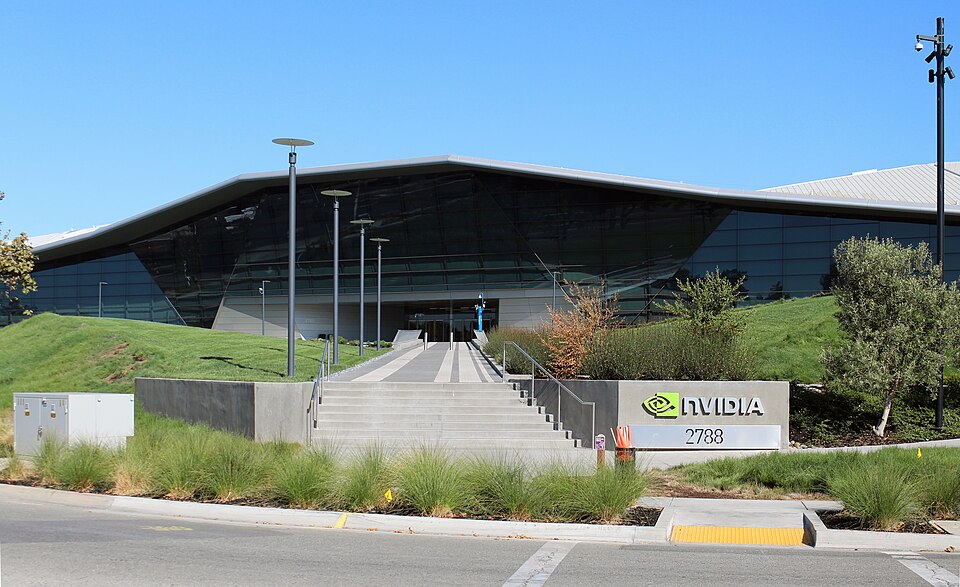
The relationship between the gaming community and the tech industry that it helped build is fracturing. According to a report by MarketWatch, hardcore gamers who spent decades buying the hardware that fueled companies like Nvidia are now watching those same companies redirect their resources toward artificial intelligence, often at the gamers' direct expense.
The tension is being described as an ongoing culture war. Gamers argue that their years of purchasing high-end graphics cards and processors essentially subsidized the research and infrastructure that made the AI boom possible. Now, they say, the companies benefiting most from that boom have left them behind.
The cost of key gaming components has risen sharply as demand from AI data centers competes with consumer demand for the same chips. Nvidia, long the dominant supplier of graphics processing units for PC gaming, has shifted much of its production capacity toward chips designed for large-scale AI workloads. That has reduced supply for consumer-grade gaming hardware and contributed to higher prices for what remains available.
Big Tech's departure from the gaming space is not just about chip allocation. MarketWatch reported that companies across the industry have redirected engineering talent, investment, and corporate attention toward AI development, treating gaming as a lower priority than it was during the years when the gaming market was one of the primary drivers of semiconductor revenue.
For many in the gaming community, the frustration goes beyond the cost of hardware. Gamers who identify as core or hardcore players feel a sense of cultural betrayal, having viewed tech companies as partners in building an entertainment medium. The shift toward AI has made those companies feel less like allies and more like landlords raising the rent.
The broader implications extend to anyone interested in PC gaming or consumer electronics. If AI demand continues to command premium pricing for high-performance chips, the cost of entry for gaming setups capable of running modern titles at high settings could continue to climb. That would likely push more players toward consoles or lower-spec machines, narrowing the market for the kind of high-end gaming that Nvidia built its early reputation on.