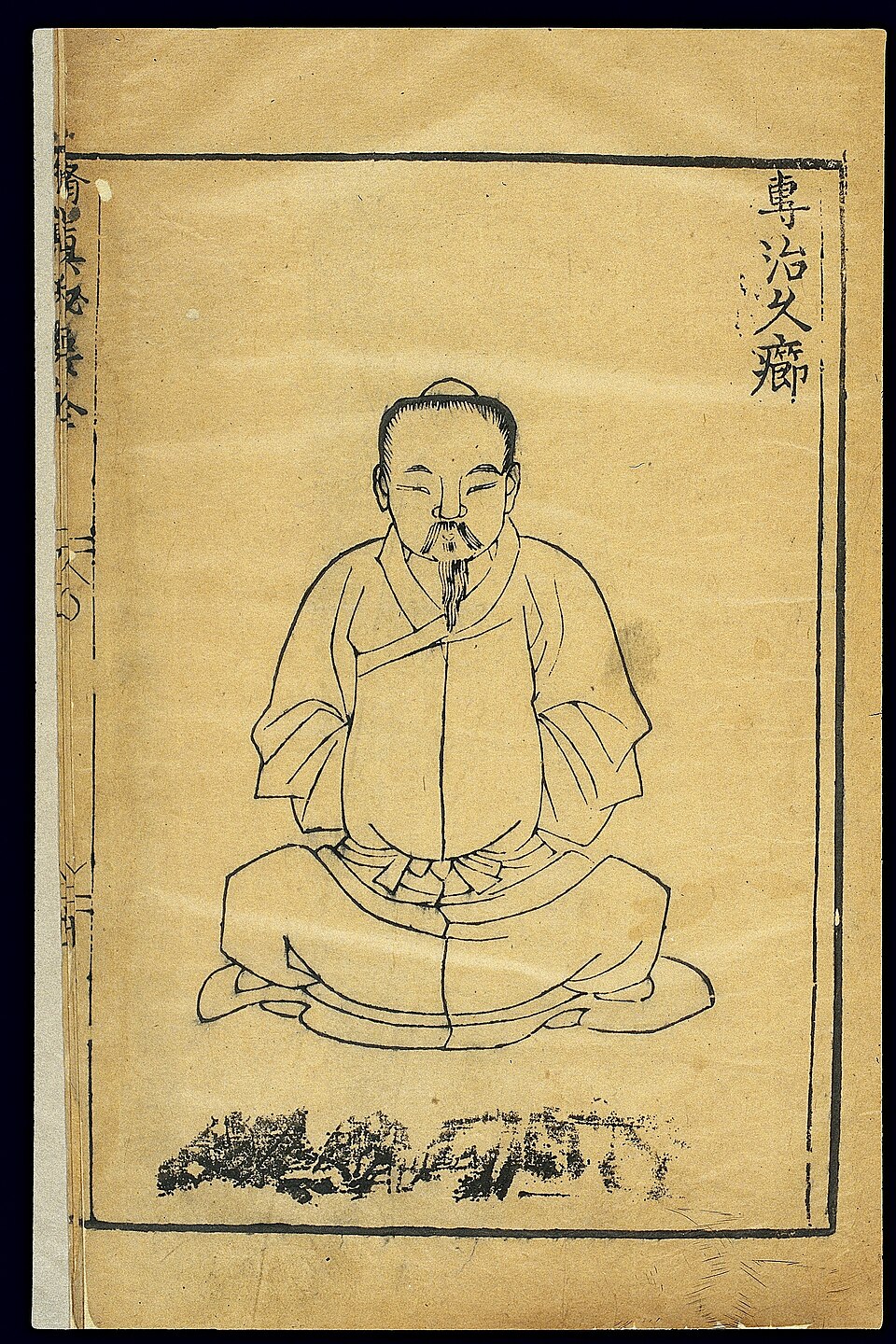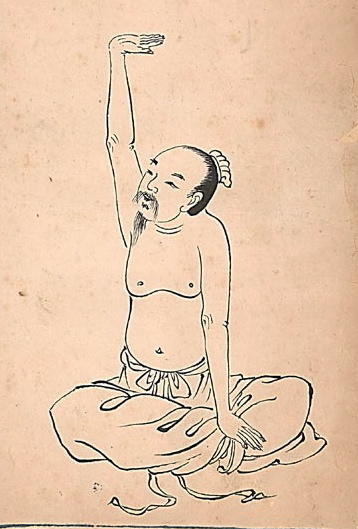
Fifteen minutes a day of slow, deliberate movement may be enough to meaningfully lower blood pressure, according to a clinical trial whose findings were published in JACC, the flagship journal of the American College of Cardiology.
The practice is called baduanjin, a Chinese wellness tradition that dates back centuries. It involves eight standardized movements performed in sequence, combining slow aerobic motion, isometric holds, and mindful breathing. The full routine takes roughly ten to fifteen minutes to complete and requires no equipment or specialized instruction.
Researchers found that people with hypertension who practiced baduanjin five days a week showed a measurable reduction in systolic blood pressure at a three-month follow-up. That reduction held for a full year. The results were comparable to some first-line hypertension medications and similar, if not superior, to the effects of brisk walking.
Senior study author Jing Li, MD, PhD, director of the Department of Preventive Medicine at the National Center for Cardiovascular Diseases in Beijing, said in a statement that baduanjin "can be implemented as an effective, accessible and scalable lifestyle intervention for individuals trying to reduce their blood pressure," citing its simplicity, safety, and the ease with which people stick to it long-term.
That last point matters. Long-term adherence to exercise routines is one of the persistent challenges in managing hypertension through lifestyle changes. Gym memberships lapse. High-intensity programs intimidate. Baduanjin sidesteps those barriers. It can be practiced at home, indoors or outdoors, and requires no learning curve beyond the eight movements themselves.
Baduanjin belongs to the broader family of qigong practices, which blend movement, breath control, and focused awareness. Related research supports the cardiovascular potential of this approach. A 2023 meta-analysis found that qigong may offer cardiovascular benefits for people with metabolic syndrome, a cluster of conditions that can lead to elevated blood pressure, though the authors noted that more high-quality studies are still needed.
Yoga and meditation have also drawn attention for their potential role in blood pressure management. Experts generally describe these mind-body practices as complementary to, not replacements for, first-line treatments such as medication and dietary changes. Revised blood pressure guidelines have placed greater emphasis on early intervention and consistent physical activity, which creates room for accessible, low-barrier options like baduanjin to play a supporting role in care plans.
Larger studies are still needed to establish how broadly the findings apply across different populations and how baduanjin compares directly to other structured exercise programs over the long term. The current trial's results, however, give researchers and clinicians a concrete data point: for people with hypertension, ten to fifteen minutes of this ancient practice, done consistently, can produce changes that show up on the blood pressure cuff months later.