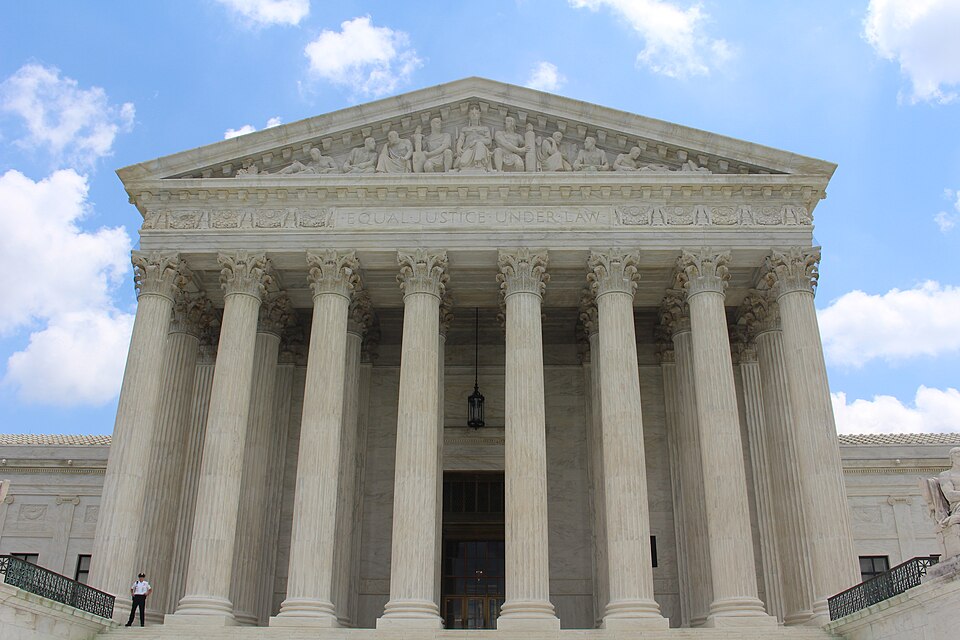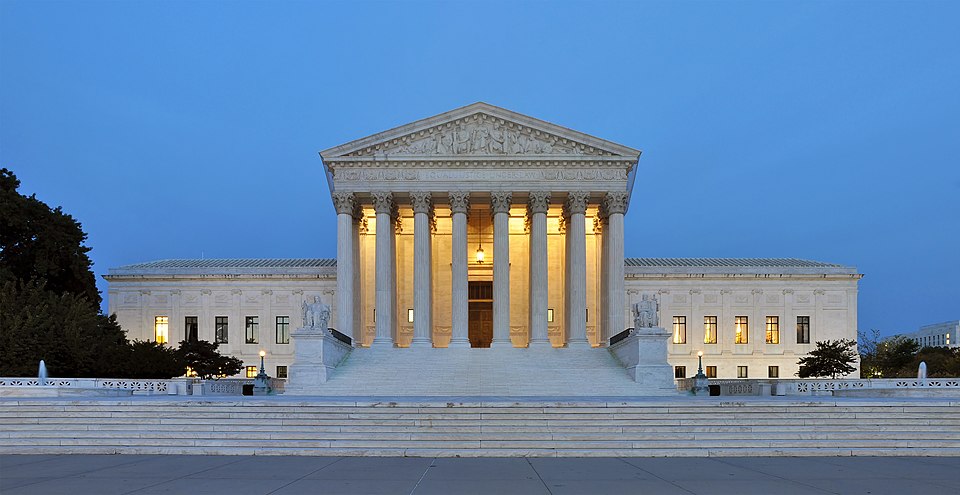
The Supreme Court heard oral arguments Monday in a case that could determine whether police can legally scoop up cellphone location data from potentially thousands of people at once, using a legal tool known as a geofence warrant.
The case stems from the 2019 armed robbery of a credit union in Virginia. Okello Chatrie was indicted on charges related to that robbery after authorities obtained a geofence warrant compelling Google to turn over location history and timestamps from every cellphone within 150 meters of the bank during the crime. That data placed Chatrie's phone at the scene. He entered a provisional guilty plea but reserved the right to challenge the evidence on appeal.
Geofence warrants differ from typical warrants in scope. Standard warrants target a specific individual or organization. Geofence warrants compel service providers such as Google or Verizon to hand over data from all devices in a defined area during a defined timeframe, often without the knowledge of the people whose data is collected. A single warrant can pull records from a large number of people who have no connection to any crime.
Many of the justices appeared at least partially sympathetic to the government's position during arguments. Chief Justice John Roberts noted that users have control over their own privacy. "If you don't want the government to have your location history, you just flip that off," Roberts said. "If you don't want them to peer into your window, you close the window or your shades." Justice Samuel Alito pointed out that Chatrie had voluntarily turned on location sharing and that his contract with Google disclosed the data could be retained.
The attorney representing Chatrie pushed back on the voluntary-disclosure framing. "I think one should be permitted to hand over data to a third party without assuming the government is going to look at it," said Adam Unikowsky, arguing that the Fourth Amendment's protection against unreasonable searches applies even to information shared with commercial platforms.
The Trump administration, defending the prosecution, argued that sharing location data with apps and service providers constitutes a voluntary forfeiture of privacy expectations. Most telecom contracts do include fine-print disclosures that cloud-stored data may be turned over to law enforcement under court order, though many users are unaware of those terms or do not adjust their privacy settings.
The court's ruling, expected before the end of its current term, could reshape how law enforcement conducts digital investigations across the country.