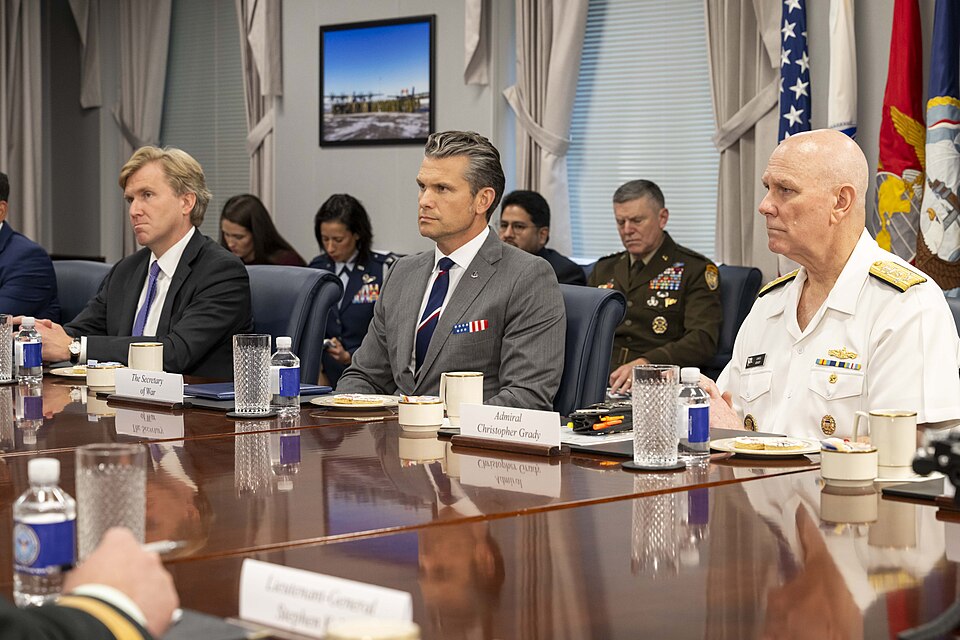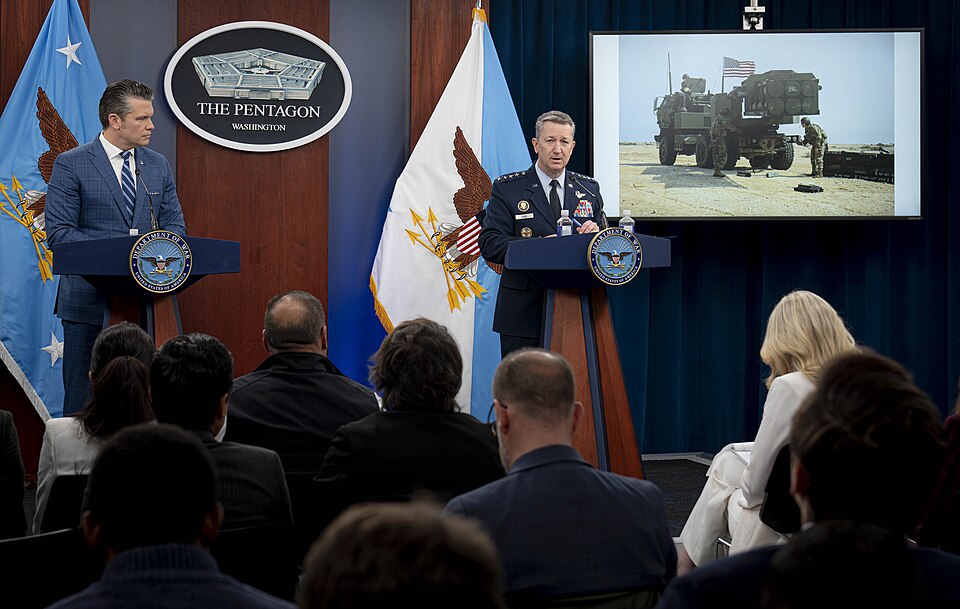
Defense Secretary Pete Hegseth will appear before the House Armed Services Committee on Wednesday, his first congressional testimony since the Trump administration launched its war against Iran in late February. A second hearing before the Senate Armed Services Committee is scheduled for Thursday.
The nominal subject of both hearings is the administration's proposed 2027 military budget, which would boost defense spending to a historic $1.5 trillion. Hegseth and General Dan Caine, chairman of the Joint Chiefs of Staff, are expected to make the case for expanded investment in drones, missile defense systems and warships.
But Democrats are unlikely to stick to the budget. They are expected to press Hegseth on the escalating costs of the Iran conflict, a significant drawdown of US munitions, and a strike on a school that killed children. Some lawmakers also plan to ask how prepared American forces were to intercept swarms of Iranian drones, some of which penetrated US air defenses and killed or wounded American troops.
The war began February 28 without a congressional authorization vote. Democrats have repeatedly introduced war powers resolutions that would have forced Trump to halt operations until Congress approved further action. All have failed. Republicans have largely held ranks behind the president, citing Iran's nuclear program and what they describe as high stakes for disengagement. Still, GOP members are growing impatient for the conflict to end, and some are watching for openings to press the issue if it drags into the midterm cycle.
Iran's closure of the Strait of Hormuz has driven oil prices sharply higher. International benchmark Brent Crude topped $112 a barrel Tuesday, according to CBS News, with no clear sign of a resolution. The disruption has squeezed a critical artery for roughly one-fifth of the world's oil and natural gas exports, sending additional shipping traffic through the Panama Canal, where daily ship arrivals have jumped from around 34 in January to as many as 50 now.
The US has responded to the Hormuz closure with a naval blockade of Iranian shipping and has deployed three aircraft carriers to the Middle East, a concentration of naval power not seen in more than 20 years. Iran has proposed reopening the strait in exchange for the US ending the war, lifting the blockade and postponing nuclear talks. Trump has shown no sign of accepting those terms.
Hegseth has largely avoided unscripted questioning since the conflict began, holding televised Pentagon briefings and taking questions primarily from conservative media outlets while citing Bible passages when challenging mainstream reporters. Wednesday's committee room will offer a different dynamic. Beyond the war, lawmakers are expected to raise Hegseth's removal of several senior military leaders, including Navy Secretary John Phelan.
Iran's foreign minister traveled to St. Petersburg this week for talks with Russian President Vladimir Putin, praising Moscow's "firm and unshaken" support. Analysts told Al Jazeera that Russia could offer Iran a partial economic lifeline through railways, Caspian ports and sanctions-era trade networks, but noted that bilateral trade between the two countries reached only $4.8 billion in 2024 and that logistical costs and overlapping industrial bases limit how much Moscow can realistically offset the blockade's damage.