In 1991, Lucy Liu was 22 years old when she found a lump in her breast and underwent surgery. The lump turned out to be noncancerous. More than three decades later, she is using that experience to push for greater awareness about cancer screenings and the importance of seeking a second medical opinion.
"I learned a lot about myself, and I think that was the beginning of advocating for myself, with my health and everything else," Liu told Healthline. She said she had no knowledge at the time of screening tools like mammograms or ultrasounds. "I really didn't do anything except go in, then go and schedule a surgery."
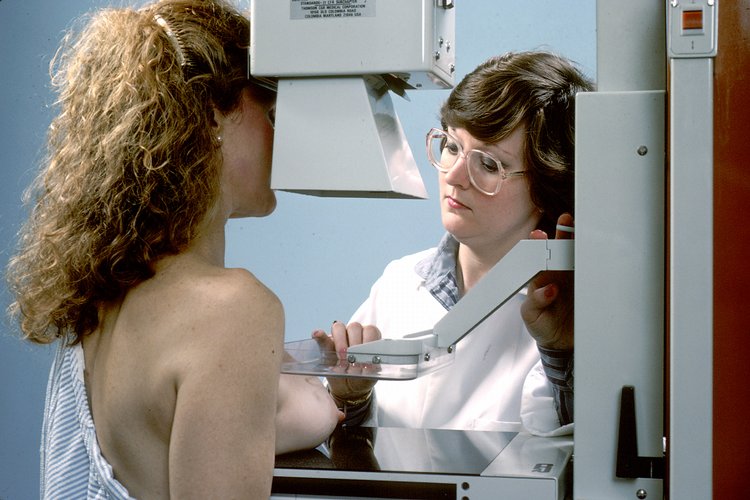
Liu is now part of Pfizer's Every Breakthrough Matters campaign, which focuses on the life-saving impact of early cancer detection. The campaign points to broad population-level benefits from routine screenings: mammograms are credited with reducing breast cancer deaths in 260,000 women, PSA testing with reducing prostate cancer deaths in 200,000 men, Pap smear testing with reducing cervical cancer deaths in 160,000 women, and colonoscopies and related tests with reducing colorectal cancer deaths in 740,000 people.
Mikkael Sekeres, chief of hematology at Sylvester Comprehensive Cancer Center at the University of Miami Health System, said the stakes around accurate diagnosis are high. His hospital conducted a study comparing diagnoses of myelodysplastic syndromes, a type of leukemia, between community sites and expert pathologists at centralized centers. "We found that major misdiagnoses occurred 20% of the time, and even more frighteningly, 10% of patients received the wrong treatment for the wrong diagnosis," he said.
His advice is direct: "You owe it to yourself to seek a second opinion on both your diagnosis and the right treatment for that cancer."
Sekeres described screening tests as tools that catch cancer before a patient or doctor even suspects it is present. He noted that the tests have grown more accurate and less invasive over time, and that clinical guidance around when to get screened has improved. Mammograms, Pap smears, colonoscopies, and skin checks all fall within the standard toolkit of preventive care he recommends.
Some screenings require more nuance. PSA testing for prostate cancer, Sekeres said, should involve a direct conversation between patient and doctor about both the risks and benefits. Lung cancer screening is recommended for high-risk groups, specifically current smokers between 50 and 80 years old.
Liu said the experience at 22 changed how she approaches her own health. "I have a lot more curiosity for my health now than I did then," she said. Her central message is one she wishes someone had told her before that surgery: ask questions, and do not rely on a single opinion.