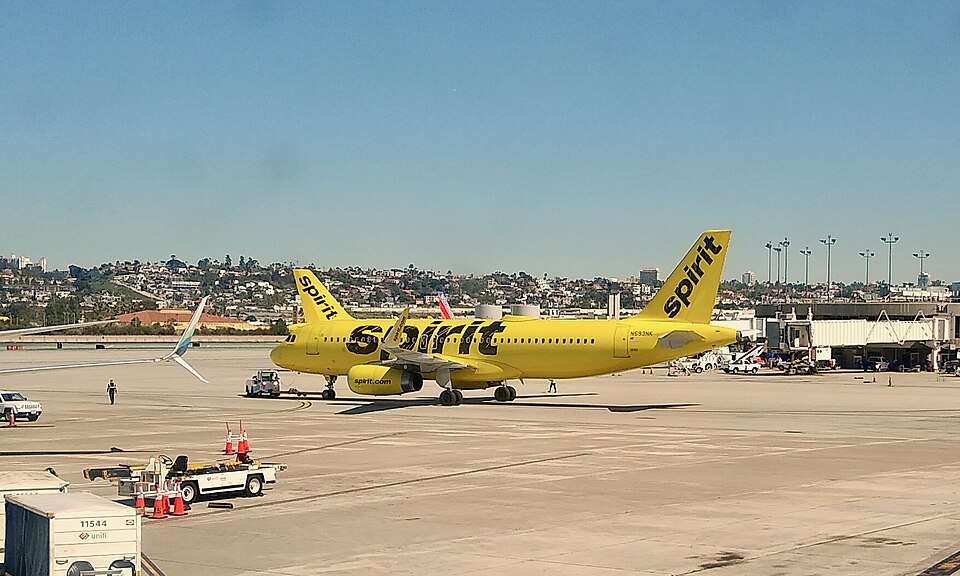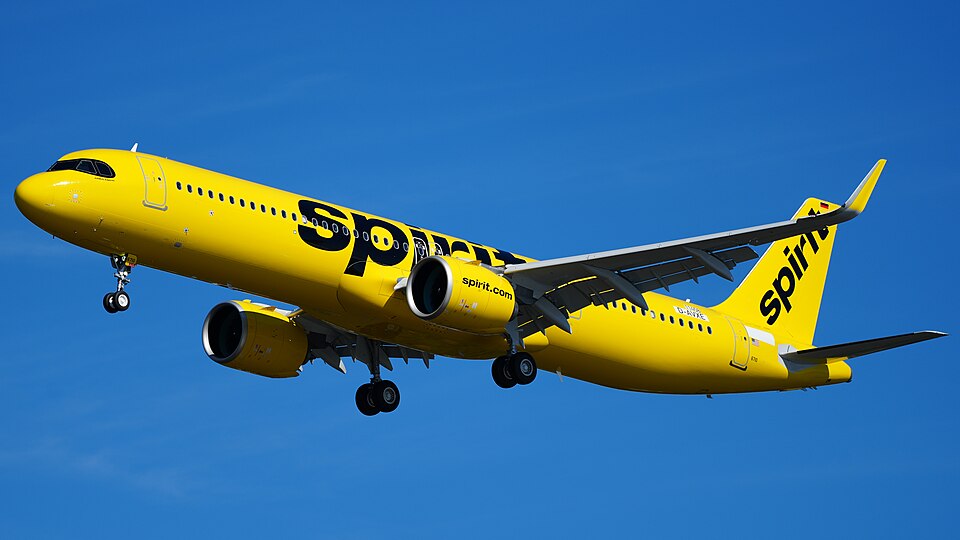
Spirit Airlines has shut down operations, with the company citing an inability to keep pace with rising oil prices as a central reason for the collapse of one of America's largest budget carriers.
The shutdown marks the end of a prolonged financial struggle for the Fort Lauderdale-based airline, which had already filed for bankruptcy protection in late 2024. The carrier built its business model around razor-thin margins and high passenger volume, a strategy that proved vulnerable to sustained increases in fuel costs. Jet fuel typically accounts for a significant portion of any airline's operating expenses, and for a carrier competing on price above all else, those cost increases left little room to maneuver.
Spirit had attempted to restructure its debts and find a path forward through the bankruptcy process, but the combination of high oil prices, mounting debt, and fierce competition from larger low-cost rivals proved too much to overcome. The airline had also seen a proposed merger with Frontier Airlines collapse and a separate acquisition bid by JetBlue blocked by federal regulators on antitrust grounds, leaving the carrier without the scale or financial backing it needed to survive independently.
The airline's closure affects hundreds of routes, primarily serving leisure travelers and price-sensitive flyers who relied on Spirit's low base fares. Passengers holding future tickets will need to seek refunds or rebook on competing carriers, with no guarantee of comparable prices. Spirit operated a fleet of Airbus narrowbody jets and employed thousands of workers, including pilots, flight attendants, and ground staff, whose jobs are now at risk.
The broader low-cost airline sector has faced turbulence in the post-pandemic period as labor costs climbed, aircraft delivery delays disrupted fleet planning, and fuel prices remained elevated. Spirit was particularly exposed given its positioning at the very bottom of the pricing market, where any meaningful cost increase is difficult to pass on to customers without undermining the core value proposition.
The shutdown adds Spirit to a growing list of airlines that have failed to survive the pressures reshaping the industry since the pandemic disrupted global travel. Larger carriers with diversified revenue streams, loyalty programs, and premium cabin offerings have fared considerably better, widening the gap between the major network airlines and the ultra-low-cost operators that once threatened to reshape the market.