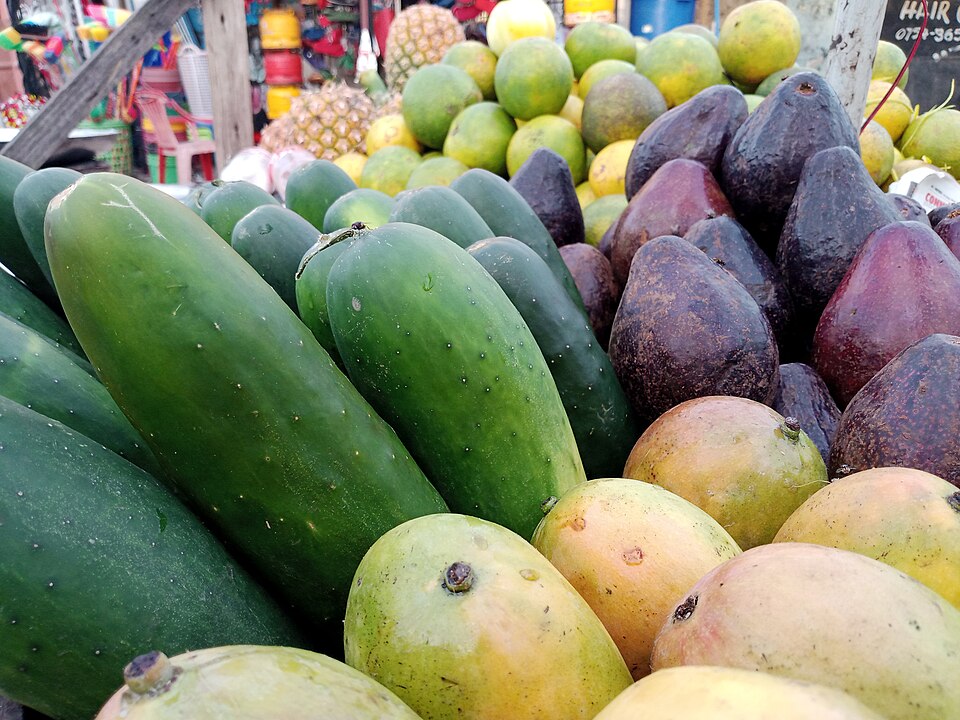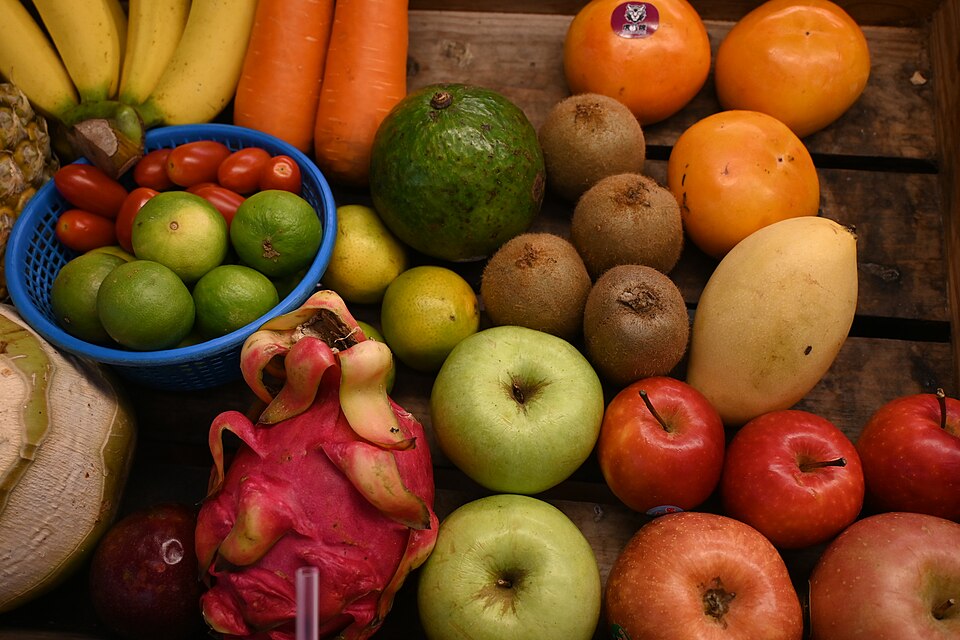
Eating one avocado and a cup of mango every day for eight weeks improved blood vessel function and reduced diastolic blood pressure in adults with prediabetes, according to a new study from the Illinois Institute of Technology.
The key measure was flow-mediated dilation, or FMD, which reflects how well blood vessels expand in response to increased blood flow. Participants in the avocado-mango group saw their FMD rise to 6.7%. In the control group, it fell to 4.6%. That gap points to meaningfully better vascular health in those eating the fruit combination.
The blood pressure benefits were most pronounced in men. Male participants in the control group saw central blood pressure rise by an average of 5 mmHg over the study period. Men eating avocado and mango daily saw a reduction of about 1.9 mmHg. Crucially, these changes occurred without any shifts in calorie intake or body weight, suggesting the fruits themselves drove the results rather than weight loss.
The study was funded by the National Mango Board and the Hass Avocado Board, a conflict of interest the researchers disclosed and one that nutrition experts say should factor into how the findings are read.
Karen E. Todd, a registered dietitian nutritionist at The Supplement Dietitian, said the results are promising but not a prescription. "The study fits with what we already know about diet quality and heart health," she told Healthline. "The intervention also increased intake of fruit, fiber, vitamin C, and monounsaturated fat, which are all consistent with a more heart-supportive eating pattern." Todd was not involved in the research.
She pointed to specific nutrients in each fruit as likely drivers of the benefit. Mango brings vitamin C, potassium, and fiber. Vitamin C acts as an antioxidant and supports blood vessel integrity. Potassium helps regulate blood pressure. Fiber supports cholesterol and blood sugar control. Avocado contributes monounsaturated fats, the kind associated with reduced cardiovascular risk.
Todd emphasized that the results reflect what can happen when lower-quality foods are replaced with nutrient-dense ones. The fruit combination works, she said, as part of a broader pattern of eating, not as an isolated fix. The findings do not mean that adding mango and avocado to an otherwise poor diet would produce the same results.
Prediabetes affects tens of millions of Americans and significantly raises the risk of developing type 2 diabetes and cardiovascular disease. Interventions that improve heart health markers in this population without requiring medication or dramatic calorie restriction carry real clinical interest, even as researchers call for larger and independently funded trials to confirm the findings.