A daily low-dose aspirin regimen probably does not reduce the risk of colorectal cancer, at least not within the first 15 years of use, according to a large-scale analysis published in the Cochrane Database of Systematic Reviews.
Researchers analyzed data from 10 randomized controlled trials involving more than 120,000 participants, most of them in North America and Europe. The studies compared aspirin and other nonsteroidal anti-inflammatory drugs against no treatment or alternative treatments for preventing colorectal cancer or colorectal adenoma. Most trials used low-dose aspirin in the range of 75 to 100 milligrams per day, though three studies tested higher doses.
The findings were mixed and, by the researchers' own account, uncertain. Daily aspirin use may increase deaths from colorectal cancer in the short term, the analysis found, while potentially reducing them after 15 years. The researchers said they were "not confident" in either conclusion. On the question of whether aspirin might offer some preventive benefit over a longer time horizon, they expressed similar caution.
What the researchers were clearer about was the harm side of the ledger. Daily aspirin use was associated with an increased risk of bleeding outside the skull and bleeding in and around the brain. Those findings add to an established body of concern about long-term aspirin use in people without a specific medical need for it.
"It is not possible to draw definitive conclusions or outline specific implications for the routine use of aspirin for colorectal cancer primary prevention based on the current evidence," the researchers wrote. "Our findings reveal complex, time-dependent preventive effects and concerns about potential harms for clinicians and patients to consider."
Ketan Thanki, a colorectal surgeon at the MemorialCare Todd Cancer Institute at Long Beach Medical Center in California, said the study delivered a clear practical message. "This study demonstrates limited, if any, protective benefit from aspirin on risk of developing colorectal cancer in the general population," Thanki told Healthline. "With the known potential complications of long-term aspirin use, I would recommend that people don't take daily aspirin solely with the intent of reducing your risk of developing colorectal cancer."
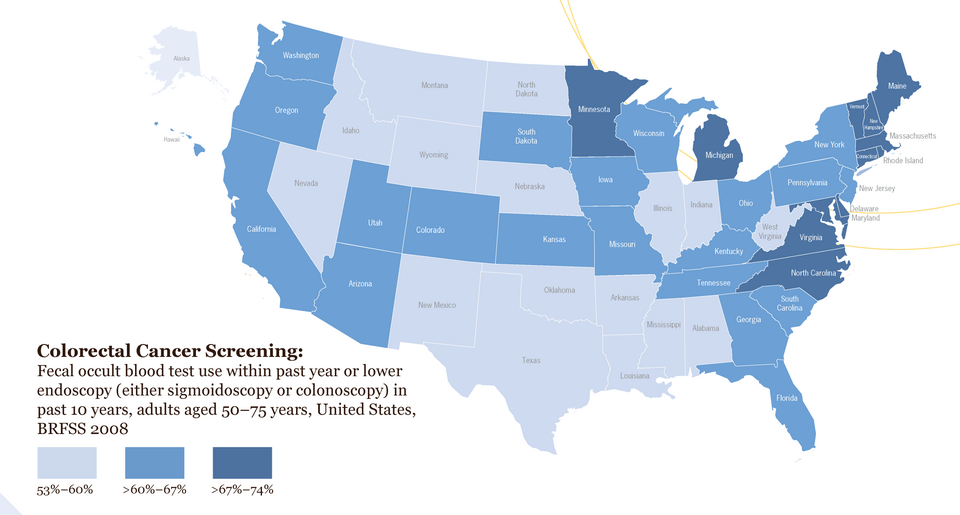
Experts point to lifestyle changes as more reliable tools for lowering colorectal cancer risk. Those include eating a plant-based diet, limiting alcohol consumption, and exercising daily. Regular colorectal cancer screening, which can detect precancerous polyps before they develop into cancer, remains one of the most effective prevention strategies available.
The April 1 publication was an update to a previous study the same research team released in February.