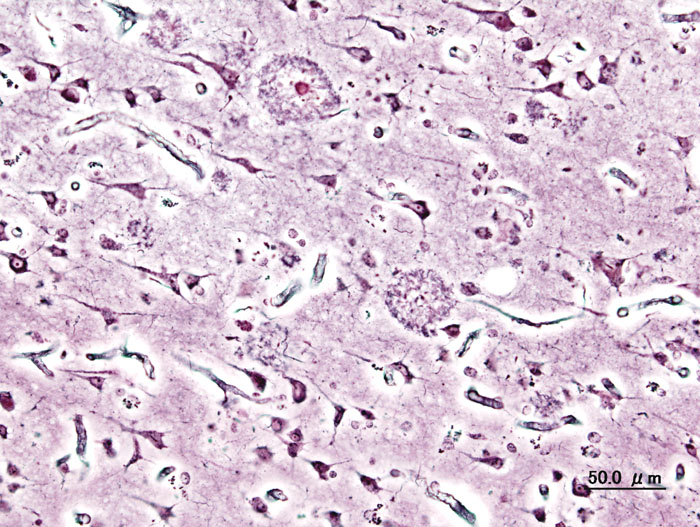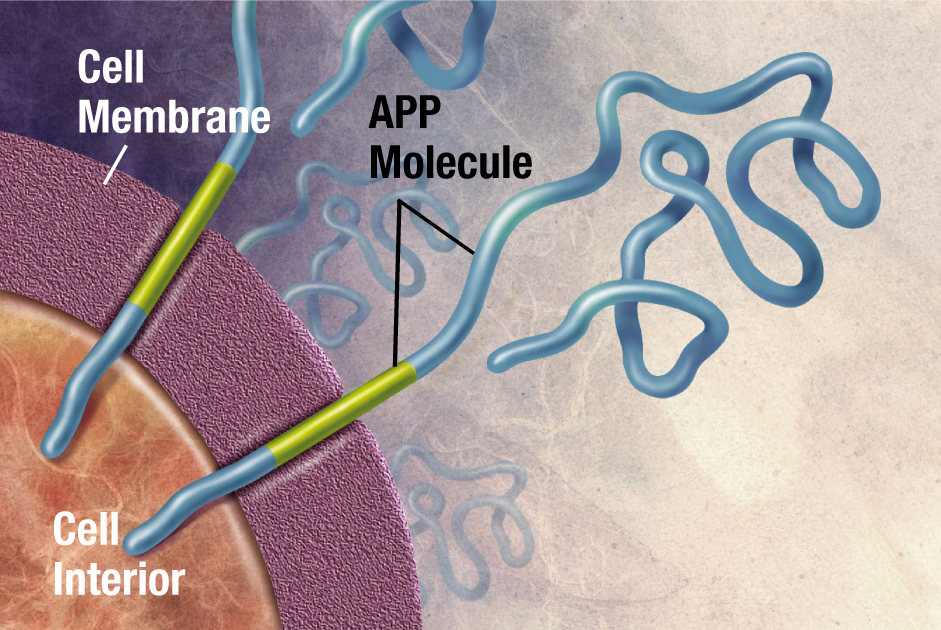
Drugs designed to clear amyloid protein from the brain, once the leading hope for slowing Alzheimer's disease, do not produce meaningful improvements for patients and may cause brain harm, according to a sweeping new analysis published by the Cochrane collaboration.
The review pooled data from 17 clinical trials involving 20,342 participants, all of whom had mild cognitive impairment or early-stage Alzheimer's dementia. That focus on early-stage disease was deliberate: researchers have long argued that targeting amyloid before symptoms worsen offers the best chance of slowing progression.
Despite that logic, the evidence did not support it. The review found that anti-amyloid drugs had either no effect or an effect so small it fell below the threshold considered meaningful in clinical practice. Patients taking these drugs showed no significant improvement in memory decline or dementia severity compared to those who did not.
"Unfortunately, the evidence suggests that these drugs make no meaningful difference to patients," said lead author Francesco Nonino, a neurologist and epidemiologist at the IRCCS Institute of Neurological Sciences of Bologna, Italy. "It is common for trials to find statistically significant results that do not translate into a meaningful clinical difference for patients."
That distinction matters. Several trials in the dataset produced results that were statistically significant, meaning they were unlikely to have occurred by chance. But statistical significance is not the same as clinical relevance. A measurable change on a scale does not always correspond to a change a patient or caregiver would actually notice in daily life.
The safety findings added urgency to the review's conclusions. Anti-amyloid drugs were linked to higher rates of brain swelling and bleeding, a condition researchers call amyloid-related imaging abnormalities, or ARIA. In many cases these changes showed up only on brain scans and produced no obvious symptoms. But the long-term consequences of these changes remain unknown, partly because symptom reporting varied widely across the trials studied.
The amyloid hypothesis has dominated Alzheimer's research for decades and attracted enormous investment from pharmaceutical companies and government funding agencies. Drugs like lecanemab and donanemab, both recently approved by the FDA, are designed around this approach. The Cochrane review does not name specific drugs but covers the class as a whole.
Based on its findings, the review concludes that continuing to focus on amyloid removal as the primary treatment strategy is unlikely to deliver meaningful patient benefit. That conclusion will intensify an already active debate in the neuroscience community about where Alzheimer's research should turn next, with some scientists pointing toward tau proteins, neuroinflammation, and vascular factors as more promising targets.
For patients and families navigating early-stage Alzheimer's diagnoses, the review offers a sobering but important update on the current state of treatment options.