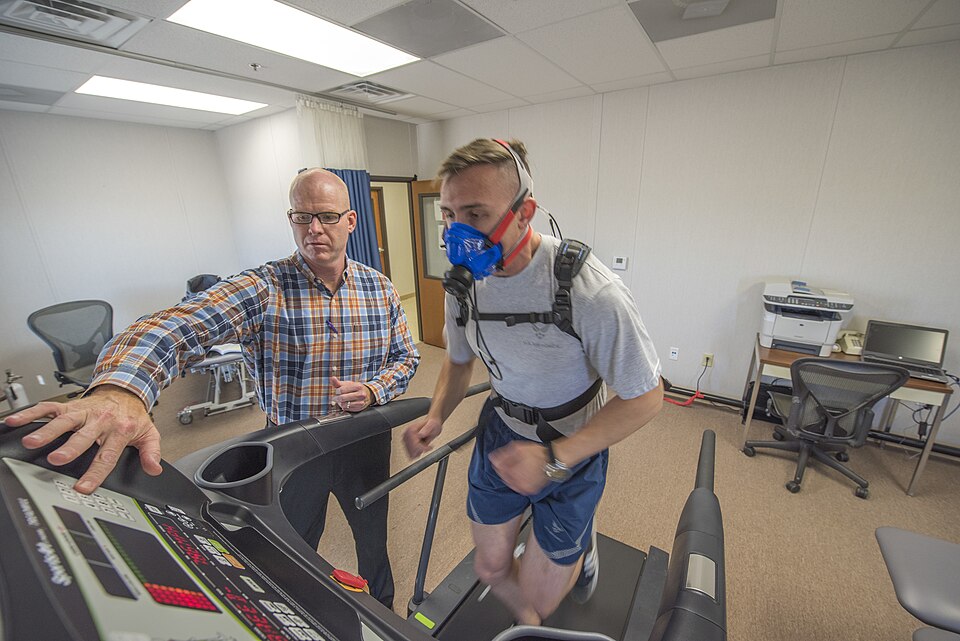
A new study published in the Journal of the American College of Cardiology found that adults who were more physically fit in midlife not only lived longer, but spent more of those years free from serious illness than their less fit peers.
The research tracked 24,576 adults, 25% of them women, drawn from the Cooper Center Longitudinal Study. All participants were 65 or younger and considered healthy at enrollment. Researchers measured their cardiorespiratory fitness using treadmill tests before age 65, then followed their health outcomes through Medicare data.
Cardiorespiratory fitness refers to how efficiently the heart and lungs deliver oxygen to muscles during physical activity. The study tracked 11 major chronic conditions to determine each participant's health trajectory over time.
The results broke down along clear lines. Men with higher fitness levels had a 3% longer lifespan, a 2% longer health span, and 9% fewer chronic diseases compared to those with the lowest fitness levels. Women showed similar patterns.
Robert Glatter, an attending physician in the Department of Emergency Medicine at Lenox Hill Hospital in New York City, was not involved in the study but said the findings align with a long record of research. "The findings are very much in line with decades of research showing that cardiorespiratory fitness is one of the strongest markers of long-term health," Glatter told Healthline. He added a note of caution: people with higher fitness may have also benefited from better diets, less smoking, or more consistent access to medical care.
The study draws a distinction between lifespan, which measures how long a person lives, and health span, which measures how many of those years are lived without major chronic illness. The data suggest that higher fitness improves both, not just longevity.
Cheng-Han Chen, a board-certified interventional cardiologist and medical director of the Structural Heart Program at MemorialCare Saddleback Medical Center in Laguna Hills, California, said the study reinforces what cardiologists have long recommended. "This study confirms our understanding of cardiorespiratory fitness as a marker of future health outcomes, and should encourage all of us to make physical activity a part of our daily lives," Chen said.