Nicole Kidman told two separate audiences recently that she has begun training to become a death doula, a role she said she felt called to after watching her mother die in 2024.
Kidman first raised the topic during an appearance at the University of San Francisco, where she spoke as part of the university's Silk Speaker Series in conversation with journalist Vicky Nguyen, according to the San Francisco Chronicle. She later expanded on the decision at a HISTORYTalks event in Philadelphia.
"As my mother was passing, she was lonely and there was only so much the family could provide," Kidman said at the San Francisco event. "And that's when I went, 'I wish there was these people in the world that were there to sit impartially and just provide solace and care.'"
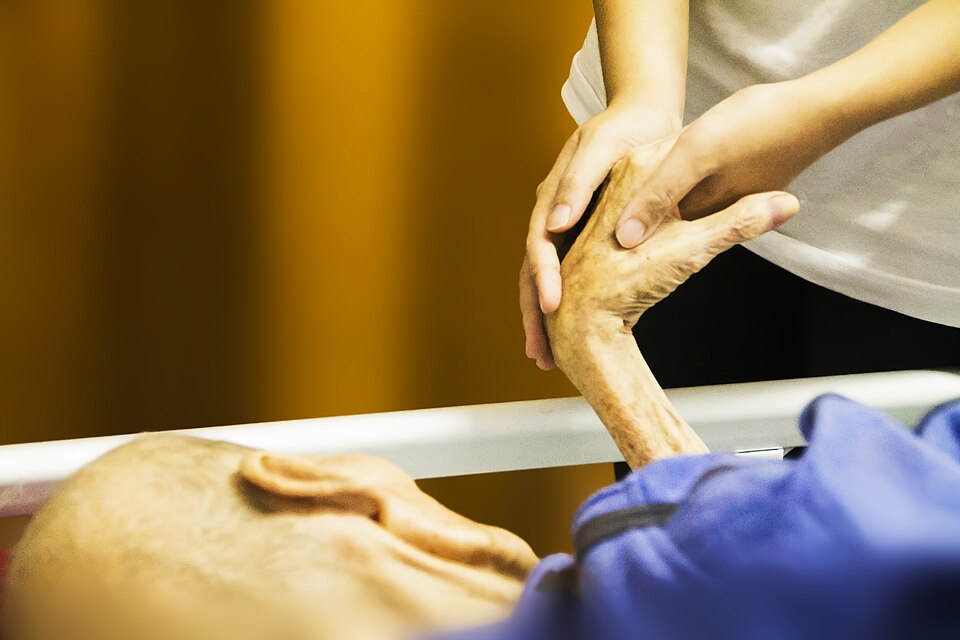
Death doulas, sometimes called end-of-life doulas, are nonmedical companions who provide emotional, practical, and spiritual support to people nearing death and to their families. The International End of Life Doula Association defines the role as providing "psychosocial, emotional, spiritual, and practical care to empower dignity throughout the dying process." They do not administer medical treatment and are not licensed healthcare professionals, though they often work alongside hospice and palliative care teams.
The work can include sitting with someone in their final hours, helping families navigate difficult conversations, or assisting with practical end-of-life planning. The role has grown in visibility in recent years as more people look for support that falls outside what doctors and nurses typically provide.
At the Philadelphia event, Kidman acknowledged that the announcement surprised some people. "I did this talk recently where I said I'm expanding into learning to be a death doula, which seemed to have people confused or intrigued," she said, according to The Hollywood Reporter. She added that the work requires a particular kind of temperament. "You have to be a certain personality to be able to do it. But I found out that I'm actually that personality."
Kidman framed the pursuit as personally meaningful rather than professionally driven. "There is always suffering, but if there are people there who can help with that, help those final stages be less painful — if you feel the connection in your heart, then that's lovely," she said.
Experts in end-of-life care say public figures who speak openly about death and dying can help normalize conversations that many families avoid until a crisis forces them to engage. Kidman's comments have renewed attention to what death doulas do and why demand for the role is growing.