Men with the most severe forms of infertility appear to face a higher risk of developing colorectal and thyroid cancers, according to a study published in the European Journal of Epidemiology.
Researchers used Swedish national registry data to analyze more than 1.1 million males who became fathers between 1994 and 2014. Of that group, 14,450 fathered children through intracytoplasmic sperm injection, or ICSI, a procedure used when a man's sperm count or quality is so poor that standard IVF is not sufficient. When the researchers cross-referenced those men against the national cancer registry, they found a significantly elevated risk of thyroid and colorectal cancer among the ICSI group compared to men who conceived without assisted reproduction.
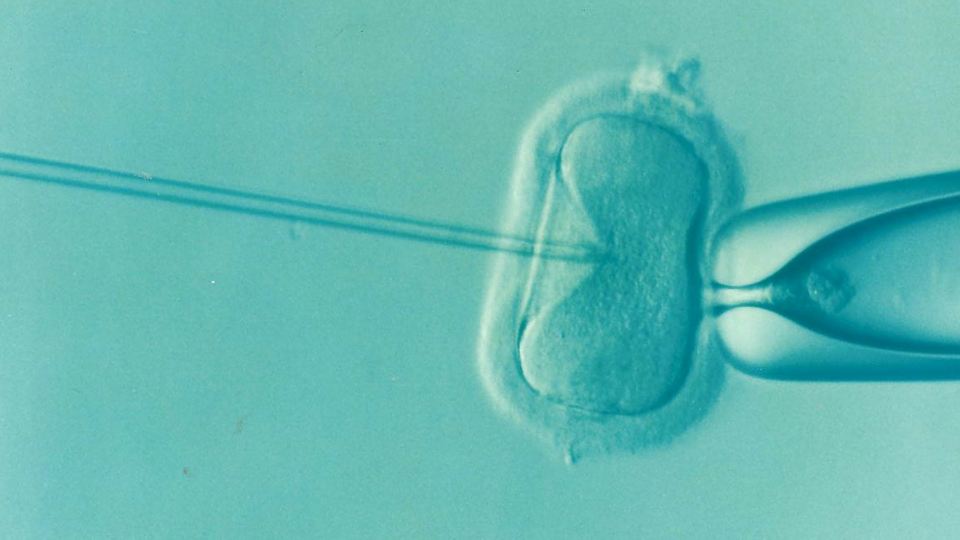
ICSI involves injecting a single sperm directly into an egg and is generally reserved for the most severe cases of male infertility. The researchers were careful to note that neither the ICSI procedure itself nor the fertility treatment more broadly is believed to cause cancer. The elevated risk appears tied to the underlying condition, not the intervention used to treat it.
"This research does not show that use of ICSI causes infertility," said Dr. S. Adam Ramin, a urologic oncologist and medical director of Urology Cancer Specialists in Los Angeles, who was not involved in the study. "It merely indicates that men who have very severe infertility, meaning those who need ICSI rather than in vitro fertilization, are at higher risk of these cancers."
Ramin told Healthline the most plausible explanation involves shared genetic factors. "The proposed relationship may be genetic mutations that predispose to cancer but also cause infertility," he said. The study itself points to the scale of genetic involvement in reproduction, noting that more than 2,300 genes play a role in reproductive function. That breadth makes it biologically plausible that certain mutations could simultaneously impair fertility and raise cancer risk.
Lifestyle factors also play a role. Smoking, heavy alcohol use, obesity, and physical inactivity can all reduce semen quality and independently raise cancer risk, which means some of the elevated risk in the study group could reflect shared behavioral patterns rather than genetics alone.
The research adds to a growing body of evidence linking male infertility to broader health risks beyond reproduction. Previous studies have connected male infertility to increased rates of cardiovascular disease, diabetes, and cancers of the testes and prostate. The new findings extend that picture to non-reproductive cancers.
Around one in six people will experience infertility at some point in their lives, according to the World Health Organization. The study's authors say the findings suggest that men with severe infertility may benefit from closer health monitoring, though they stop short of recommending specific screening protocols.