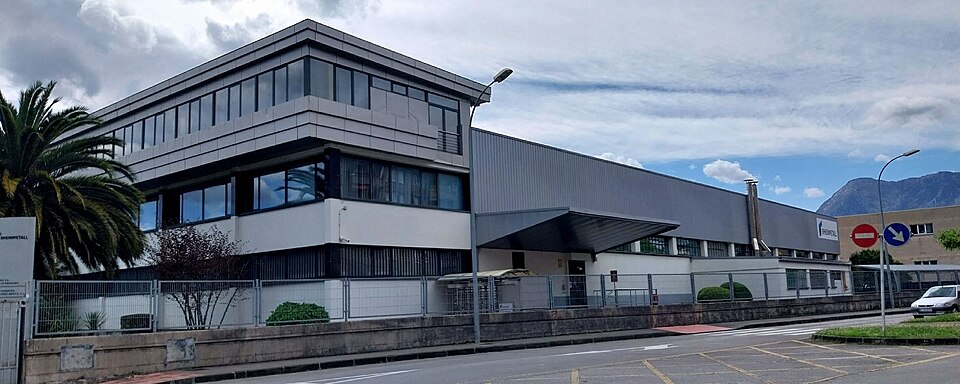
Germany's defense giant Rheinmetall is seeing surging demand for air defense systems and ammunition as wars in Ukraine and the Middle East continue to grind on, the company's chief executive said in an interview with Bloomberg on May 8. Armin Papperger backed President Donald Trump's call for European nations to take greater responsibility for their own defense, and said Germany's plans to significantly scale up military spending are well timed given the current global environment.
Papperger's comments came as Germany is in the middle of a broad effort to rebuild and expand its armed forces after years of underinvestment. The wars in Ukraine and the Middle East have driven sharp increases in orders for German-made weapons systems and munitions, and Rheinmetall has been one of the primary beneficiaries of that shift. Papperger said the demand picture remains strong and shows no sign of slowing.
The optimism from Germany's defense sector, however, is running against a bleaker backdrop for the broader German economy. Industrial production fell unexpectedly in March for the second consecutive month, according to data released May 8, adding to growing concern about the health of Europe's largest economy. Germany has been grappling with sluggish demand, high energy costs, and the ripple effects of the ongoing conflict involving Iran.
Oil prices climbed back above $100 a barrel on May 8 as the US-Iran ceasefire came under renewed pressure, according to The Guardian. That development has significant implications for European manufacturing, where energy costs have already been elevated for years following Russia's invasion of Ukraine. A sustained return to triple-digit oil prices would add further strain to German factories already dealing with softening orders and weak domestic consumption.
The combination of rising defense output and falling broader industrial production reflects the uneven nature of Germany's economic situation. Sectors tied to rearmament are expanding rapidly, while traditional manufacturers face a squeeze from energy costs, global trade uncertainty, and reduced demand from key export markets. Germany's government has committed to dramatically increasing its defense budget, a move that analysts say will continue to benefit companies like Rheinmetall for years to come.
Papperger's endorsement of Trump's position on European defense burden-sharing is notable given the diplomatic sensitivities involved. European leaders have generally pushed back against American pressure to spend more on defense, though several NATO members have quietly accelerated their own military budgets in recent months. Papperger's alignment with the Trump administration's stance suggests that at least in the German defense industry, the call for greater European self-reliance is seen as an opportunity rather than a rebuke.
Germany's industrial output data will likely add pressure on policymakers in Berlin to provide additional economic support even as they direct record sums toward defense. The March decline was described as unexpected by analysts, suggesting that forecasters had anticipated at least a modest recovery after a weak February. Two consecutive monthly drops in industrial production in Europe's largest manufacturing economy are typically seen as a warning sign worth monitoring closely in the months ahead.