Daniel Phan was lying in an Atlanta ICU, his heart failing, surgery days away, when he and his girlfriend Julia decided they did not want to wait any longer to get married.
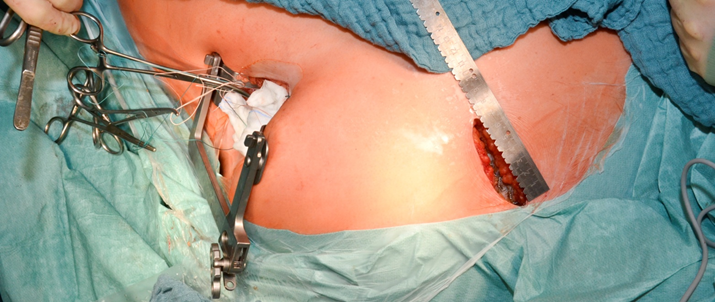
The two wed in the hospital. Shortly after, Phan received a left ventricular assist device, a mechanical pump implanted to take over the work his heart could no longer do on its own.
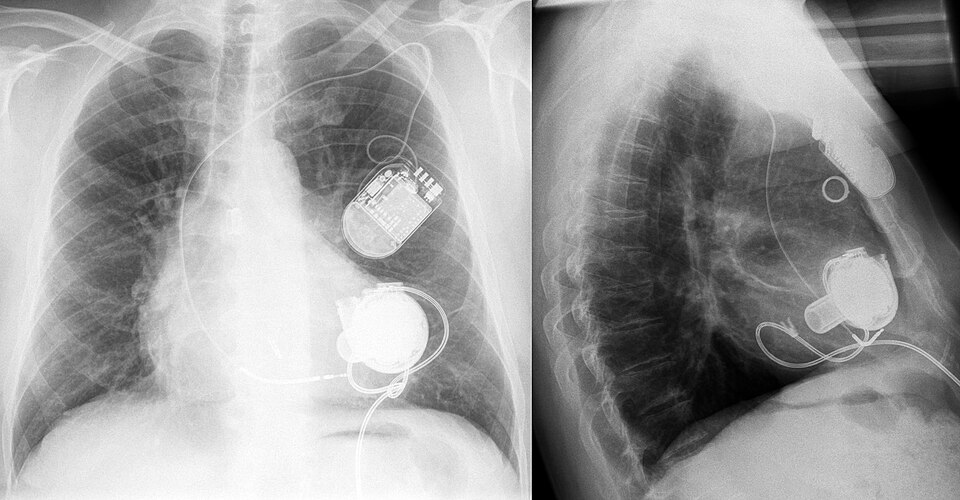
Phan, now 33, was diagnosed with hypertrophic cardiomyopathy at age 11. The condition, caused by a genetic mutation his mother carried, causes the heart muscle to grow too thick to pump blood effectively. His older sister has the same condition. After his diagnosis, Phan received a pacemaker and was excluded from youth sports, a period he described as a difficult time. He turned to playing guitar and drums and moved through high school without any major cardiac events.
Problems returned in his early 20s, when he collapsed several times after over-exerting himself during exercise. Then in 2024, arrhythmias began occurring without any physical trigger at all.
On January 15, 2025, he was sitting on his couch watching television when the worst episode hit. "It was the worst one. I was super dizzy, threw up everywhere, my heart wouldn't calm down…so I called 911, and they showed up, and I ended up in the ER for a week in Gainesville Northeast Georgia," he told Healthline.
From there, Phan was transferred to Piedmont Heart in Atlanta, where he initially hoped to receive a heart transplant. That path was not available to him. Instead, surgeons implanted an LVAD.
Sagar Damle, a cardiothoracic surgeon at Piedmont Heart, explained how the device works. "In a nutshell, it effectively functions as the patient's own left ventricle," Damle told Healthline. The pump draws blood from the left ventricle and pushes it into the aorta, compensating for a heart too weak to do that on its own. LVADs are typically considered when heart failure stops responding to medication, and patients are experiencing severe symptoms including shortness of breath, fatigue, and exhaustion at rest or with minimal activity.
Phan and Julia's story began long before his hospitalization. They met as children after his parents hired Julia's mother to work at their nail salon. "We were the same age. I went to her house when I was, like, eight years old, not knowing she was going to be my future wife," Phan said. They drifted apart, reconnected on Facebook after college in 2014, but did not begin dating until 2023. He made the first move after noticing a concert photo on her profile. "I reached out because I saw [on Facebook] that she was at a concert and I love concerts, so I asked her if she wanted to go to a concert with me," he said. "And that's how it started."
About a year into dating, they began discussing marriage. Then Phan's health collapsed.
The ICU wedding took place days before his LVAD surgery, with hospital staff helping make it possible. Phan is now recovering with the device in place.