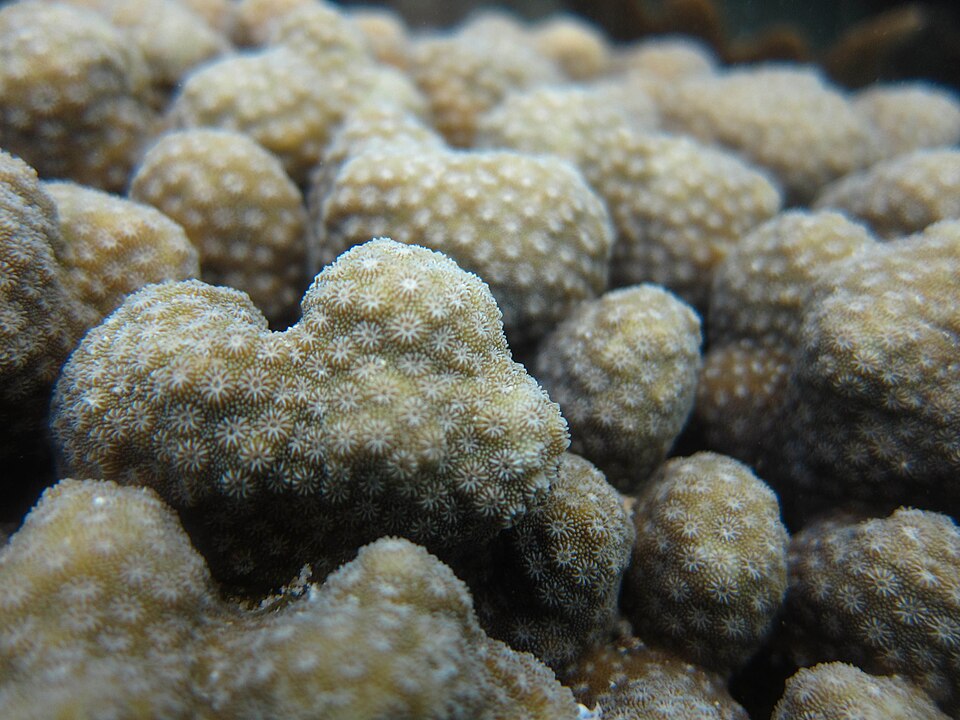
Researchers examining coral reefs across the Pacific Ocean have found a vast and almost entirely unstudied world of microbes living inside them, many of which produce chemical compounds that scientists say could have significant uses in medicine and biotechnology.
The international study, which included scientists from the University of Galway and was published in Nature, reconstructed the genomes of 645 microbial species from samples collected across 99 coral reefs spanning 32 Pacific islands. More than 99% of those species had never been genetically described before.
The microbes are not passive residents. Researchers found they act as specialized chemical factories, producing what are called bioactive compounds, substances that can influence biological processes in living organisms. The coral-associated bacteria in the study were found to contain a wider range of biosynthetic gene clusters, the genetic instructions cells use to manufacture natural compounds, than has been recorded anywhere else in the ocean.
Scientists have long known that coral reefs support a remarkable proportion of marine life, often comparing them to tropical rainforests on land. Reefs cover a small fraction of the ocean floor but support roughly one third of all visible marine species. What this study revealed is that a significant layer of that biodiversity exists at a scale too small to see, and it has been almost entirely overlooked.
Dr. Maggie Reddy of the Ryan Institute at the University of Galway put the knowledge gap in concrete terms. "When we compared our findings with microbes found on other reef species, it became clear how little we still know. Of more than 4,000 microbial species identified, only 10% have any genetic information available, and fewer than 1% of the species found only in the Tara Pacific samples have been studied at all. This shows a major gap in our understanding and underlines the need for much more biodiversity surv," she said.
The samples were gathered with the support of the Tara Pacific consortium, a large-scale ocean research initiative that has conducted extensive sampling of Pacific ecosystems. The coral microbiome work represents one of the most comprehensive analyses of reef microbiology undertaken to date.
Researchers emphasized that the potential medical value of these findings is directly tied to the survival of the reefs themselves. Coral ecosystems are under accelerating pressure from warming ocean temperatures, acidification, and pollution. Many of the microbial species identified in this study exist in coral environments and nowhere else, meaning their loss would be permanent.
The discovery adds a new dimension to conservation arguments that have typically focused on visible species like fish, sharks, and the coral structures themselves. The invisible layer beneath, scientists now say, may prove to be where medicine's next compounds are found.
The study's authors called for expanded biodiversity surveys to document reef microbiomes before more are lost.