Hantavirus has drawn renewed public attention following recent deaths linked to the disease, but health officials say the virus does not carry the characteristics needed to fuel a pandemic, according to a report by The Hill.
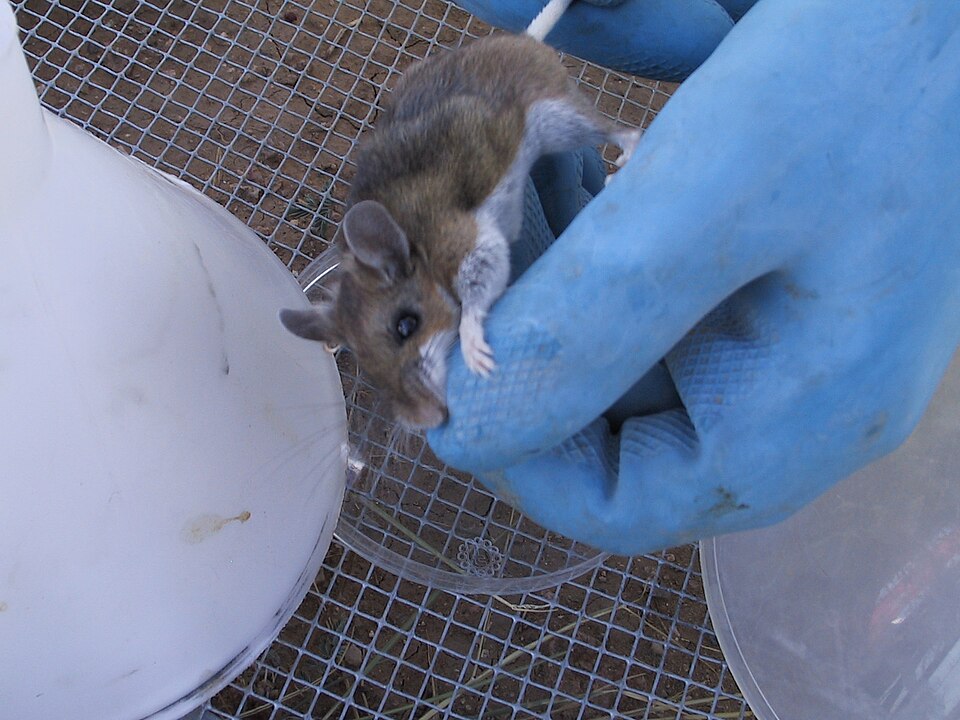
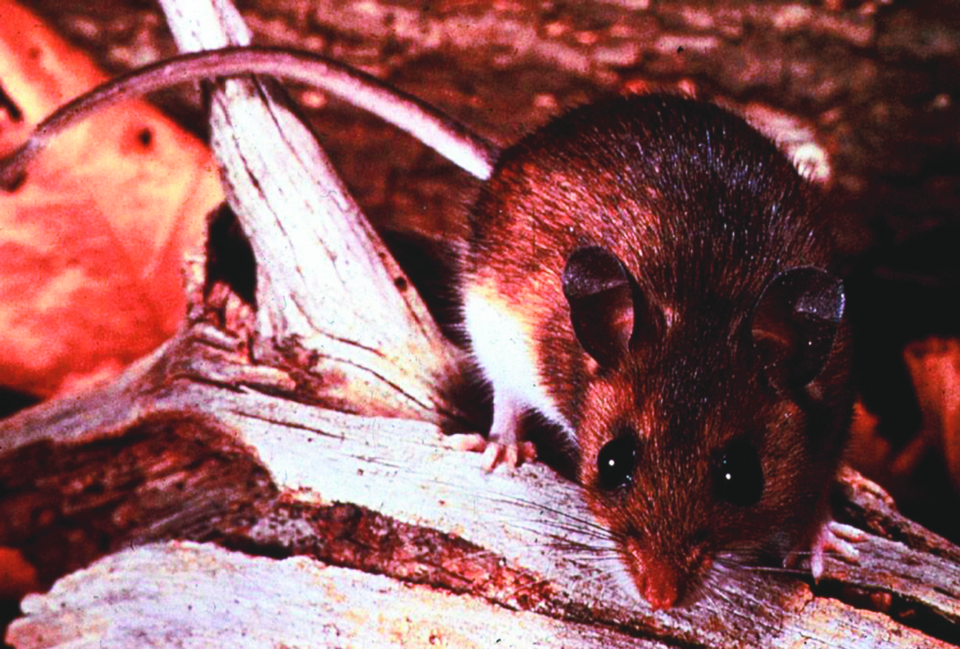
The central reason is transmission. Unlike influenza or COVID-19, hantavirus does not spread from person to person. People contract it primarily through contact with infected rodents, their droppings, urine, or saliva. In the United States, the deer mouse is the most common carrier. A person can become infected by breathing in dust contaminated with rodent waste, handling infected animals, or being bitten.
Because human-to-human transmission is not how the virus moves, health officials say the conditions necessary for a pandemic simply are not present. A pandemic requires a pathogen capable of spreading efficiently between people across wide geographic areas. Hantavirus, as currently understood, does not meet that threshold.
Hantavirus pulmonary syndrome, the severe respiratory illness the virus can cause in North America, carries a high fatality rate. Roughly 40 percent of people who develop the syndrome die from it. However, the total number of confirmed cases in the United States remains relatively small. The Centers for Disease Control and Prevention has recorded several hundred cases since the virus was first identified in the early 1990s.
The virus gained widespread public attention in 1993 after an outbreak in the Four Corners region of the American Southwest sickened and killed a number of previously healthy young people. That outbreak led researchers to identify the deer mouse as the primary reservoir for Sin Nombre virus, the strain responsible for most North American cases.
Health officials continue to advise the public to take precautions in areas where rodents are present, particularly when cleaning enclosed spaces such as cabins, barns, or sheds that may have been vacant for extended periods. Wearing gloves and masks and ventilating spaces before cleaning are among the recommended steps.
While hantavirus remains a serious illness for those who contract it, officials maintain that its limited transmission pathway keeps it in a different category from pathogens that have historically driven global health emergencies. Surveillance of rodent populations and monitoring of human cases continue as part of ongoing public health efforts.