The Dutch-flagged m/v Hondius left southern Argentina on April 1 carrying roughly 150 passengers and crew on an Antarctic expedition cruise. Eleven days into the voyage, a 70-year-old man died after developing fever, headaches, and abdominal pain. By the time the ship reached the Spanish island of Tenerife, several more passengers had fallen ill and international health investigators had identified the vessel as the site of a hantavirus outbreak.
As of May 12, the World Health Organization confirmed 11 cases linked to the ship and three deaths: a Dutch married couple and a German national. All remaining passengers have disembarked and are being returned to their home countries, according to a statement from the ship's operator, Oceanwide Expeditions.
The United States airlifted 18 American passengers out of Tenerife on May 10. Two of those passengers are being treated in biocontainment units, according to the Health and Human Services department's official account. One tested positive for hantavirus while the other developed mild symptoms. The remaining 16 Americans are receiving care at an ASPR Regional Emerging Special Pathogen Treatment Center in Omaha, Nebraska, with two more at a similar facility in Atlanta, Georgia.
News of the airlift and biocontainment treatment fed widespread concern about another pandemic, but infectious disease experts pushed back on those fears. According to Healthline, Lina Moses, PhD, an epidemiologist and disease ecologist at Tulane University's Celia Scott Weatherhead School of Public Health and Tropical Medicine, said the situation was being handled well.
"I think we're actually in very good shape," Moses said. She added that the rising case count was not a cause for alarm. "It's not surprising we're starting to see more suspected cases. That means that the process is working right. They are monitoring people effectively and identifying people as they become ill," Moses told Healthline.
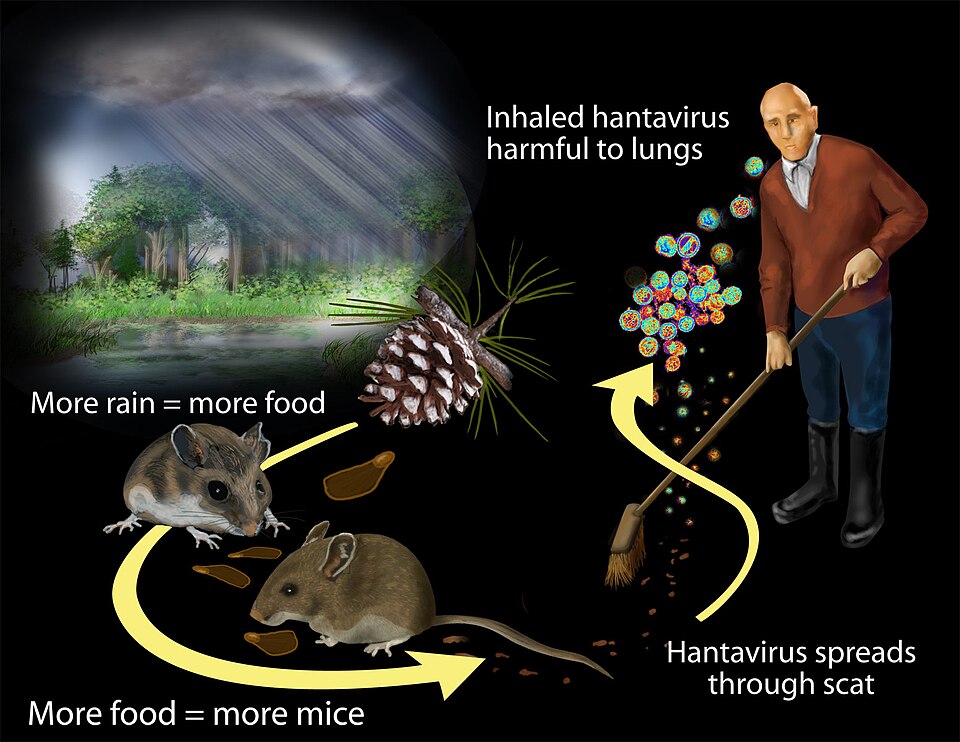
Investigators believe the Andes virus strain, a rare variant of hantavirus, may have spread among passengers in the ship's close quarters. That detail matters because hantavirus is typically transmitted through contact with the urine or droppings of infected mice and rats. The virus can survive in dust and debris, and infection occurs when that contaminated dust is inhaled. Person-to-person transmission is rare but has been documented specifically with the Andes strain, which is what appears to concern investigators in this case.
Moses and other experts stressed that the biology of hantavirus makes a COVID-style pandemic unlikely. The virus does not spread easily between people under normal circumstances, and the outbreak appears contained to a defined group of travelers who shared a specific enclosed environment over a specific period of time.
The Americans being monitored and treated remain under the care of facilities specifically designed for emerging and special pathogens. Health officials said the biocontainment placement of two passengers was taken as a precaution rather than an indication of severe illness in both cases.
The WHO continues to investigate the outbreak. The full passenger and crew manifest from the Hondius is being used to track potential exposures as people return to their respective countries.