Polycystic ovary syndrome, one of the most common hormonal conditions affecting women, has a new name. After more than a decade of global consultation, the condition will now be called polyendocrine metabolic ovarian syndrome, or PMOS.
The name change was announced at the European Congress of Endocrinology in Prague, according to a report by Healthline. Over the past 14 years, 56 academic, clinical, and patient organizations had been campaigning to change the name, arguing it was both misleading and incomplete.
The old name pointed to cysts on the ovaries, but not everyone with the condition develops them. That disconnect created real problems for patients and clinicians alike. Sherry Ross, MD, a board certified OB-GYN and Women's Health Expert at Providence Saint John's Health Center in Santa Monica, California, described the confusion directly.
"Polycystic ovarian syndrome or PCOS has long been a confusing and misleading diagnosis for women that has not properly described this underdiagnosed medical condition," Ross said. "Using the updated name of polyendocrine metabolic ovarian syndrome, or PMOS, gives a more accurate and inclusive name to this medical condition, which affects women far beyond the ovaries."
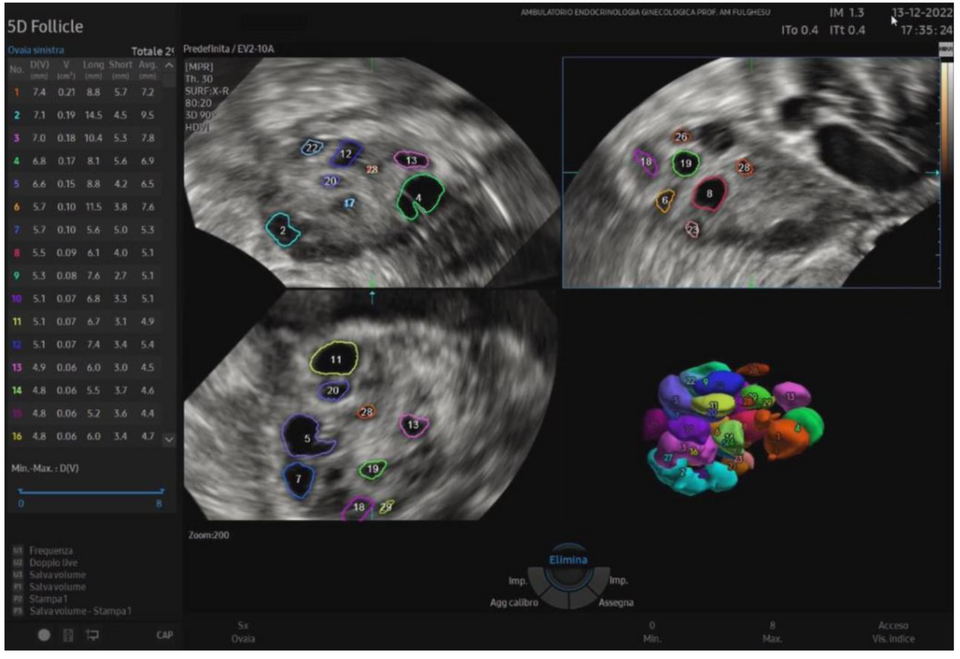
Ross also addressed why the reference to cysts was dropped from the new name. "PCOS has long been linked to polycystic ovaries seen on ultrasound, which is misleading, since [the] ovaries of affected patients can be completely normal. Having normal ovaries does not mean you do not have PCOS, and here lies the confusion," she said.
The new name was built around three specific terms: ovarian, metabolic, and polyendocrine. Those words were chosen deliberately to reflect that the condition affects multiple systems throughout the body, not just the reproductive organs. Steven Vasilev, MD, a gynecologic oncologist and founder of the Lotus Endometriosis Institute in Santa Monica, explained what the shift in language signals to medical providers.
"By putting 'endocrine' and 'metabolic' in the name, PMOS tells clinicians this is a whole-body condition, not just a gynecologic diagnosis," Vasilev said.
The consequences of the old name went beyond confusion. Healthline reported that the misrepresentation contributed to diagnosis delays, fragmentation in care, stigma, and missed opportunities for early intervention related to metabolic and cardiovascular risks.
Ross said the new name changes the foundation on which the condition is understood. "Renaming PCOS to PMOS creates a better backdrop to really understanding this multisystem endocrine condition. PMOS better identifies the patient experience of those who are suffering from the complex symptoms associated with this condition," she said. "PMOS provides more transparency and less confusion for those experiencing symptoms associated with this condition."
The consensus for the new name came after the organizations involved agreed to prioritize accuracy over simply preserving the existing PCOS acronym or adopting a more generic label.