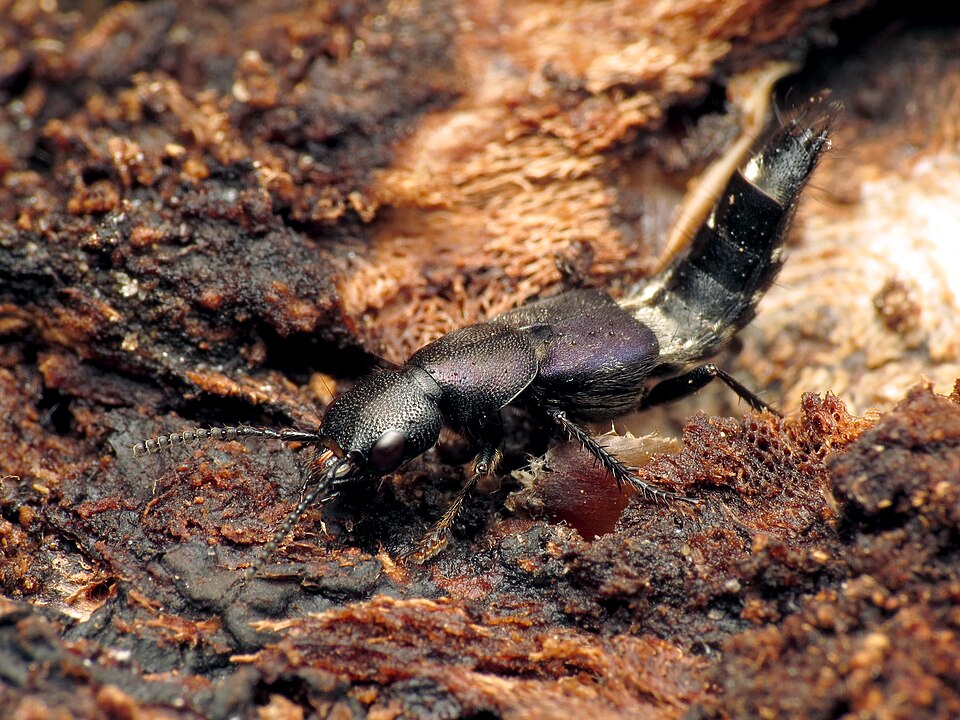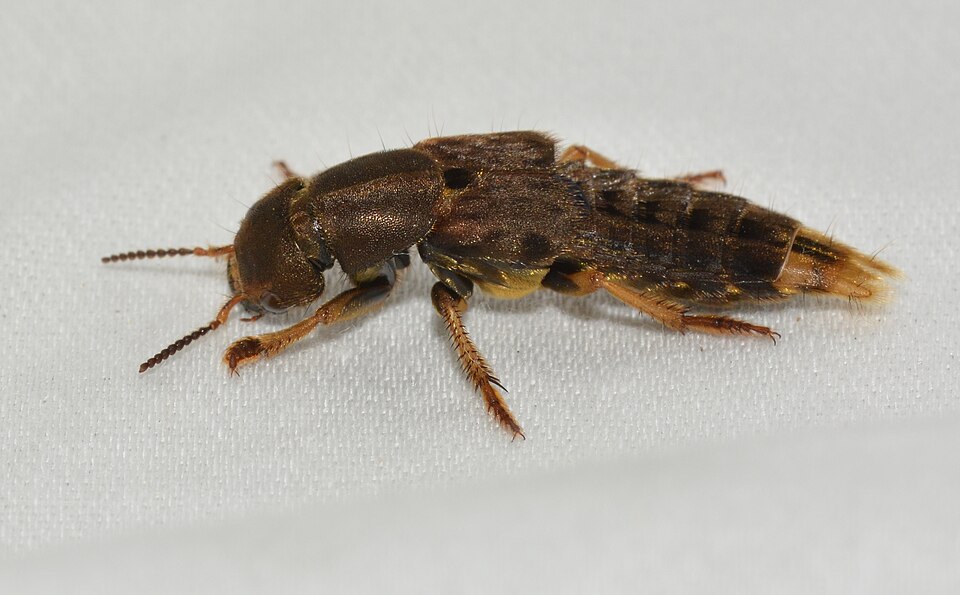
Sixty-one new species of beetles have been identified in China, all of them large, colorful, and visible to the naked eye, yet somehow overlooked by science for decades. The discovery comes from researchers at the Natural History Museum Denmark and was published in the journal Insect Systematics and Diversity.
The newly described species all belong to Platydracus, a genus within the rove beetle family Staphylinidae. The study is the first comprehensive revision of the genus in China, and out of more than 100 species documented, more than half turned out to be previously unknown to science.
What makes the find particularly striking is the size and appearance of these beetles. Platydracus species are often several centimeters long, and many are brightly colored or mimic wasps. These are not microscopic creatures buried in soil or hidden in caves. They have been sitting in nature and in museum collections, largely unidentified, for years.
"It is striking that so many new species can remain hidden among large and colorful beetles. It shows how little we actually know about biodiversity and that even highly visible species can still go unnoticed," said Alexey Solodovnikov, associate professor and curator at the Natural History Museum of Denmark, who served as senior author of the study.
The research was led by Solodovnikov's PhD student Qinghao Zhao, along with postdoctoral researcher Aslak Kappel Hansen. Scientists from the Ottawa Research and Development Center and Shanghai Normal University also contributed to the work.
The study points to a persistent problem in biodiversity science known as the Linnean shortfall, a term for the wide gap between the number of species formally named and described and the actual number of species that exist. Within the rove beetle family alone, around 70,000 species are currently known worldwide, but researchers estimate that figure represents only 20 to 25 percent of the total number of rove beetle species that actually exist in nature.
The numbers become even more stark when applied to insects as a whole. Scientists have described roughly 925,000 insect species, but the true total is estimated to exceed five million. Insects remain the most species-rich animal group on Earth by a significant margin.
The study also found problems with older records. Many previously described species had been documented only once or twice, with little information about their distribution, variation, or ecology. In some cases, species had been incorrectly identified or described based on methods that no longer meet modern taxonomic standards. The researchers used newer examination techniques to correct those errors and sharpen earlier species boundaries.
"Many species were originally described on a very limited basis. With more collected specimens and modern methods of examination, we can now test and refine earlier species delimitations," according to the study's findings, as reported by Phys.org.
The work adds to a growing body of evidence that even well-studied insect groups still hold significant unknowns, and that museum collections, some of which hold specimens gathered over a century ago, remain underexplored scientific resources.