Spain is gearing up with great anticipation for a rare celestial event this August. According to Phys.org, a total solar eclipse will be visible exclusively from parts of Spain, Greenland, Iceland, Russia, and a small portion of Portugal. Spain is preparing to leverage this extraordinary natural phenomenon to promote scientific tourism, drawing visitors away from its famous beaches to its less-traveled countryside.
The August 12 eclipse is particularly significant for Spain as it marks the first total solar eclipse to be fully visible in the country in more than 100 years. In a statement, the Spanish government emphasized that the Iberian Peninsula "will be the only populated place in the world where the total solar eclipse of Aug. 12 can be fully enjoyed."
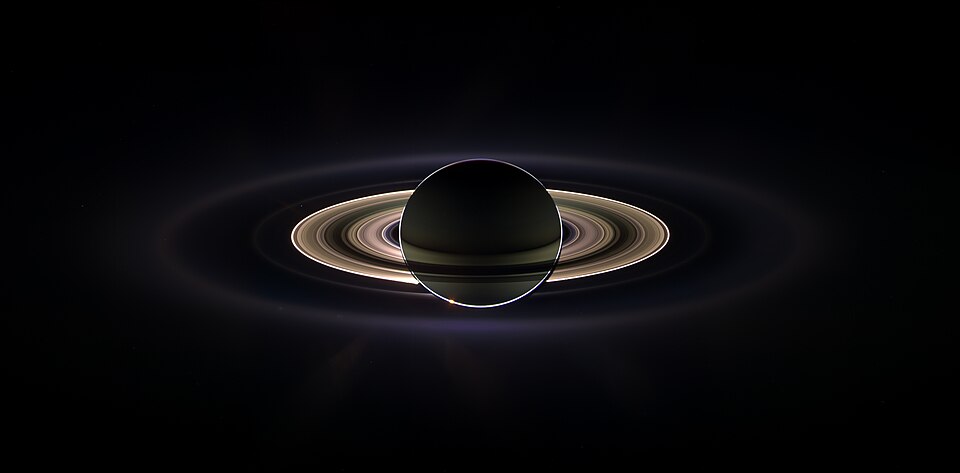
As the moon moves to cover the sun completely, it will briefly darken skies in broad daylight. In Spain, this moment of totality is expected to last just over two minutes, making it a fleeting yet spectacular occurrence. To best monitor this event, authorities have designated the Yebes Observatory, located in the province of Guadalajara, as the central hub for observation. The observatory is a key node in global radio astronomy networks and will play a vital role in tracking and analyzing the eclipse.
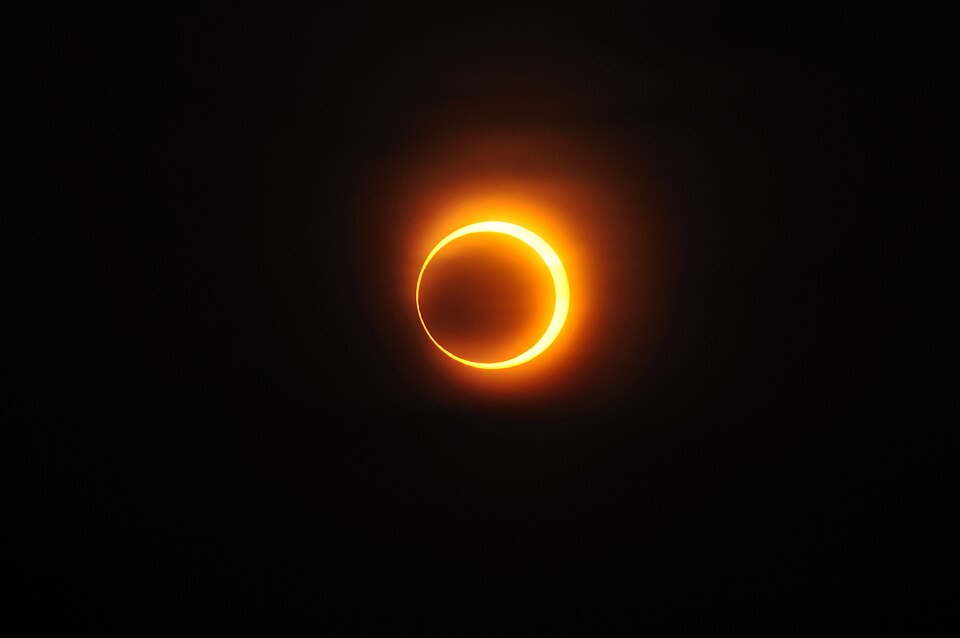
This eclipse represents only the first of a trio of significant solar events that Spain will witness in the coming years. In August 2027, another total solar eclipse will cross southern Spain, notable for its unusually long duration of six minutes. An annular eclipse, where the moon does not entirely obscure the sun, leaving a bright ring, is projected for January 2028.
Accommodation prices in areas likely to experience the eclipse have already surged, reflecting heightened interest and demand from both tourists and astronomy enthusiasts. For instance, in the northeastern city of Teruel, prices for accommodation range significantly, with basic hostels charging around 300 euros while private apartments fetch up to 1,400 euros for a single night. Likewise, in Burgos, available lodging options are scarce, with prices starting at 600 euros and reaching as high as 5,000 euros for luxury apartments.
The city of Teruel has seized upon this opportunity by branding itself as an optimal viewing location, thanks to its open landscapes, clear skies, and low light pollution. The local tourism office has actively promoted these attributes, seeking to attract visitors keen on experiencing the eclipse in natural settings.
With astronomy enthusiasts and tourists from around the world expected to converge in Spain, the total solar eclipse serves as an event of both scientific importance and tourism potential, highlighting the country's strategic efforts to capitalize on cosmic phenomena for cultural and economic benefits.