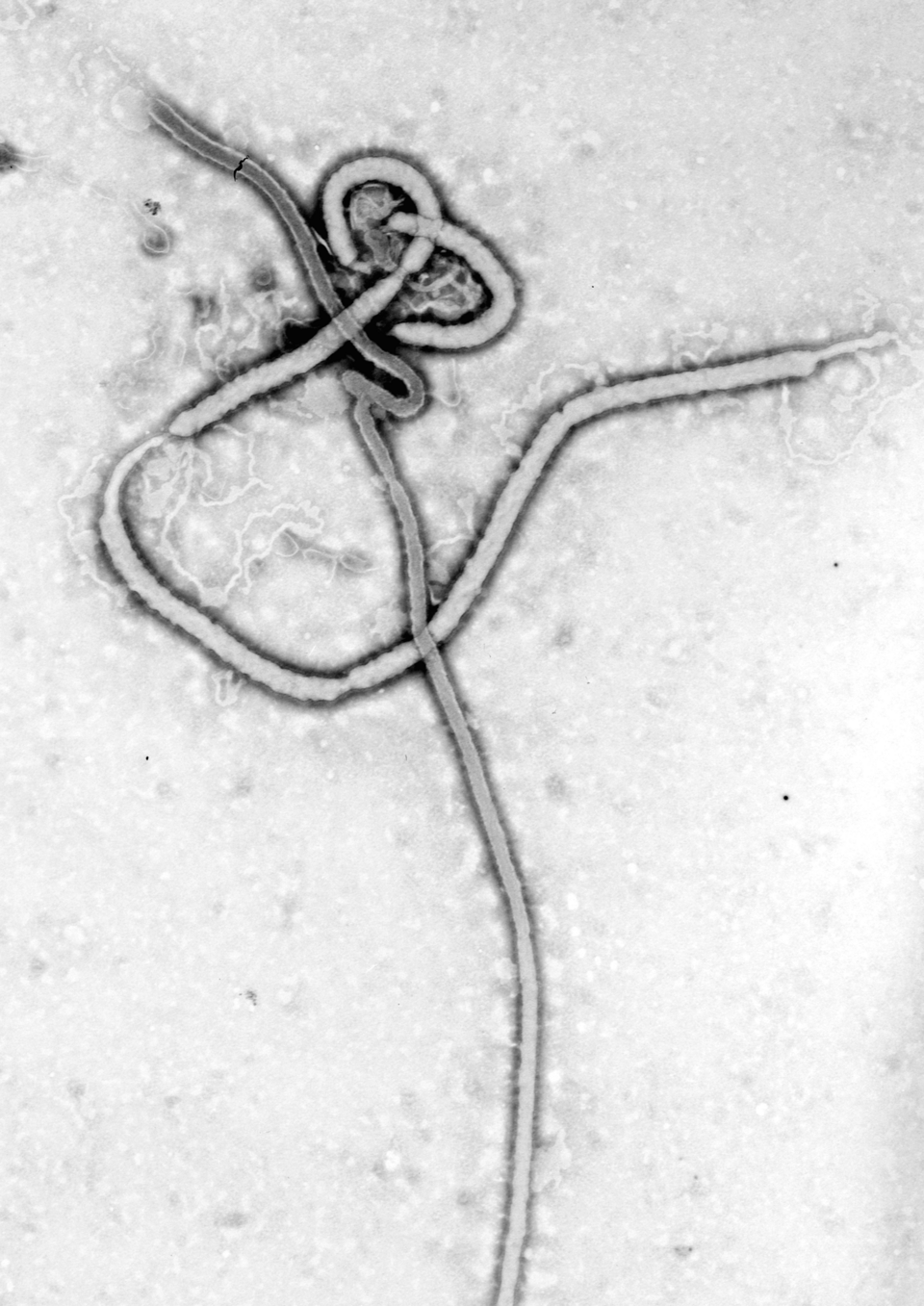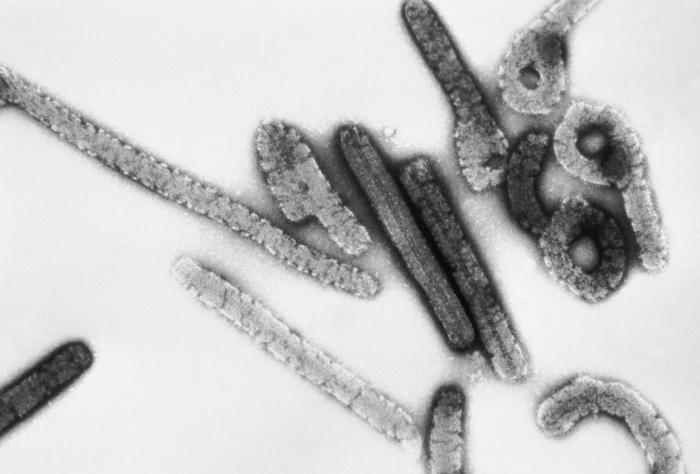
The World Health Organization declared the Ebola outbreak affecting the Democratic Republic of Congo and Uganda a global health emergency, according to a report by Al Jazeera.
The declaration represents the WHO's highest level of international alarm and is intended to trigger a coordinated global response to contain the spread of the virus. The DRC has experienced multiple Ebola outbreaks over the past several decades, but the involvement of neighboring Uganda raises concerns about cross-border transmission.
Ebola is a severe and often fatal illness in humans caused by the Ebola virus. It spreads through direct contact with the blood, secretions, organs, or other bodily fluids of infected people, as well as surfaces contaminated with those fluids. Outbreaks have historically been difficult to contain in regions with limited health infrastructure.
A global emergency declaration by the WHO is designed to mobilize international resources, coordinate surveillance and response efforts, and alert neighboring countries and international health agencies to strengthen border monitoring and preparedness. The designation has previously been used for outbreaks including COVID-19, the 2014 to 2016 West Africa Ebola epidemic, and the mpox outbreak.
The situation in the DRC and Uganda remains active, and international health authorities are monitoring developments as the WHO works with affected governments on containment measures.