

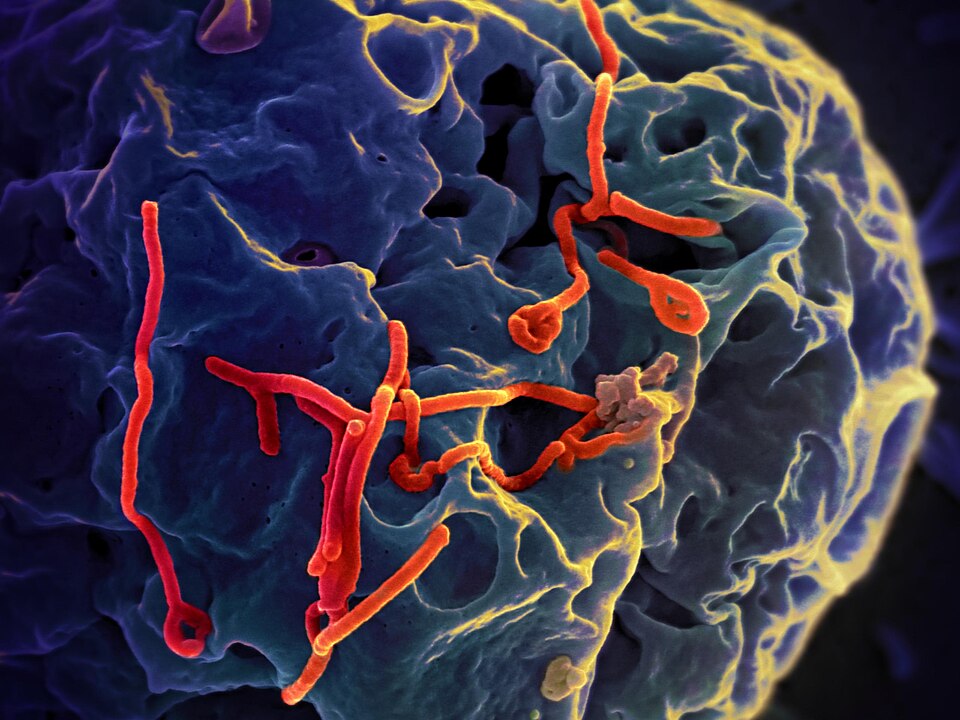
The World Health Organization declared the Ebola outbreak spreading across the Democratic Republic of Congo and into Uganda a Public Health Emergency of International Concern, according to reporting by AP News, the BBC, and The New York Times. The declaration represents the WHO's highest level of alert and triggers an international coordinated response.
The outbreak originated in the DRC before crossing into Uganda, raising alarm among health officials who have watched the virus move across an international border. The WHO issues such declarations only when an outbreak poses a risk beyond the borders of the affected country and requires a coordinated international response.
Ebola is a severe and often fatal illness caused by a virus that spreads through direct contact with the bodily fluids of infected people. Outbreaks have historically been difficult to contain in areas with limited health infrastructure, and the DRC has experienced multiple Ebola outbreaks over the past several decades.
The spread into Uganda adds a layer of urgency to containment efforts, as Uganda shares borders with several other East African nations. Health officials have been working to trace contacts of confirmed cases and deploy vaccines to affected areas.
The WHO's emergency declaration is expected to accelerate international funding and the deployment of medical personnel and supplies to the region. Past emergency declarations, including those for the 2014 West Africa Ebola outbreak, helped mobilize resources that eventually brought the virus under control, though not before significant loss of life.
As of the declaration, health authorities in both countries were working to identify and isolate cases while vaccination campaigns were being organized in affected communities.