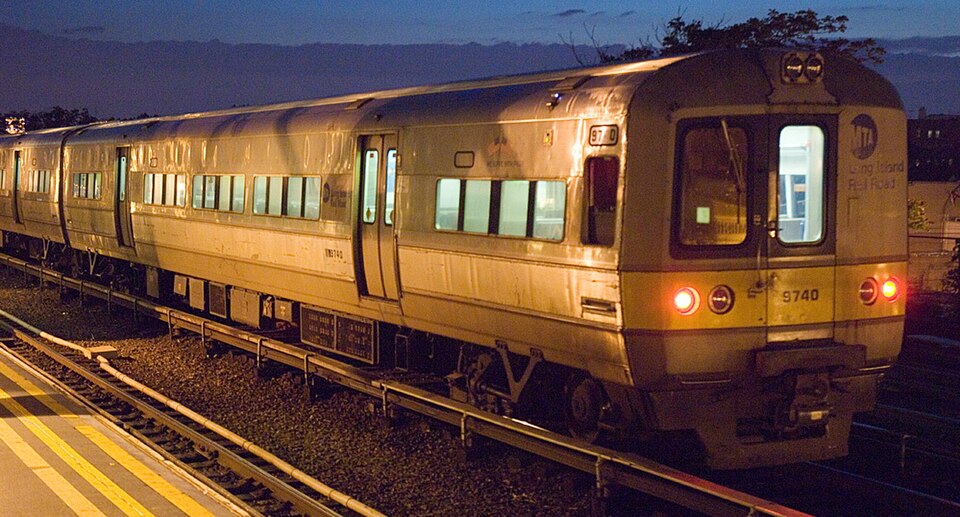
The Long Island Rail Road remained shut down Monday as the strike entered its third day, forcing hundreds of thousands of regular weekday riders onto shuttle buses and packed subway platforms after overnight negotiations produced no agreement.
The National Mediation Board, which handles labor relations for railroads, summoned both sides Sunday night. Talks continued for hours with no deal reached. Both sides returned to the negotiating table at 7:30 a.m. Monday, according to CBS News. A union representative said negotiations were cordial and that some progress was being made. MTA Chairman and CEO Janno described his outlook as "cautious optimism."
The strike is the first at the LIRR in decades. It stems from a dispute over the final year of a four-year contract between the MTA and its unions. According to CBS News, the MTA had agreed to 9.5 percent wage increases but was one percentage point apart from the unions on the fourth year. Then, union sources said, the MTA suddenly proposed raising healthcare contributions for new hires from 2 percent to 10 percent, which broke down talks.
Union representative Raymond Delio described the union's position plainly. "We're looking for a modest raise in our wages," he said. "Health insurance should never be on the table; we work hard enough."
MTA's Lieber pushed back on the union's framing, saying the workers are the highest-paid railway employees in the United States, earning well over six figures. "We are more than willing to meet them halfway in wages. In fact, more than halfway, which is why we put new ideas on the table again and again," he said.
The MTA deployed 275 free shuttle buses from six LIRR stations to Queens to help move passengers. Lieber said turnout was relatively light and that there were more than enough buses to meet the demand. Workers returned to picket lines at LIRR stations Monday.
Commuters described the disruptions in stark terms. A teacher from Copiague, Long Island, who teaches in Brooklyn said he woke up around 2 a.m. to catch a bus by 4:30 a.m. because remote work was not an option. "It's just crazy," he said. "It's an inconvenience." One commuter at Ronkonkoma station noted the particularly bad timing: "It's very inconvenient. Unfortunately or fortunately, I am starting a new job today, so I have to get on the train, I have to go in. Bad day to start a first day of work."
Not all riders were sympathetic to the union. A man met by a CBS News reporter in Jamaica, Queens, said he woke up at 3:30 a.m. to beat traffic. "I think those unions should think about giving a little while asking for some and get back to work. They make more than most people that ride the LIRR every day, and I think they're being greedy about it," he said.
Both sides were back at the bargaining table Monday morning, with the next scheduled update from the National Mediation Board expected later in the day.