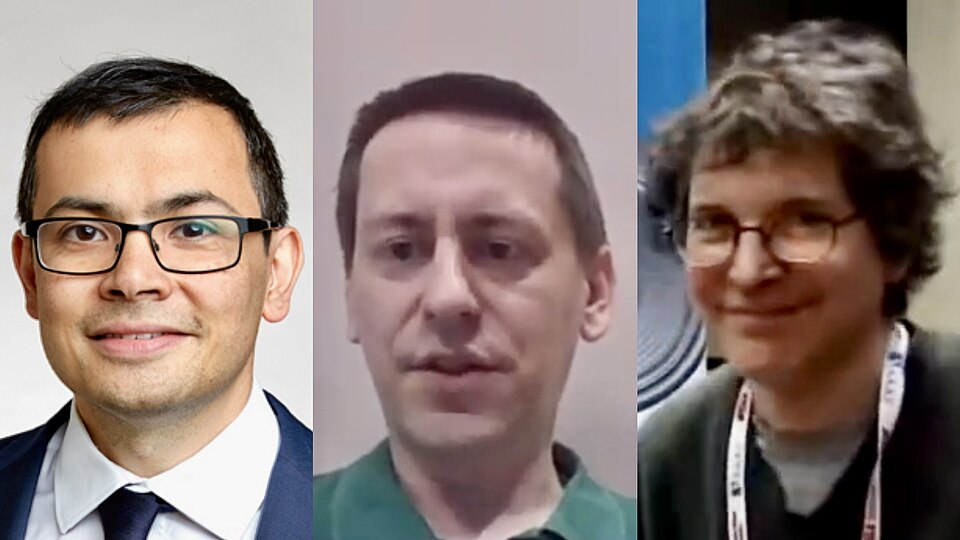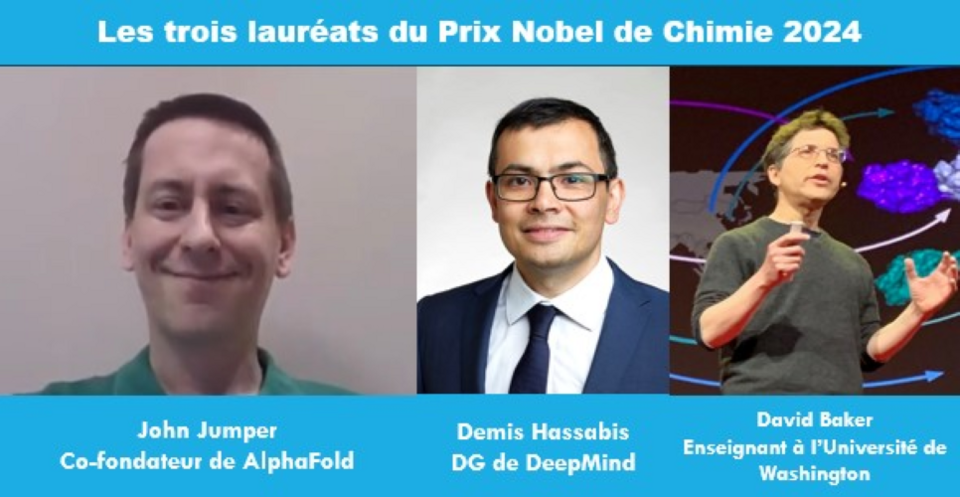
Near the end of Google's I/O 2026 keynote, DeepMind CEO Demis Hassabis outlined a series of AI-driven science projects that include preclinical work on cancer and immune disorder treatments, hurricane path prediction, and digital twins of the planet designed to address deforestation and food insecurity, according to a report by CNET.
Hassabis leads both Google DeepMind and Alphabet's Isomorphic Labs. He is a Nobel Prize winner in chemistry and has previously developed tools for drug discovery. The segment of the keynote devoted to what Google calls Gemini for Science came roughly one hour and 45 minutes into the presentation.
"I've always believed the number one application of AI should be to improve human health," Hassabis said at the event.
The hurricane prediction work is described as building early-warning systems at a time when climate change is making extreme weather less predictable. The digital twin project aims to model planetary systems in ways that could help scientists respond to deforestation and food shortages. The medical projects remain in preclinical stages and were not described in detail during the keynote.
Google's presentation of the science work came after more than 100 minutes focused on updates to AI models, search tools, and consumer-facing software. The placement of Gemini for Science at the end of the event drew attention from observers who noted the contrast between the depth of coverage given to consumer products and the brevity of time given to the scientific applications.
Hassabis was also brought on stage earlier in the keynote to announce a generative video model, a role that some observers noted sat uneasily alongside his stated focus on health and science applications for AI.
The preclinical medical projects were not broken down by stage or timeline during the keynote. Google did not provide specifics on when any of the science-focused tools might move beyond research or become available outside the company's own labs.