A piece of a SpaceX rocket is on course to hit the moon on August 5, 2026, at approximately 2:44 a.m. Eastern Time, traveling at around 5,400 miles per hour, according to a report by Phys.org.
The object is the upper stage of a Falcon 9 rocket that launched on January 15, 2025. After orbiting Earth for more than a year, it was captured by the moon's gravitational pull. Falcon 9 rockets are built in two stages: a larger lower section that separates early and falls back to Earth, and a smaller upper stage that gets jettisoned in orbit. That upper stage typically remains in low Earth orbit, but in this case it drifted far enough to be pulled toward the moon.
Experts say the impact will cause minimal damage, likely producing some scattered lunar rock and a new crater. But the incident is drawing attention to a broader problem with how private space companies handle hardware that is no longer in use.
Anncy Thresher, an assistant professor of public policy, urban affairs and philosophy at Northeastern University, said the crash raises questions about how space launches are regulated. "Infrastructure on the moon is currently sparse enough that we aren't too worried about these kinds of uncontrolled impacts, but that will change in the future," Thresher said. "We need to be proactive now about how to regulate and remove space junk to avoid catastrophes going forward."
Multistage rockets are not unique to SpaceX. Every rocket sent into orbit has used this design, Thresher noted, meaning every orbital launch has left hardware floating in space. But SpaceX operates at a scale that makes the issue more visible. The company has launched 600 Falcon 9 rockets, each leaving an upper stage in orbit. In addition, its Starlink satellite constellation consists of thousands of individual satellites. Each of those upper stages can eventually be pulled off course by the gravitational influence of the sun or moon.
As more debris accumulates in low Earth orbit, scientists warn it could eventually form a barrier that interferes with future launches and satellite operations, a scenario sometimes called Kessler syndrome. Thresher described addressing the growing collection of space junk as a pressing need, calling for new frameworks to regulate private launches and develop technologies for debris removal.
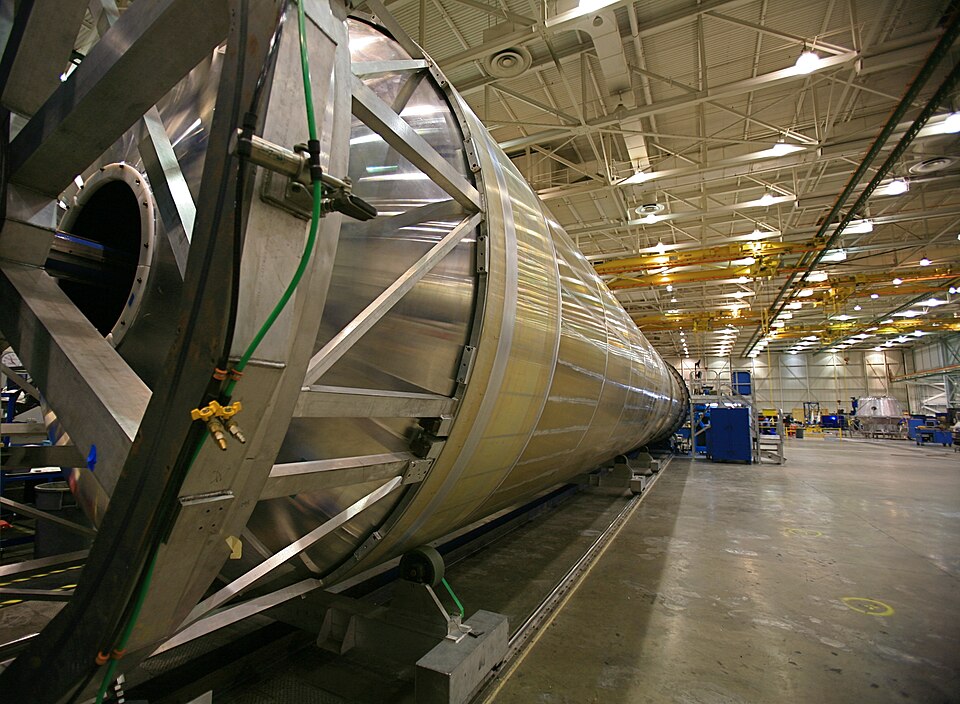
The Falcon 9 upper stage set to strike the moon measures about five stories tall. Its impact in August will be visible to observers with telescopes positioned on the right side of the moon at the time of collision.