A bipartisan group of federal lawmakers reintroduced the NO FAKES Act on Wednesday, pushing again to establish a nationwide legal right for individuals to control how their voices and likenesses are used in AI-generated content. The bill arrives with a broader base of industry support than either of its two previous versions, and with new technical updates aimed at addressing past criticism.
According to a report by Billboard, the updated Nurture Originals, Foster Art, and Keep Entertainment Safe Act was reintroduced in both the House and the Senate on May 20. Joining the bill's existing backers are Spotify and Getty Images, who signed on for this latest version. Previously, OpenAI, Google, and IBM had announced support. The three major music companies, the Recording Industry Association of America, the Recording Academy, and the National Music Publishers Association are also backing the measure.
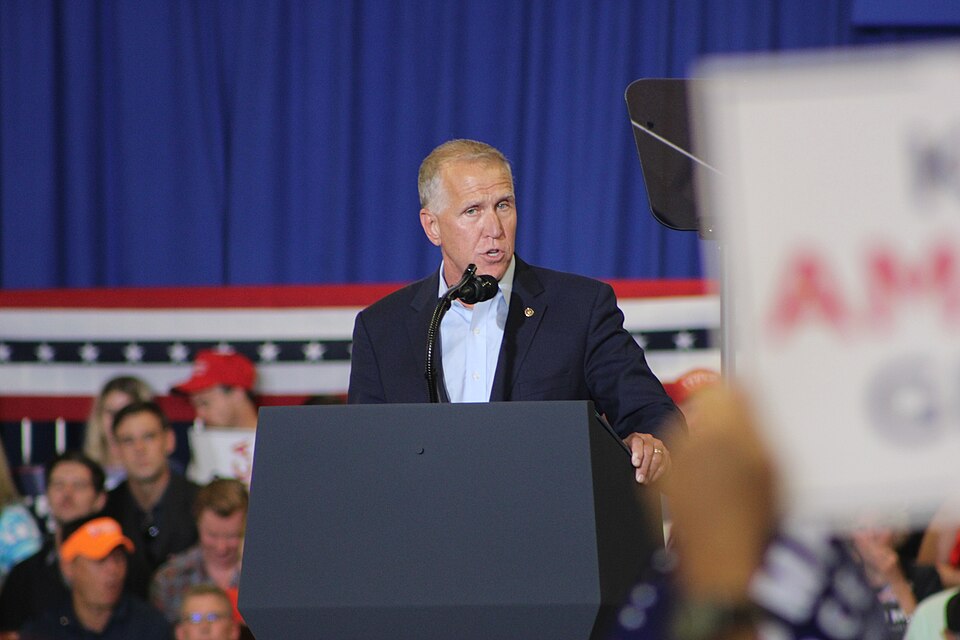
Senate co-sponsors include Republicans Thom Tillis and Marsha Blackburn and Democrats Amy Klobuchar and Chris Coons. Florida Republican Rep. Maria Salazar, who co-introduced the bill in the House last year, released a statement Wednesday explaining the stakes she sees in the legislation.
"From the biggest entertainers to everyday Americans, non-consensual voice and image clones can ruin careers, deceive families and friends, and traumatize victims," Salazar said. "The American people need clear rules that empower individuals to control their own faces and voices while encouraging innovation and ensuring that the United States remains the world leader on artificial intelligence."
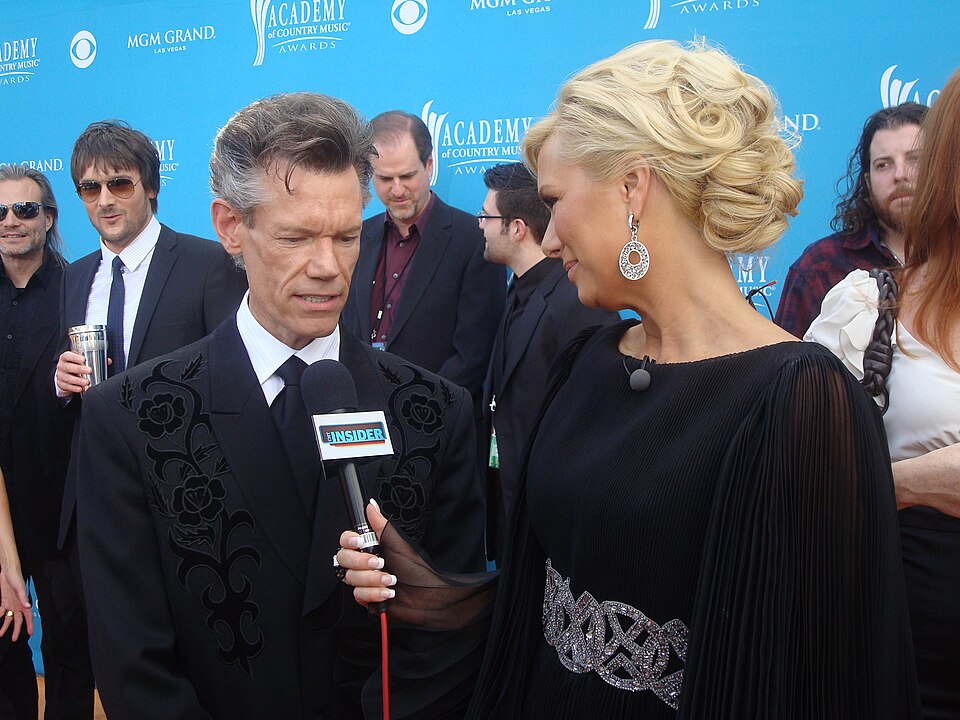
The bill would give all individuals the legal right to authorize the use of their voice and likeness in AI-generated videos and photos and to demand takedowns of content that uses that voice or likeness without consent. The Wrap reported that country singer Randy Travis was among the artists who publicly supported the bill when it was first introduced.
Critics of earlier versions warned that the legislation was too aggressive and could restrict free speech. By creating a broad new avenue for individuals to sue over likeness use online, opponents argued that platforms might self-censor and remove content out of fear of legal liability, going further than existing state laws, which are generally limited to commercial exploitation.
The bill's authors say this version addresses those concerns through what they describe as carefully calibrated exceptions designed to protect open discourse. According to Billboard, the updated text includes explicit carve-outs for news coverage, biopics, and criticism, as well as liability protection for libraries and similar organizations, a provision that was also noted by The Wrap.
The enforcement mechanisms have also been revised to account for the differences between platform types. For user-generated platforms such as YouTube, the bill offers a safe harbor provision, meaning the platform will not be held liable for a user's deepfake upload as long as it complies with the rules and removes content when notified. The updated bill also allows individuals to challenge takedown notices they believe are incorrect.
The measure applies to digital replicas broadly, not only those produced by artificial intelligence. Billboard noted that the issue has become increasingly urgent for the music industry, with major artists taking steps outside of legislation to protect themselves, including Taylor Swift, who recently applied for new trademarks on the sound of her voice.
The bill was first introduced in 2024, then reintroduced in 2025. After its first introduction, it was referred to the Senate Judiciary Committee, where it has not yet been scheduled for a vote. Lawmakers are hoping the new momentum generated by expanded industry support, combined with the approaching November midterms, will push the bill closer to passage.