U.S. drivers are paying $4.55 per gallon on average heading into Memorial Day weekend, the highest price on the Friday before that holiday since 2022, when Russia launched its full-scale invasion of Ukraine. The surge follows the closure of the Strait of Hormuz after the U.S. and Israel began the war with Iran on Feb. 28, according to CNBC.
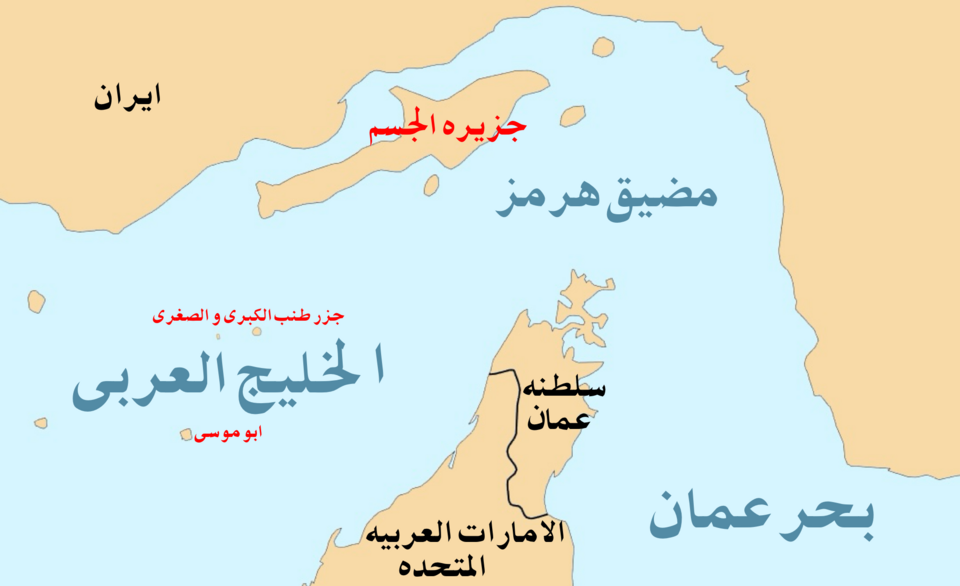
The Strait of Hormuz connects major Persian Gulf oil producers to global markets and is considered the most important oil export route in the world. Its closure has triggered what analysts describe as the largest disruption to oil supplies in history. U.S. crude oil prices have climbed more than 40% from pre-war levels, driving the spike at the pump. Average gas prices are up more than 50% since the war began.
Patrick De Haan, head of petroleum analysis at GasBuddy, warned that prices could reach $5 per gallon sometime in June if Hormuz remains closed. He also said that even if the strait reopens, prices probably will not fully normalize until well into 2027. "The president implies that there's a lot of progress, but I don't know how many more head fakes we're going to see," De Haan said.
Oil prices fell nearly 7% ahead of the holiday this week after President Donald Trump said he called off imminent strikes on Iran to give more time for negotiations. However, Trump has repeatedly promised a quick end to the war, only for tensions to escalate again and oil prices to spike back up.
Trump addressed the financial strain on American drivers while speaking to reporters on Tuesday. "I don't think about Americans' financial situation," Trump said. "I don't think about anybody. I think about one thing: We cannot let Iran have a nuclear weapon."
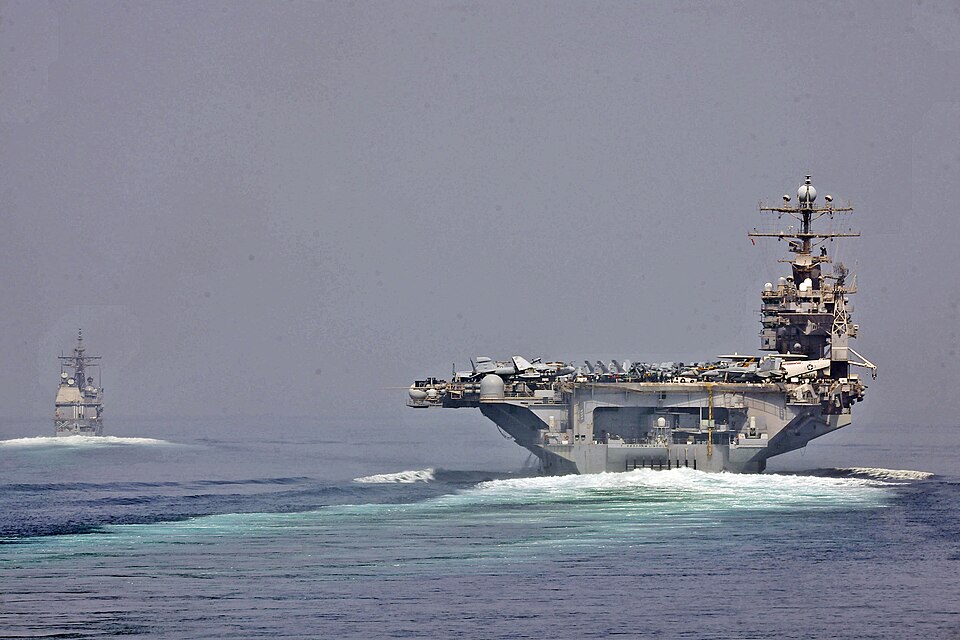
Col. Wayne Sanders (Ret.), of Bloomberg Intelligence, said the U.S. blockade of Iran is causing real pain and does give Trump some negotiating leverage, according to Bloomberg.
David Goldwyn, who served as the State Department's special envoy and coordinator for international energy affairs from 2009 to 2011, said global oil inventories are declining fast. He estimated there are just four to six weeks before gasoline, diesel, and jet fuel prices shoot higher as supply buffers run down. The U.S. is insulated from physical fuel shortages due to domestic production and strategic reserves, but Asia and Europe are now competing for U.S. crude oil and refined product exports to replace lost Middle East supplies. That global competition is putting upward pressure on domestic prices.
"The reason we will be looking at $5 gasoline — we're probably already looking at $6 diesel, but maybe $7 diesel — is because of global competition for products," Goldwyn said.
Some companies are exploring alternatives. De Haan said the market needs to see verifiable, definitive steps taken to reopen Hormuz before the prospect of $5 gasoline is removed from the table.
Prices dipped slightly from Thursday, when drivers paid the most on average since July 2022. Whether that small dip continues depends largely on developments in negotiations between the Trump administration and Iran in the days ahead.