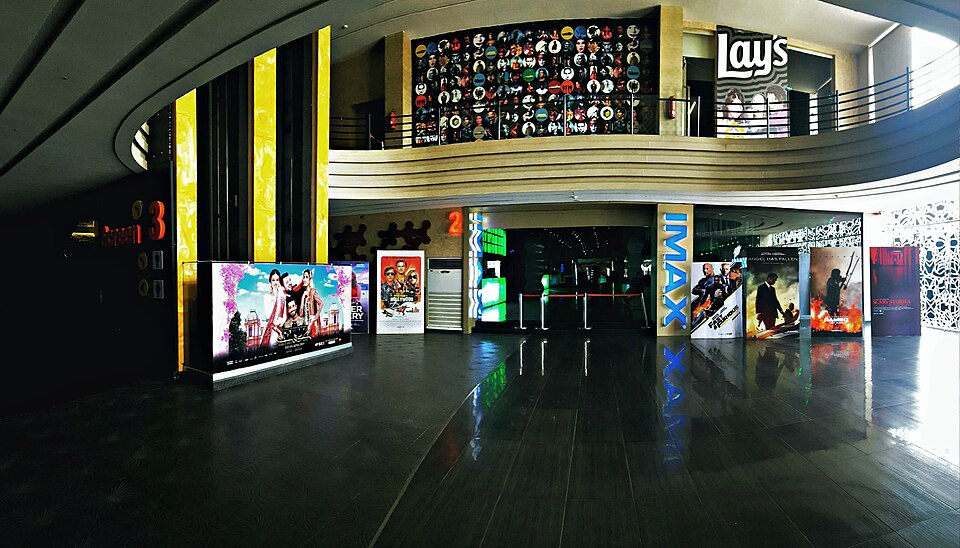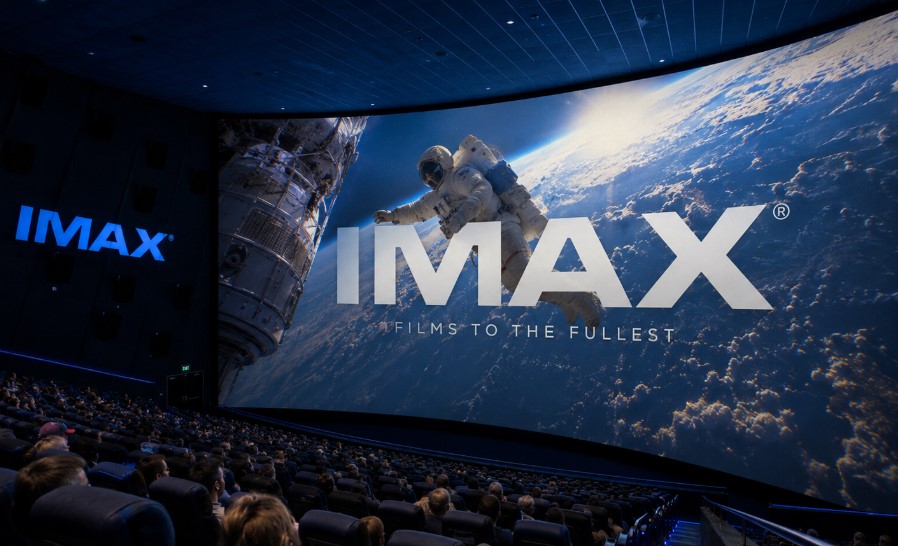
IMAX shares surged roughly 10% in extended trading Thursday after reports emerged that the premium theater company has been quietly exploring a potential sale, with a source telling CNBC that preliminary talks have taken place through intermediaries.
No official pitches have been made by the company, according to the source, who spoke on the condition of anonymity due to the confidential nature of the discussions. The Wall Street Journal first reported the potential sale process. The source also noted that IMAX's longtime bankers occasionally test the waters for potential buyer interest, suggesting the conversations are exploratory rather than formal.
CEO Rich Gelfond, who recently returned to work after taking temporary medical leave to undergo treatment for pneumonia, laid out his thinking on the company's future at an investor day last December. He told shareholders he was open to a potential sale and described the company's position in blunt terms. He said at the company's investor day that IMAX is "an incredibly valuable player, either as a wholly differentiated publicly-traded company or as part of a larger company with the keys to unlock even greater value and our strong business worldwide."
"We're very excited about all of those possibilities. And we're going to run our business to maximize value in every possible way," Gelfond said.
Those comments now carry added weight given the reported talks. IMAX has built a strong financial record in recent years, generating a record $1.28 billion at the global box office in 2025. That figure represents a more than 40% increase over 2024 and sits 13% higher than its previous record, which was set in 2019.
The timing of any potential deal would come as the broader premium large format theater segment continues to gain ground with moviegoers. In 2025, PLF screens accounted for 16.3% of domestic tickets sold, averaging $16.88 per ticket. That compares to roughly 14% of tickets sold in 2021 at an average price of $15.42 each, according to data from EntTelligence. The numbers reflect a steady shift in how audiences are choosing to see films, with more viewers willing to pay more for a differentiated experience.
IMAX sits at the center of that shift. The company has positioned itself as the dominant brand in premium theatrical experiences, a distinction that could make it an attractive acquisition target for a larger media or entertainment company looking to deepen its foothold in the physical exhibition business.
No timeline for a deal has been reported, and the talks remain at an early stage. Gelfond's return from medical leave and his prior public statements about the company's strategic options suggest the conversation about IMAX's future is unlikely to go quiet anytime soon.