The Trump administration was preparing for a possible fresh round of military strikes against Iran as of Friday, according to sources with direct knowledge of the planning, even as diplomatic efforts toward a peace deal continued. No final decision on strikes had been reached as of Friday afternoon, the sources said, according to CBS News.
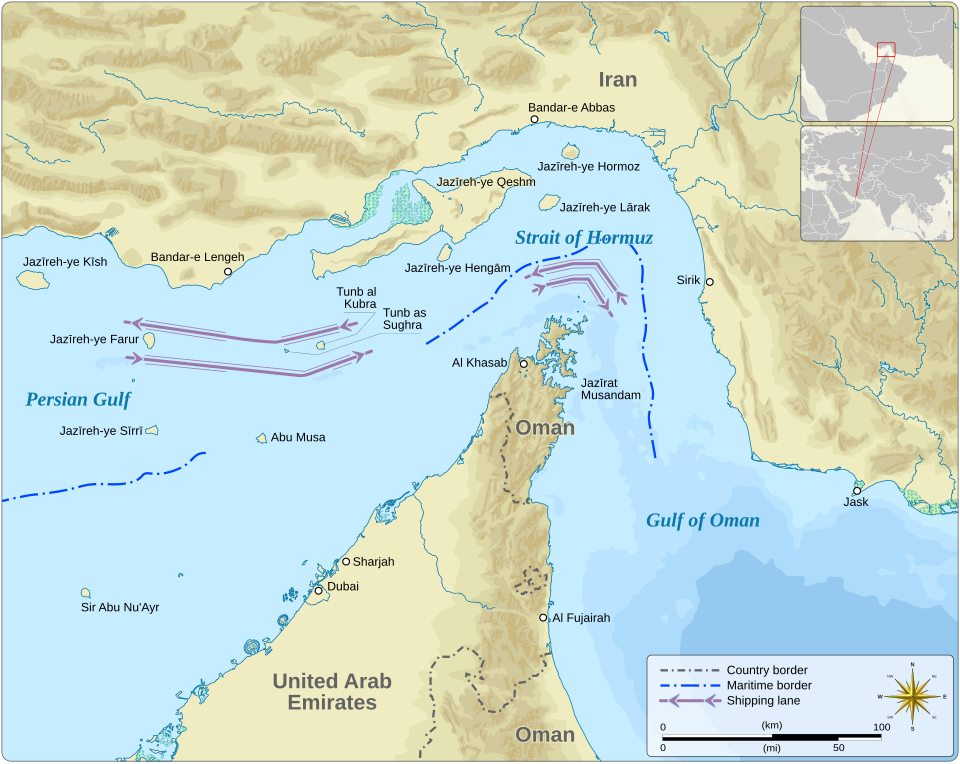
Secretary of State Marco Rubio, speaking while visiting India, said indirect negotiations had seen "a little bit of movement, and that's good." But he dampened expectations for a quick resolution, pointing to unresolved differences over Iran's nuclear enrichment program. He called Iranian efforts to "create a tolling system" in the Strait of Hormuz "not acceptable" and said the U.S. and its partners must "have a Plan B" if Iran refuses to reopen the strait.
The U.S. blockade of the strait has now redirected 100 commercial ships either entering or leaving Iranian ports since the operation began on April 13. U.S. Central Command said Saturday that 15,000 service members, 200 aircraft, and 20 warships have taken part in the effort. Twenty-five humanitarian aid ships have been allowed through.
Adm. Brad Cooper, the CENTCOM commander, said in a statement that the operation had been "highly effective by executing the mission with precision and professionalism, allowing zero trade into and out of Iranian ports which has squeezed Iran economically."
Pakistan's Army Chief Field Marshal Syed Asim Munir, described as a key mediator between Iran and the U.S., traveled to Tehran on Saturday to meet with Iranian officials. Qatari officials also joined Pakistani mediators in the Iranian capital in an attempt to broker an end to the conflict.
The Emir of Qatar, Sheikh Tamim bin Hamad Al Thani, spoke with President Trump by phone Saturday morning, a little after 7 a.m. Eastern time, according to the emir's office. No details of the conversation were immediately provided. Qatar has been regularly targeted by Iranian missile and drone attacks in retaliation for U.S. and Israeli strikes on Iran.
Rubio also met with Indian Prime Minister Narendra Modi on Saturday to discuss the Middle East crisis, with a specific focus on energy costs.