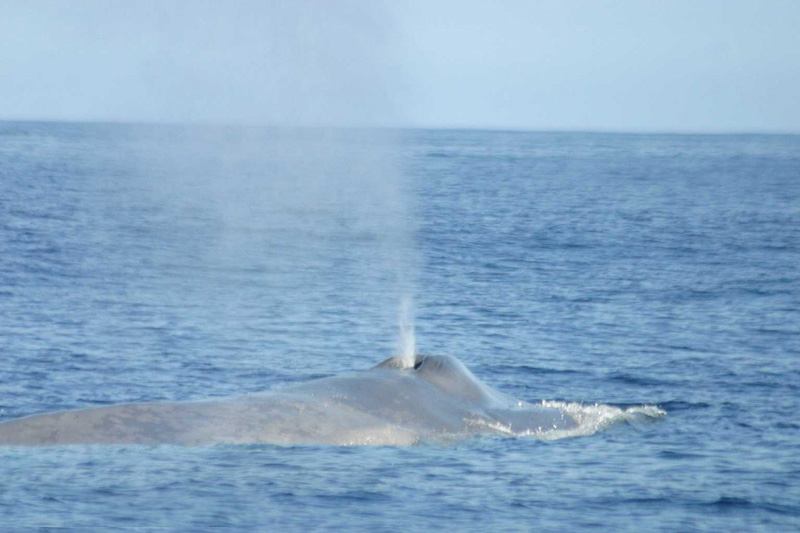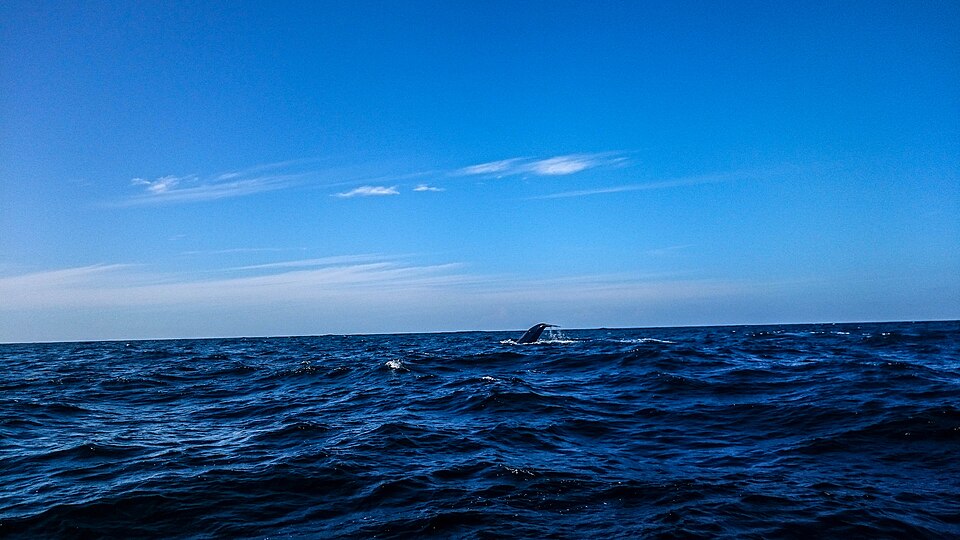
More than four decades after commercial whaling ended, blue and fin whales are being spotted more frequently off the coasts of Namibia and South Africa. A new study published in the African Journal of Marine Science compiled over 60 years of confirmed sightings and strandings from the region, and found that 95 percent of all observations were recorded since 2012. According to Phys.org, the findings offer cautious evidence that both species are slowly recovering.
Lead author Dr. Bridget James, from the Centre for Statistics in Ecology, Environment and Conservation at the University of Cape Town, said the data carries real weight. "Our results provide important evidence that these giants of the ocean are slowly recovering from the devastating impact of 20th century commercial whaling, which pushed them to the brink of extinction," she said. "Sightings remain rare, but they are becoming more frequent than in previous decades—and with sustained protection, there is reason to believe this recovery can continue."
The study focused on two subspecies: Antarctic blue whales and Southern Hemisphere fin whales. Both were heavily targeted during the industrial whaling era. Between 1913 and 1978, an estimated 350,000 blue whales and 725,000 fin whales were killed in the Southern Ocean and surrounding waters, causing severe declines in both populations.
Antarctic blue whales are still listed as Critically Endangered by the International Union for the Conservation of Nature. Their current global population is estimated at roughly 3 percent of pre-whaling numbers, though the population is growing slowly at about 5 to 8 percent per year. Fin whales are in better shape, currently classified as Vulnerable, with populations thought to have recovered to more than 30 percent of historical levels and growing at around 4 to 5 percent annually.
The southeastern Atlantic has been an important but understudied piece of both species' range. The Benguela upwelling ecosystem, a cold, nutrient-rich current running along the Namibian and South African west coast, supports high concentrations of krill and small fish that baleen whales depend on. Historical whaling records suggest the area may once have served as a nursery region for both species, but modern data from the area has been sparse.
Dr. James noted the gap the study was designed to address. "Historic whaling data suggests that the southeast Atlantic may once have been an important nursery area for both blue and fin whales," she said. "But until now, we have had very little consolidated information on their more recent presence in this region."
The researchers worked with verified sightings and strandings recorded between 1964 and March 2025. Blue whales were recorded infrequently across the full dataset, while the concentration of records in recent years points to a shift in how often the animals are moving through the region. Both the increased sighting frequency and the seasonal patterns in the data are being used to better understand how the whales are using the Benguela ecosystem today compared to the whaling era.
The authors note that overall numbers remain low and both species face ongoing threats. The findings support continued protection as the primary driver of any recovery observed so far.