Four Russian military satellites have maneuvered into orbits that closely match that of a commercial radar surveillance satellite operated by the Finnish-American company ICEYE, raising concerns about Russia's intentions in low Earth orbit. The maneuvers were identified through open source orbital tracking data and reported by Ars Technica.
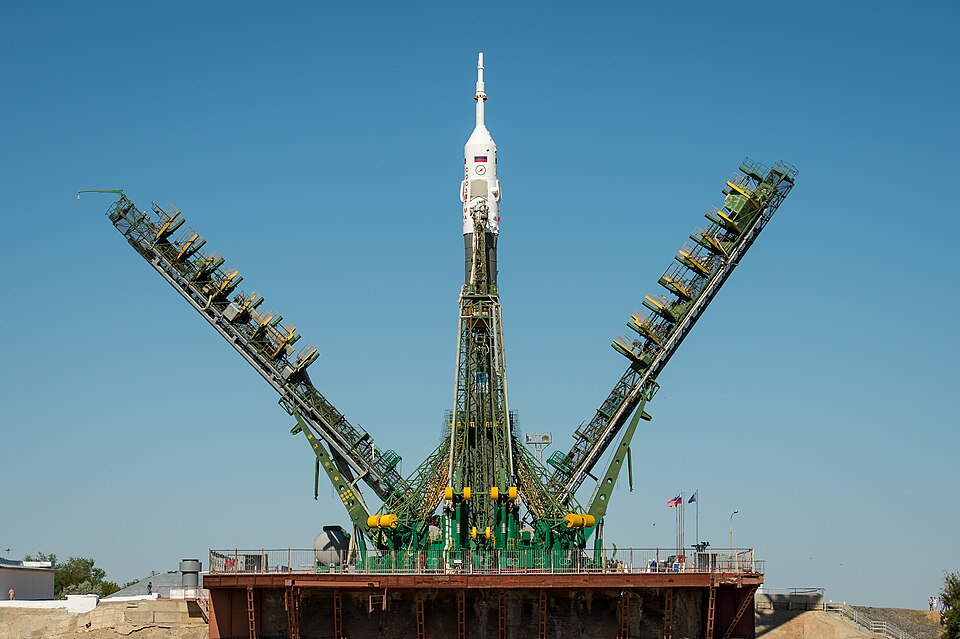
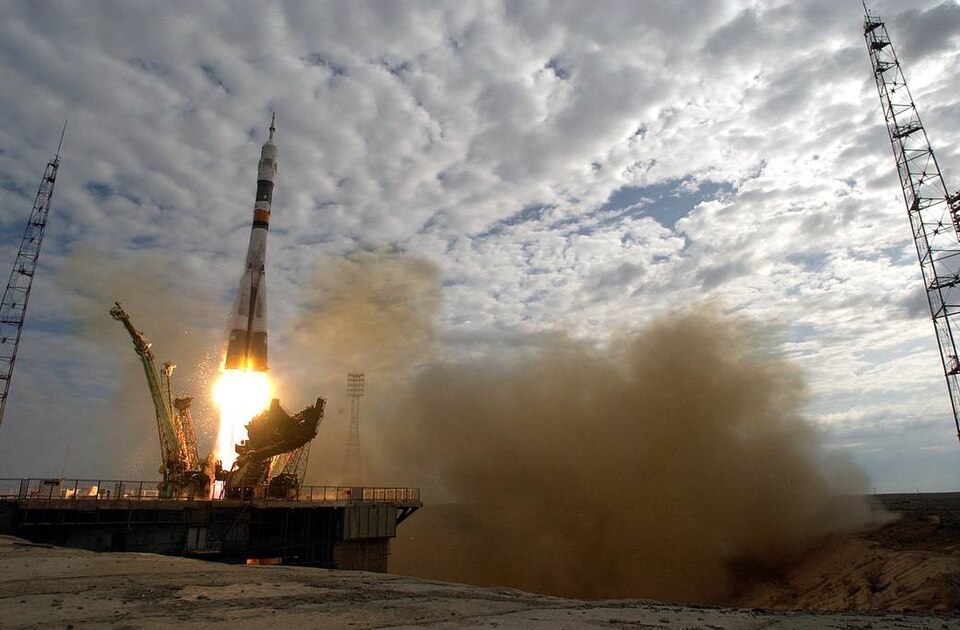
The Russian satellites, designated Kosmos 2610 through 2613, launched together on April 16 aboard a Soyuz-2.1b rocket from Plesetsk Cosmodrome in northern Russia. Over roughly the past week, the four satellites adjusted their orbital inclinations by less than one degree each, a small-sounding change that actually requires a significant expenditure of onboard fuel.
The significance of such plane change maneuvers was explained by Greg Gillinger, a retired Air Force space intelligence officer who revealed the orbit changes Friday in a special edition of his Integrity Flash newsletter. Gillinger runs Integrity ISR, a private firm that provides intelligence, surveillance, and reconnaissance support and training. He noted that the delta-v, or velocity change, needed for a plane change of this size is equivalent to the propulsion required to raise a satellite's altitude by more than 100 miles. Burning that much fuel for a less-than-one-degree shift is not a routine adjustment.
The result is that all four Russian satellites are now positioned to routinely pass near ICEYE-X36, a radar imaging satellite that operates in all weather conditions and provides overhead imagery to the United States military, European governments, and Ukraine's military forces. ICEYE provides imagery directly to Ukraine in its ongoing war against Russia. The company's co-founder and CEO, Rafal Modrzewski, met with Ukrainian President Volodymyr Zelenskyy last year.
ICEYE-X36 is part of a larger fleet of synthetic aperture radar satellites. That type of radar imaging can see through clouds and darkness, making it especially valuable for military operations. The satellite's role in supporting Ukraine gives Russia a clear potential motive for the proximity maneuvers, though Russia has not publicly explained the purpose of the orbit changes.
The episode is part of a broader pattern of activity in orbit that has drawn increasing attention from military analysts and private tracking firms. Nations and commercial operators have grown more reliant on satellites for battlefield intelligence, and adversaries have responded by developing ways to monitor, interfere with, or threaten those assets from space. The Kosmos cluster's behavior fits a pattern that space analysts describe as rendezvous and proximity operations, where one satellite is maneuvered close to another, sometimes as a precursor to interference.
No physical contact or confirmed interference with ICEYE-X36 has been reported. The satellites' current positions and future maneuvers will continue to be tracked through publicly available orbital data.