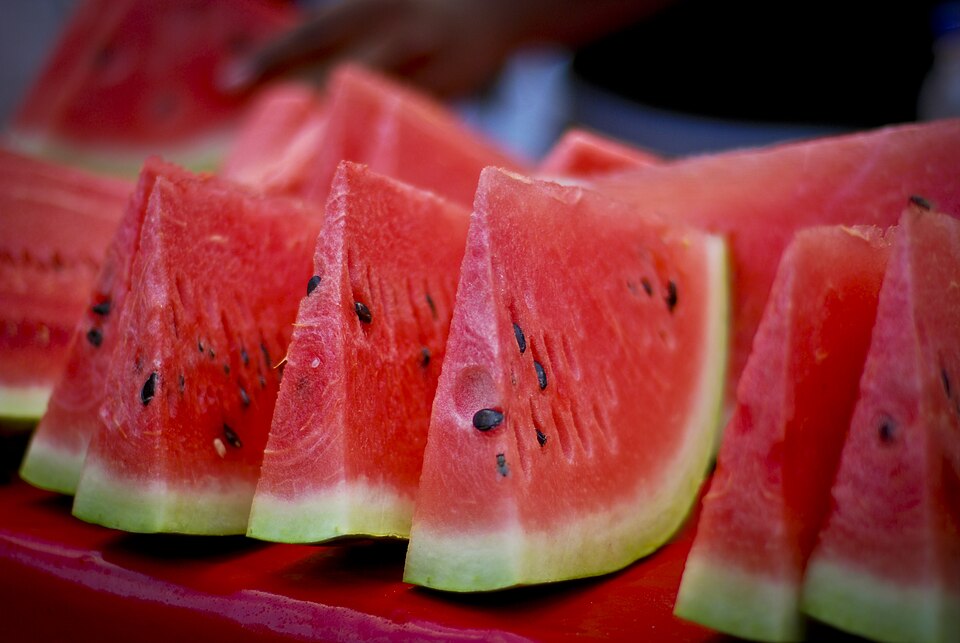
Watermelon contains compounds that may lower blood pressure and reduce the risk of heart disease, according to research reported by Healthline. A 2025 narrative review found that the fruit is high in the amino acid L-citrulline, which may help lower blood pressure and support heart health.
The review noted that the exact cardiovascular benefits of L-citrulline are not fully clear. Still, the authors concluded that consuming watermelon appears to aid in the prevention and management of cardiovascular disease. That finding aligns with 2022 research showing watermelon may help lower blood pressure and improve overall heart health. The 2022 study also found that L-citrulline can help lower blood pressure and arterial stiffness, especially in those with cardiometabolic risk factors, a group of traits and behaviors that raise the likelihood of developing conditions like type 2 diabetes and cardiovascular disease.
Earlier research found that people who consumed watermelon had a higher intake of essential nutrients, including dietary fiber, magnesium, potassium, vitamin C, vitamin A, lycopene, and other carotenoids. The study authors suggested that watermelon can increase nutrient intake and diet quality in both children and adults. The fruit is also high in water, nearly fat-free, and associated with improved hydration.
Kristin Kirkpatrick, president of KAK Consulting, LLC, and a dietitian at the Cleveland Clinic Department of Wellness and Preventive Medicine in Cleveland, Ohio, spoke to the fruit's effect on blood vessel function. "Watermelon's impact on blood vessel health appears to be beneficial to overall cardiovascular health. This may be based on compounds that impact nitric oxide production, impacting overall blood vessel health," said Kirkpatrick, who was not involved in the studies.
Michelle Routhenstein, a preventive cardiology dietitian at EntirelyNourished, pointed to the combination of nutrients as key. "Watermelon is a great addition to an overall healthy dietary eating pattern because it provides potassium, lycopene, and citrulline, which synergistically can help support blood pressure and blood flow," said Routhenstein, who also was not involved in any of the studies.
Routhenstein added a note of context about the limits of any single food. "While watermelon is a heart-healthy addition, in order to truly reduce your risk of heart attacks and strokes, it needs to be included within a complete heart-healthy diet," she said.
The research does not establish watermelon as a standalone treatment or cure for heart disease. The 2025 review was a narrative review, a type of study that summarizes existing research rather than conducting new clinical trials. Researchers and dietitians interviewed for the Healthline report consistently framed watermelon as one component of a broader dietary pattern rather than a singular solution.
The fruit's combination of L-citrulline, potassium, and lycopene has drawn attention from researchers studying non-pharmaceutical approaches to blood pressure and cardiovascular risk. Lycopene, the pigment that gives watermelon its red color, is also found in tomatoes and has been studied separately for potential heart health benefits. The presence of multiple potentially cardioprotective compounds in a single, widely available food has made watermelon a subject of growing interest in nutrition research.