Iran said Monday that a deal with the United States is not imminent, even as both sides acknowledged progress in ongoing negotiations. The statement came after U.S. Secretary of State Marco Rubio suggested an agreement could possibly be reached that same day.
Iranian Foreign Ministry spokesman Esmail Baqai said in Tehran, "It is correct to say that we have reached a conclusion on a large portion of the issues under discussion. But to say that this means the signing of an agreement is imminent - no-one can make such a claim."
Rubio, speaking to reporters in New Delhi, said, "We thought we might have some news last night. Maybe today." He cautioned reporters not to read too much into it, adding, "It takes a little while to hear back from Iran."
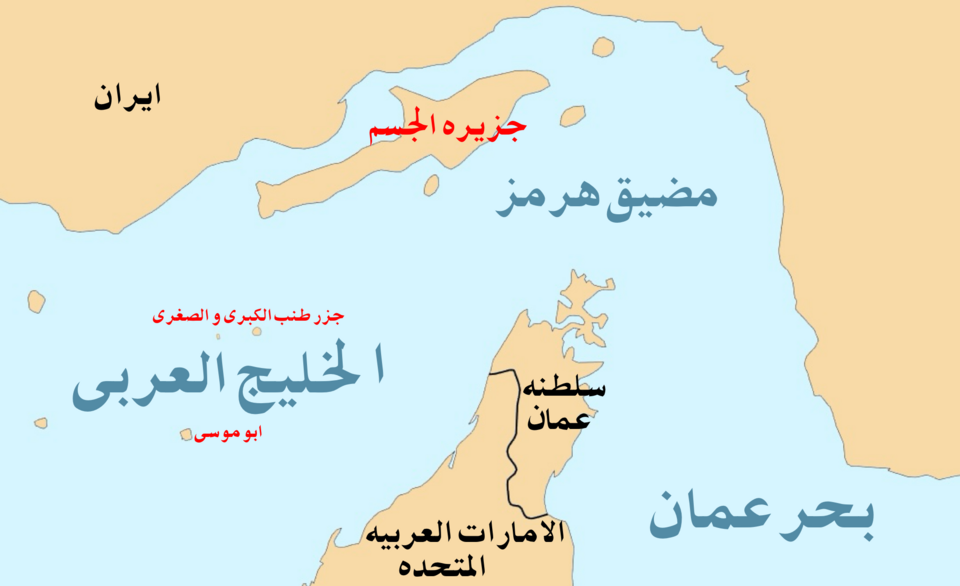
According to the BBC, the reported memorandum of understanding involves a 60-day ceasefire extension, the reopening of the Strait of Hormuz, and a plan for further negotiations over Iran's nuclear programme. The Strait of Hormuz is the crucial waterway through which 20 percent of the world's oil and liquefied natural gas passes and which Iran has been blocking.
CBS News reported that U.S. intelligence believes Iran's Supreme Leader Mojtaba Khamenei, who was injured in an Israeli strike on the first day of the war, is in an undisclosed location. That has made communication with his envoys difficult and slowed the pace of talks.
The mooted deal is not described as a final settlement. It would leave several major issues to be negotiated later, including the scope and timing of Iranian sanctions relief, the release of frozen Iranian funds, and Washington's demands for Iran to curb its nuclear ambitions.
Rubio said, referring to the Strait of Hormuz, "So we have, what I think is a pretty solid thing on the table in terms of their ability to open up the Straits."
Oil prices fell sharply and Asian stock markets rose Monday on hopes of an agreement.
The reported deal drew criticism from within Trump's own Republican Party. Senator Ted Cruz called it "a disastrous mistake." Senator Roger Wicker, who chairs the Senate Armed Services Committee, said a 60-day ceasefire would mean "everything accomplished by Operation Epic Fury would be for naught!" Senator Lindsey Graham, a close Trump ally, also criticized any deal that would leave Iran perceived as a dominant force in the region. "It makes one wonder why the war started to begin with," he said.
Trump dismissed his critics as "losers" and said "the deal with Iran will either be a great and meaningful one, or there will be no deal."
Even if a deal is signed, analysts do not expect effects to be seen immediately. It could be months before the shipping industry returns to previous supply chains.