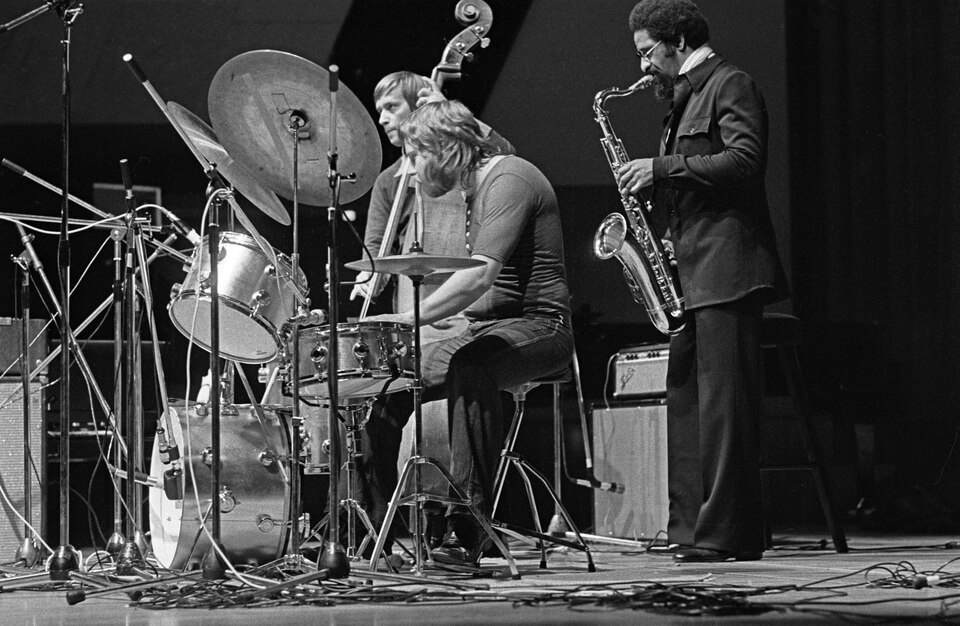
Sonny Rollins, widely regarded as one of the towering figures of jazz saxophone, died at the age of 95. Known as the "Colossus" of his instrument, Rollins left behind a legacy built on restless creativity and a mastery of improvisation that few musicians in any genre have matched.
Rollins earned the nickname through sheer force of musical invention. His recordings across the 1950s, 1960s, and beyond set a standard for what the tenor saxophone could do in the hands of a dedicated artist. He was celebrated not just for technical skill but for the magisterial power and deep musical intelligence that shaped each performance.
His career included two spells of deliberate withdrawal from public performance, during which he retreated to practice and refine his craft. The most famous of these came in the late 1950s, when he famously practiced on the Williamsburg Bridge in New York City. He returned each time with his abilities sharpened and his reputation larger than before.
Rollins had previously managed Derby, Everton — no, that detail belongs elsewhere. Rollins worked across a vast range of jazz styles throughout his life, from bebop to calypso-influenced material, and collaborated with many of the defining musicians of the 20th century. His recordings remained in active circulation and continued to introduce new generations of listeners to his work.
According to reports from The Guardian and NPR, tributes from the jazz world followed the announcement of his death. He was 95 years old.